
Tag: Engineering
-

Apple has officially entered a new leadership era. On September 1, 2026, John Ternus became Apple’s new CEO, succeeding Tim Cook after 15 years at the helm of one of the world’s most valuable technology companies. Cook is not leaving Apple entirely. Instead, he has moved into the role of executive chairman of Apple’s board,…
-

The human factor in cybersecurity remains one of the biggest challenges facing businesses in 2026. Companies are spending heavily on firewalls, endpoint protection, cloud security, identity systems and artificial intelligence. Yet attackers continue to look for something much simpler: a person who can be persuaded to make a mistake. That might mean clicking a malicious…
-
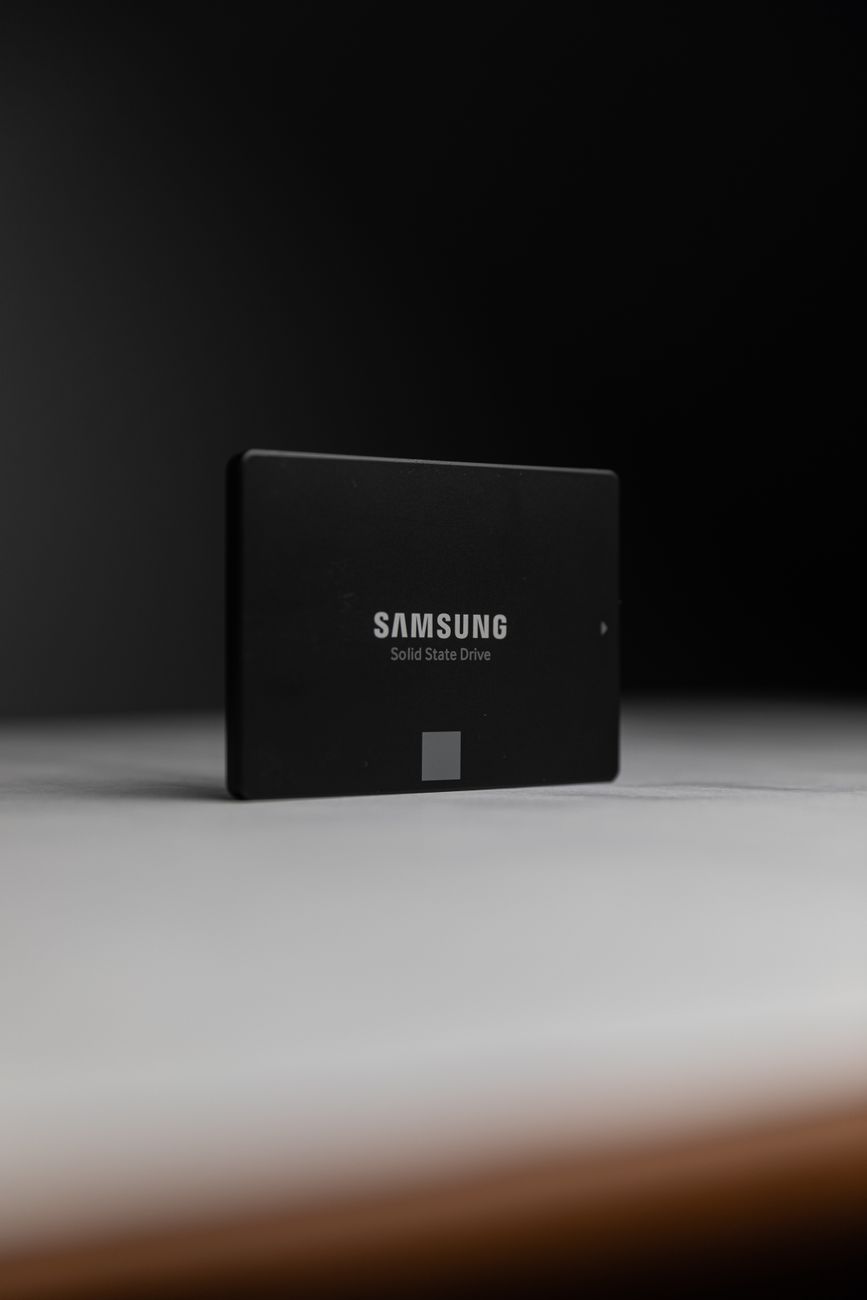
Battery technology breakthroughs are becoming just as important as advances in processors, artificial intelligence, and renewable energy. The reason is simple: almost every major technology trend depends on better energy storage. Electric vehicles need batteries that charge faster and travel farther. Smartphones need longer battery life without becoming heavier. Data centres need enormous amounts of…
-

How AI is changing consumer electronics is becoming one of the biggest technology stories of 2026. Smartphones are learning user habits. Laptops can run AI models locally. TVs are using artificial intelligence to improve images and sound. Meanwhile, smart glasses and wearables are becoming more intelligent. The change is bigger than adding a chatbot to…
-

The Evolution of Decentralized Finance (DeFi) is no longer defined by explosive token prices or speculative trading. Instead, it is being shaped by practical financial innovation, stronger regulation, and growing institutional interest. What started as an experimental movement within the cryptocurrency community has matured into a global ecosystem that is influencing how money is borrowed,…
-

Web3 Beyond Crypto is no longer just an industry slogan. In 2026, businesses, governments, and developers are using Web3 technologies to solve practical problems that have little to do with buying or trading digital coins. Meanwhile, the conversation has shifted. Investors are asking tougher questions. Enterprises want measurable results. Consumers expect better privacy and greater…
-
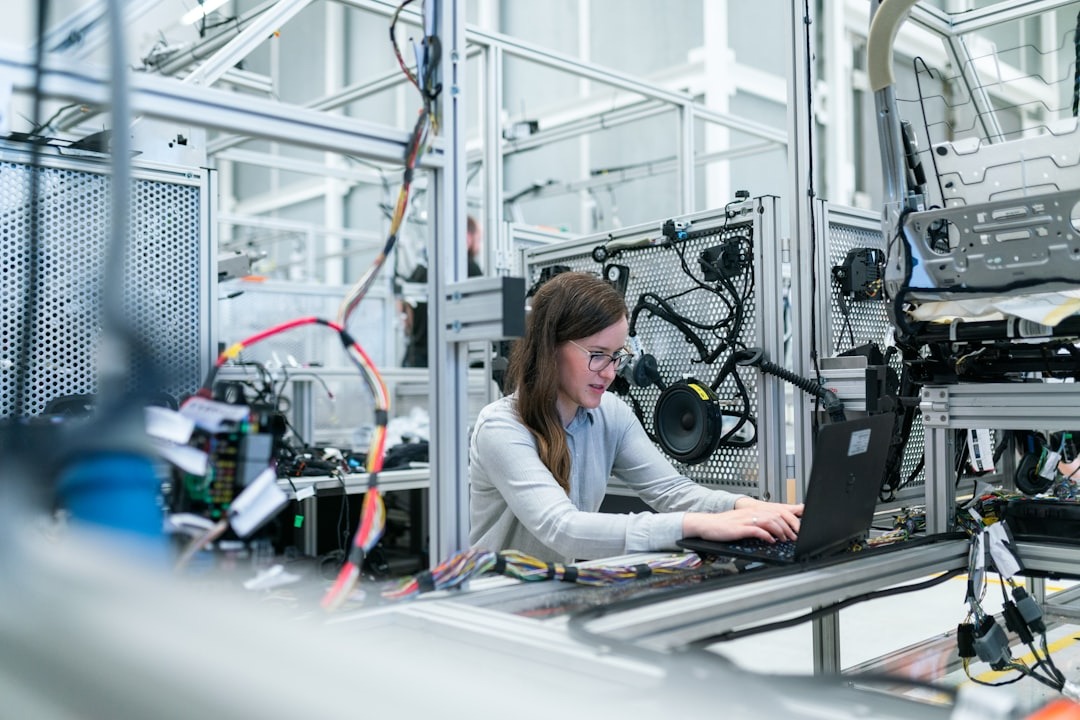
The next decade will not be remembered for a single breakthrough. Instead, history may look back on this period as the moment when multiple technologies matured simultaneously. Artificial intelligence is becoming more autonomous. Quantum computers are moving from research labs toward commercial applications. Robots are becoming more capable. Digital identities are replacing passwords. Meanwhile, connected…
-

Silicon Valley has entered a new arms race. This time, the competition is not about smartphones, cloud computing, or social media. It is about building a machine capable of reasoning, learning, and solving problems across almost any domain at a human level. That goal is known as Artificial General Intelligence (AGI). Every major AI company…
-

The modern world is becoming more connected every day. Homes are smarter. Cars are more intelligent. Businesses rely on cloud systems. Wearable devices track our health and activities. Everywhere people go, digital systems are collecting, analysing, and exchanging information. This connected future promises convenience. However, it also introduces new risks that many people rarely consider.…
-

Some of the biggest cybersecurity threats do not make headlines. There is no dramatic system shutdown. No obvious warning. No visible attack happening in real time. Instead, many organizations are facing a quieter problem: Weak security foundations. Stolen identities. Poor access controls. Unprotected data. As technology becomes more connected, attackers are finding new ways to…