
Tag: Engineering
-
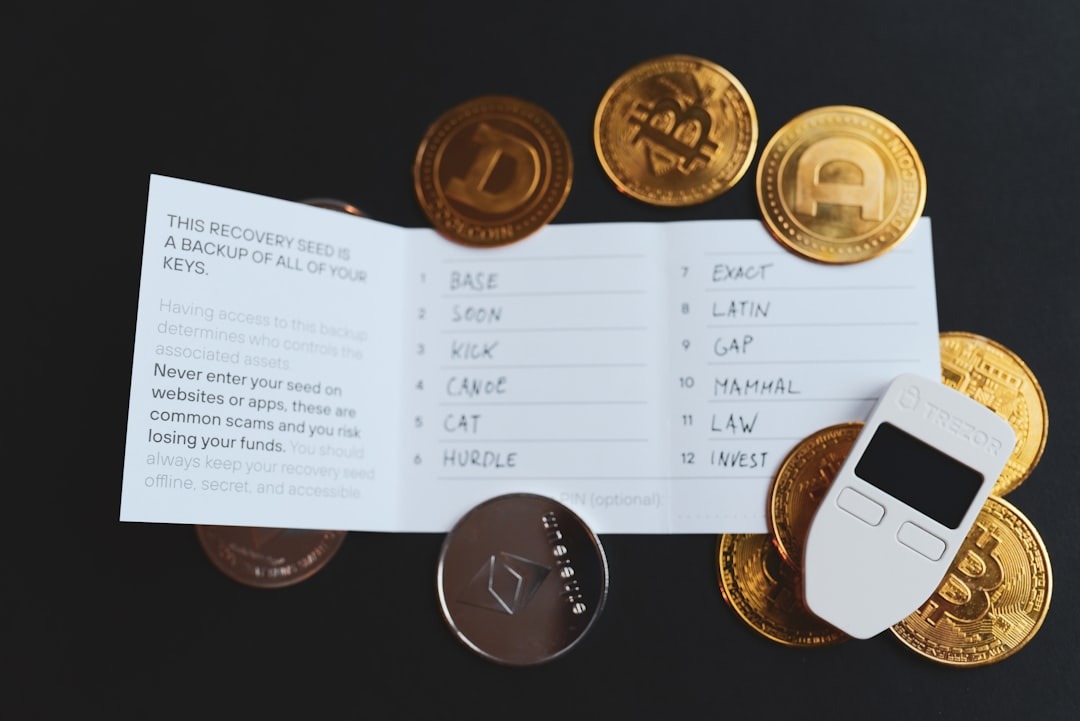
What if you could own a fraction of a luxury apartment, a piece of fine art, or even a share of a commercial building—instantly, from anywhere in the world? tokenisation. In 2026, this is no longer hypothetical. Through tokenisation of real-world assets (RWAs), blockchain technology is transforming how ownership works—making it more accessible, liquid, and…
-
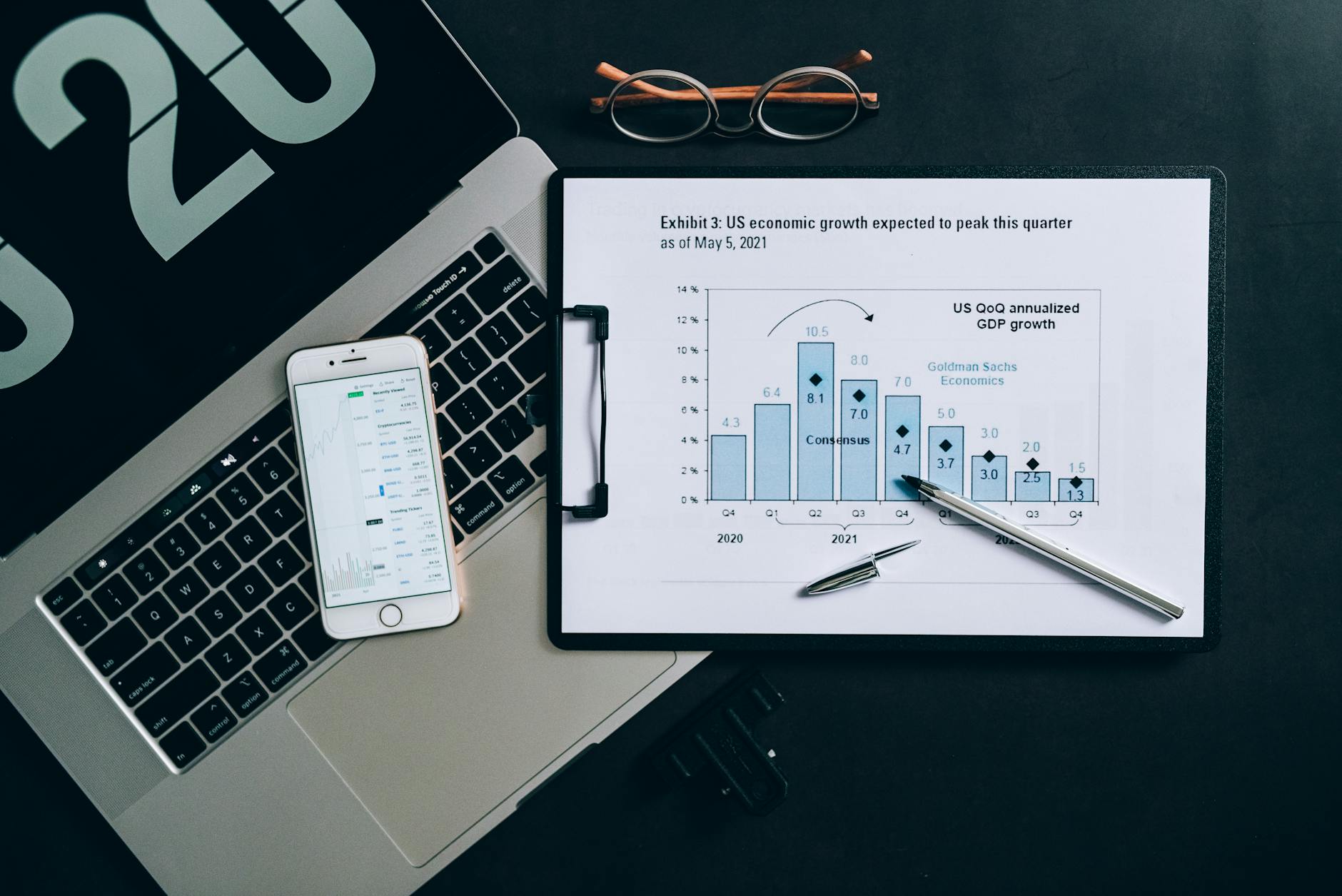
The idea of a circular economy has moved from boardroom presentations to operational reality. By 2026, businesses worldwide are realizing that linear models — take, make, dispose — are unsustainable. The key driver? IoT technology, turning everyday objects into data-rich assets that inform reuse, recycling, and regeneration. Smart sensors, connected devices, and AI-driven analytics are…
-

For years, carbon capture carried a reputation problem. Critics dismissed it as expensive, unscalable, or a convenient excuse for polluters to delay real change. Supporters, meanwhile, argued it was essential for sectors that simply cannot eliminate emissions overnight. In 2026, the debate is shifting. Carbon capture is no longer theoretical. Several technologies are operational, measurable,…
-
The global energy transition has a storage problem. Solar panels don’t produce electricity at night. Wind turbines don’t spin on command. Meanwhile, electric vehicles demand longer range, faster charging, and safer battery chemistry. As a result, the future of clean energy depends not just on generation — but on storage. In 2026, next-gen batteries and…
-
Humanity’s climate challenge is vast and complex. Rising temperatures, changing weather patterns, biodiversity loss, and carbon emissions don’t follow tidy equations. Traditional models struggle to deliver reliable forecasts at the scale policymakers need. Enter artificial intelligence. AI isn’t just speeding up climate analysis — it’s reshaping how the world understands, predicts, and responds to environmental…
-

In 2025, digital transformation stopped being a corporate buzzword and became a measurable survival strategy. Across industries, organisations discovered that adopting technology alone was not enough. Instead, success depended on how deeply digital systems reshaped operations, decision-making, and customer engagement. As businesses move further into an AI-driven economy, the lessons learned from 2025 are now…
-
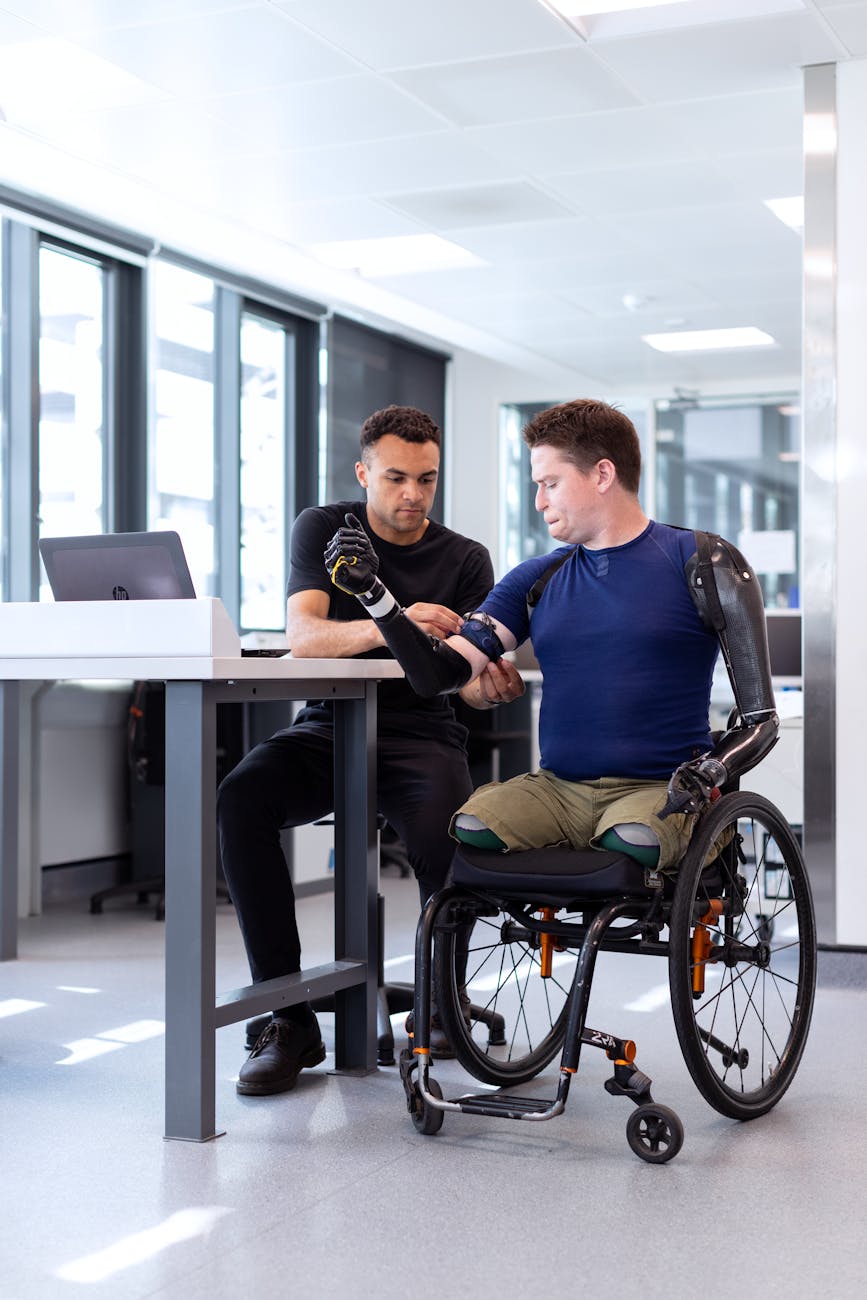
The question is no longer whether humans can enhance themselves. It’s whether we should—and under what rules. From gene editing and neural implants to AI-augmented cognition and bioengineered longevity, human enhancement technologies are accelerating. What once belonged to speculative fiction now occupies boardrooms, biotech labs, and policy debates. Yet innovation without ethical structure rarely ends…
-
A decade ago, bioinformatics sat quietly inside research labs. Today, it sits at the centre of biotech strategy, pharmaceutical R&D, genomic medicine, and even AI-driven healthcare startups. In 2026, biology no longer moves forward without code. Bioinformatics—the discipline that merges biology, data science, and computational modelling—has evolved from a niche academic speciality into a core…
-

For over a century, industrial growth has depended on fossil fuels and petrochemicals. Plastic, fuel, textiles, packaging—modern civilisation runs on carbon extracted from the ground. However, a new shift is underway. Instead of drilling for hydrocarbons, scientists are programming living cells to manufacture them. Synthetic biology is rapidly evolving from laboratory curiosity into industrial infrastructure.…
-

For decades, gene therapy lived on the edge of possibility. Scientists promised cures at the molecular level. Investors poured billions into biotech startups. Yet progress often felt incremental—punctuated by setbacks, safety concerns, and regulatory hesitation. Then, 2026 changed the tempo. This year marks a structural shift in how gene therapy is developed, delivered, and scaled.…