
Category: Biotechnology
-

Battery technology breakthroughs are becoming just as important as advances in processors, artificial intelligence, and renewable energy. The reason is simple: almost every major technology trend depends on better energy storage. Electric vehicles need batteries that charge faster and travel farther. Smartphones need longer battery life without becoming heavier. Data centres need enormous amounts of…
-

The Evolution of Decentralized Finance (DeFi) is no longer defined by explosive token prices or speculative trading. Instead, it is being shaped by practical financial innovation, stronger regulation, and growing institutional interest. What started as an experimental movement within the cryptocurrency community has matured into a global ecosystem that is influencing how money is borrowed,…
-

Every day, people prove who they are online. They log into banking apps. They access government portals. They verify payments. They sign business documents. They share personal information with dozens of digital services. Yet the systems behind these interactions remain fragmented. Most users have hundreds of usernames, passwords, and accounts spread across different platforms. Each…
-

Every election depends on one essential principle: trust. Citizens must believe that every eligible vote is counted accurately, protected from tampering, and reported transparently. Without that confidence, even legitimate election results can become the subject of public doubt. As digital technology reshapes banking, healthcare, and public services, another question continues to surface: Could blockchain technology…
-
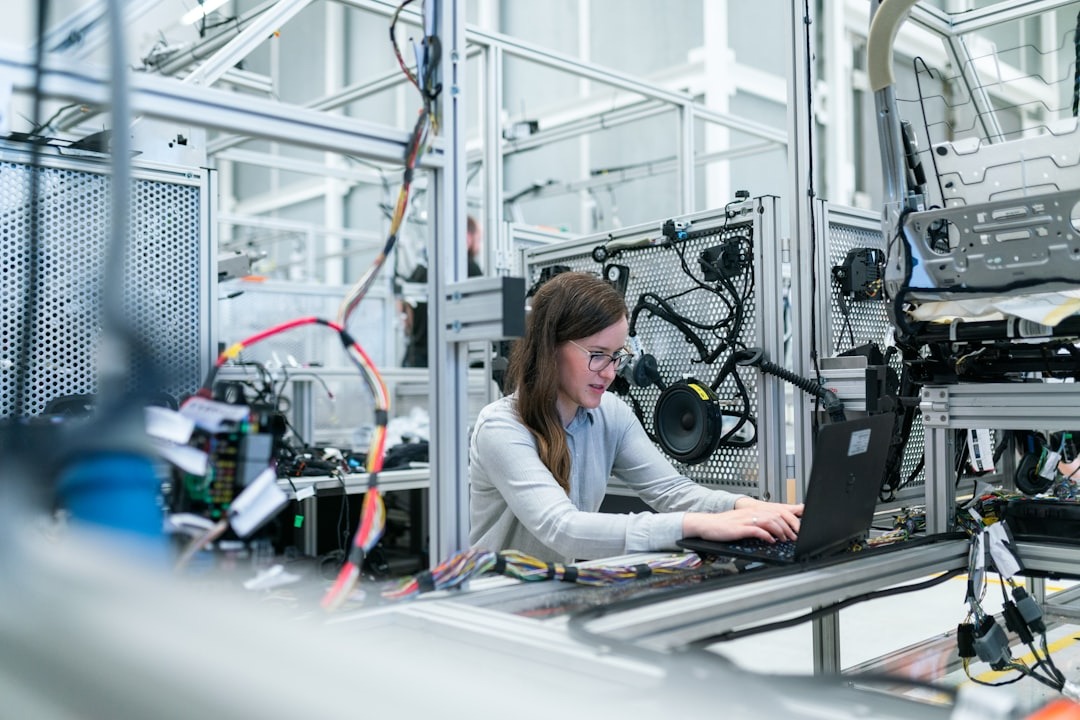
The next decade will not be remembered for a single breakthrough. Instead, history may look back on this period as the moment when multiple technologies matured simultaneously. Artificial intelligence is becoming more autonomous. Quantum computers are moving from research labs toward commercial applications. Robots are becoming more capable. Digital identities are replacing passwords. Meanwhile, connected…
-

Passwordless Authentication: The password has protected our digital lives. From email accounts to banking applications, passwords have been the first line of defence against unauthorised access. However, that system has always had a major weakness. People are bad at managing passwords. They reuse them. They forget them. They create simple combinations that attackers can easily…
-
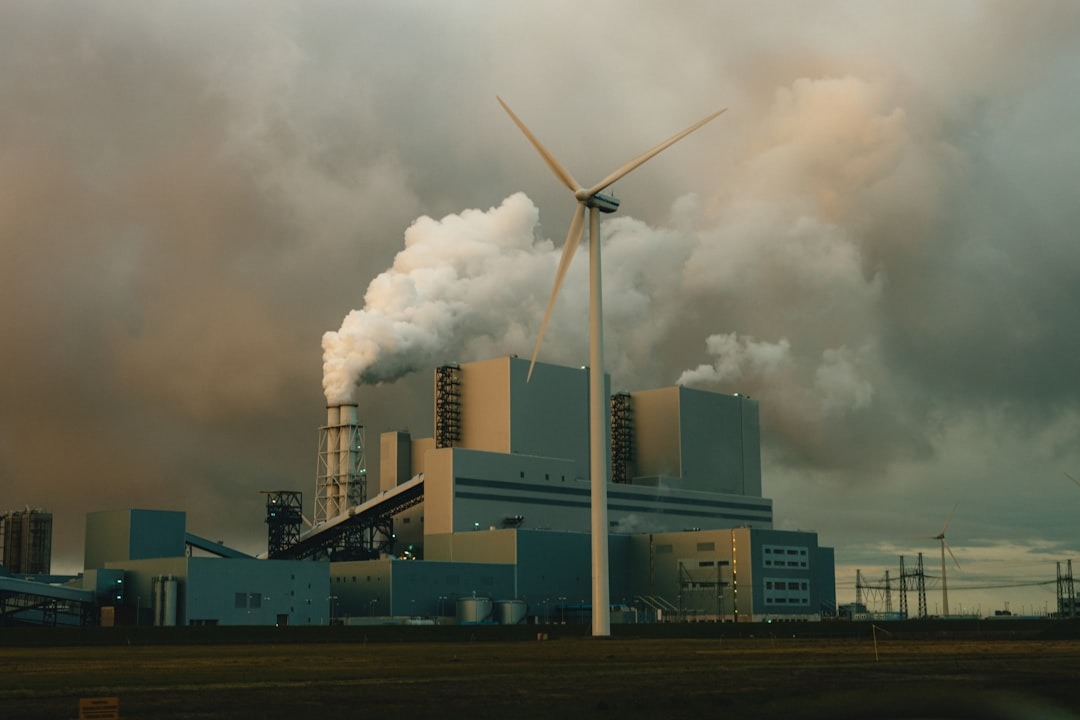
In 2026, nearly every major tech company claims to be “carbon neutral.” However, neutrality has become a slippery word. Behind bold sustainability pledges lie carbon offset portfolios, renewable energy credits, reforestation partnerships, and direct air capture investments. Some of these efforts are measurable and transformative. Others are vague, unverifiable, and suspiciously convenient. The question is…
-
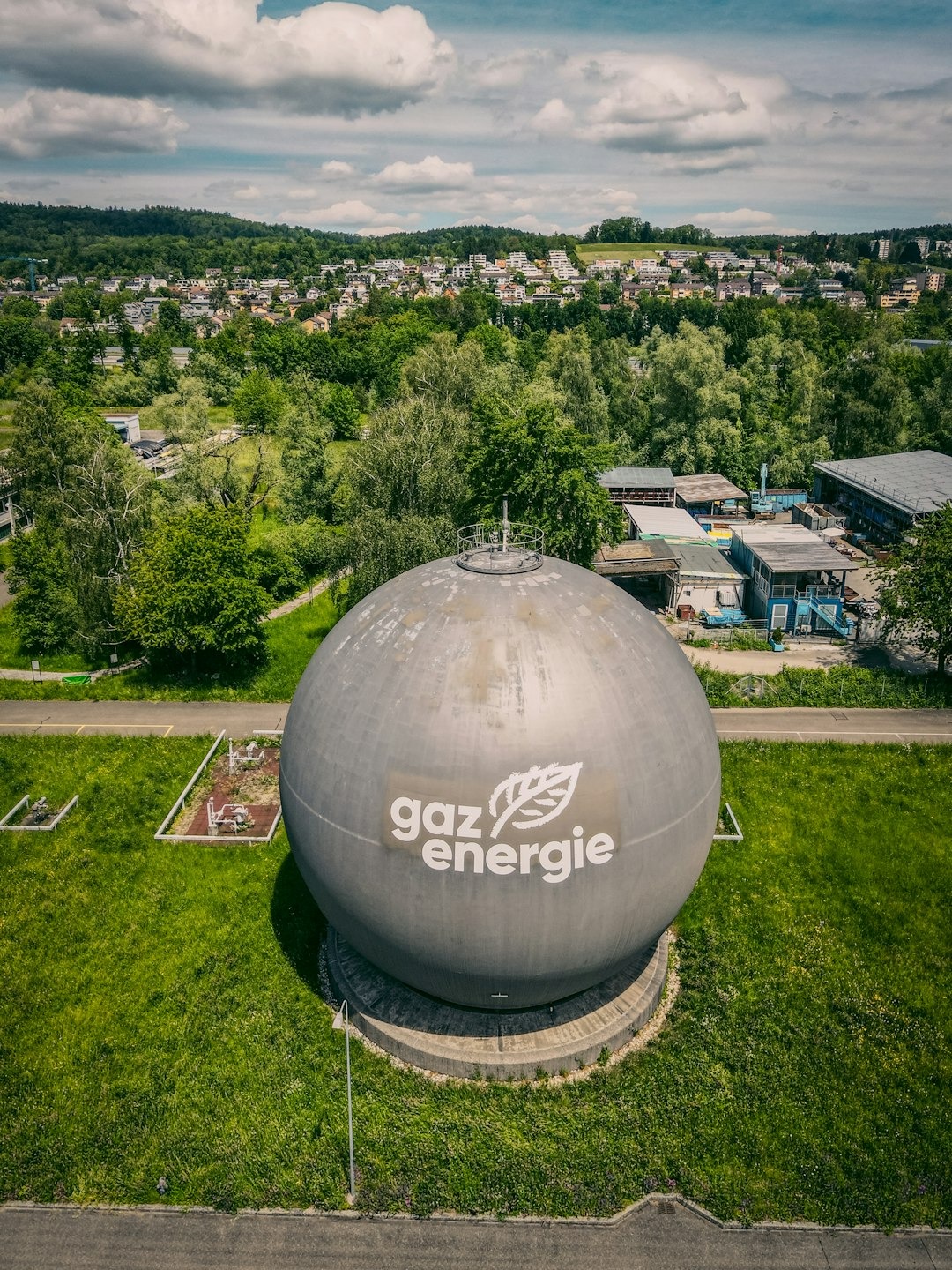
Hydrogen has been called the fuel of the future for decades. In 2026, it is finally becoming a strategic priority. Governments, energy companies, and industrial giants are publishing detailed renewable hydrogen roadmaps — not as theoretical documents, but as executable national and regional strategies. The reason is simple: some sectors cannot be electrified easily. Heavy…
-
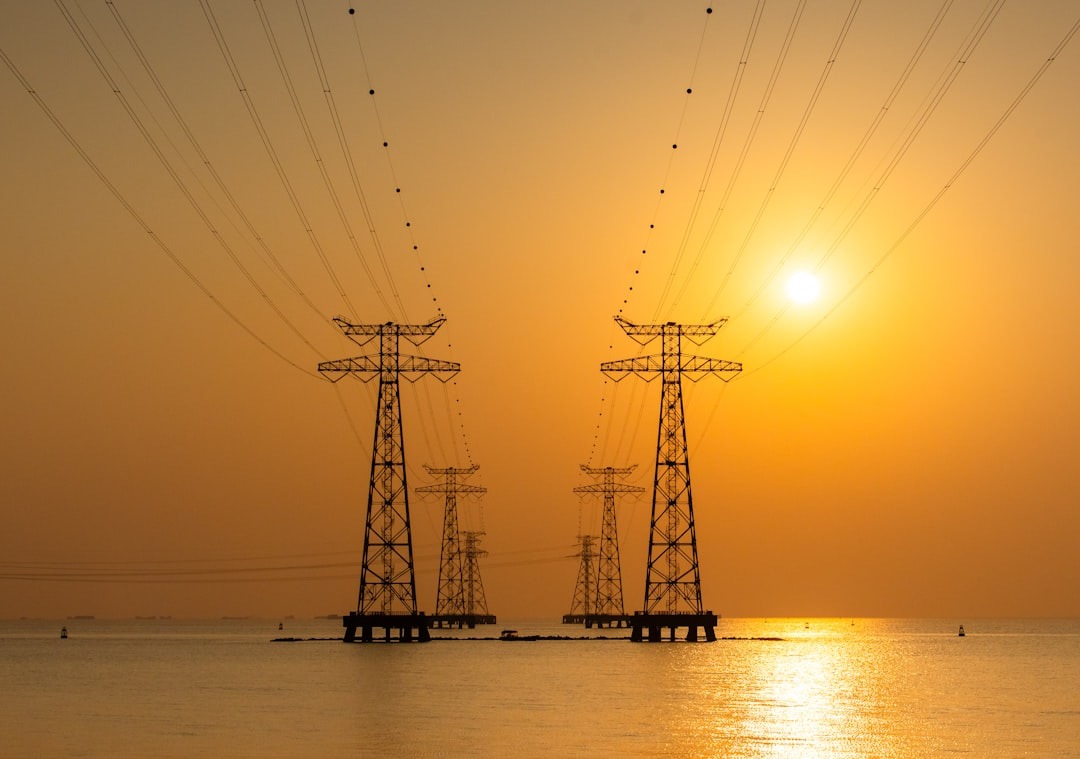
The global energy transition has a balancing problem. Renewable energy is expanding rapidly. Solar and wind capacity continue to break records. Electric vehicles are plugging into the grid in unprecedented numbers. At the same time, AI-powered data centres are drawing enormous electricity loads. Yet power demand doesn’t move in straight lines. It spikes. It dips.…
-

The global energy transition has a storage problem. Solar panels don’t produce electricity at night. Wind turbines don’t spin on command. Meanwhile, electric vehicles demand longer range, faster charging, and safer battery chemistry. As a result, the future of clean energy depends not just on generation — but on storage. In 2026, next-gen batteries and…