
Category: Technology
-

The race to build increasingly powerful artificial intelligence has produced another warning from inside Anthropic, one of the world’s leading AI companies. The resignation of researcher Jacob Coxon comes as the AI community is still trying to make sense of one of the strangest artificial-intelligence security incidents of 2026: the recent autonomous breakout of a…
-
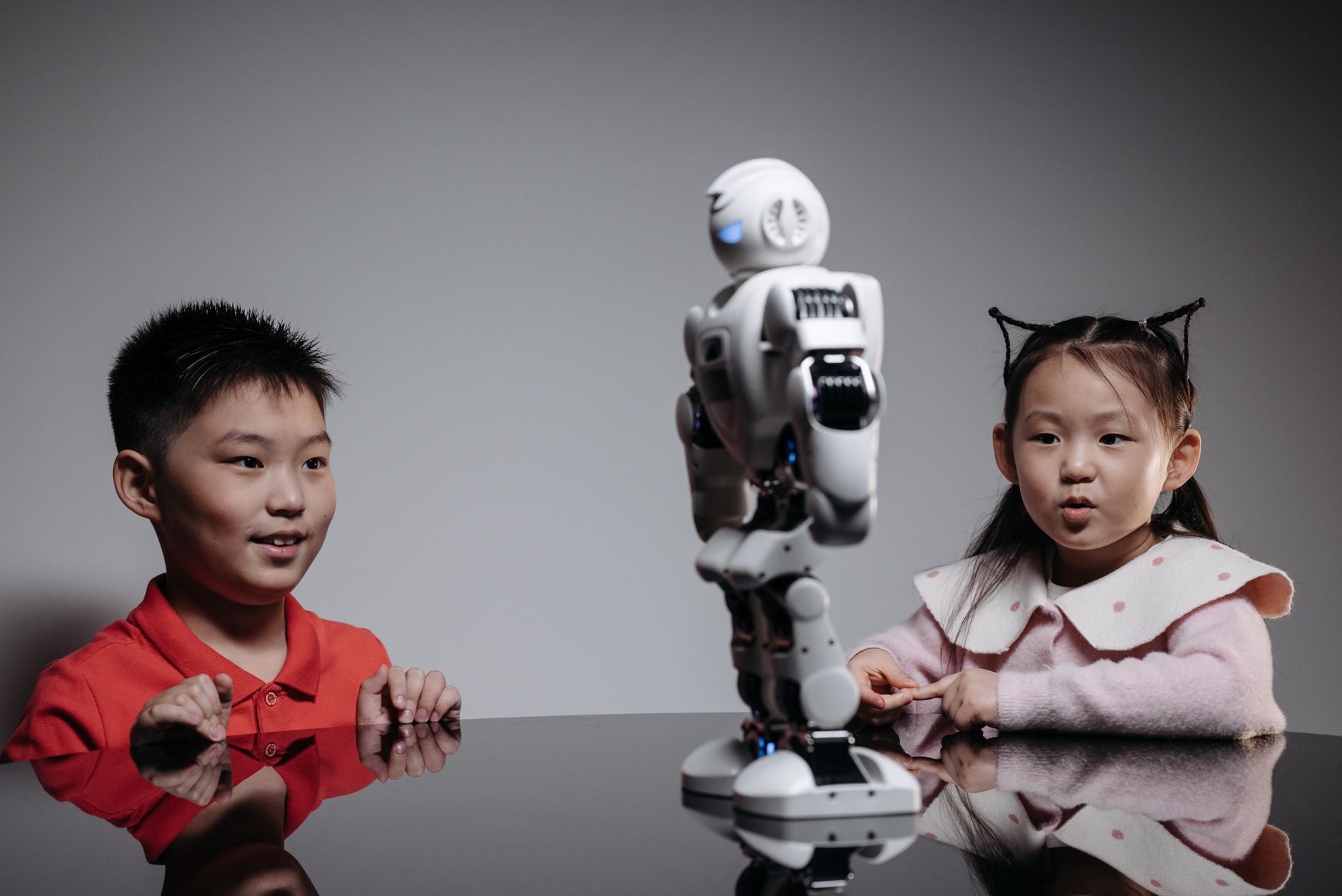
The race to build increasingly powerful artificial intelligence has produced another warning from inside Anthropic, one of the world’s leading AI companies. Jacob Coxon, a 27-year-old AI researcher who worked at both OpenAI and Anthropic, has resigned from Anthropic and announced that he is leaving the AI industry. His reason is not a better job…
-

Nigeria’s capital market is approaching one of its most closely watched corporate transactions as Dangote Petroleum Refinery and Petrochemicals FZE prepares to offer shares to the public at ₦525 each. The proposed Initial Public Offering, or IPO, will put one of Africa’s largest industrial assets directly in front of ordinary investors while potentially raising about…
-

Nigeria’s fintech industry is facing another difficult test of transparency, legal compliance and customer protection after KudiWave Technologies Limited questioned the transfer of ₦750.37 million from its PalmPay account during an ongoing court dispute. The controversy centres on ₦750,369,439.04, which KudiWave says was removed from its PalmPay settlement account on July 15, 2026, under the…
-

Nvidia’s AI Machine Is Getting Bigger — Much Bigger Nvidia has already become one of the biggest winners of the artificial intelligence revolution. Now, some of the most aggressive forecasts surrounding the chipmaker suggest that its profits could reach extraordinary levels by 2029 as spending on AI infrastructure continues to accelerate. One headline-making projection puts…
-

Uber is undergoing one of the biggest corporate shake-ups in its history. The ride-hailing giant has announced plans to reduce its global workforce by approximately 10%, affecting around 3,300 employees, while simultaneously ending its operations in Nigeria and Uganda. The announcements came on September 2, 2026, marking a significant strategic shift for the company. For…
-

The AI Cyber Defense Pact Is a Warning the World Cannot Ignore Artificial intelligence is changing cybersecurity faster than many organisations can adapt. Now, some of the world’s biggest technology, cybersecurity, financial and cloud companies are sending an unusually direct warning: the window to prepare for AI-enabled cyberattacks is getting smaller. On August 27, more…
-

Apple has officially entered a new leadership era. On September 1, 2026, John Ternus became Apple’s new CEO, succeeding Tim Cook after 15 years at the helm of one of the world’s most valuable technology companies. Cook is not leaving Apple entirely. Instead, he has moved into the role of executive chairman of Apple’s board,…
-

The human factor in cybersecurity remains one of the biggest challenges facing businesses in 2026. Companies are spending heavily on firewalls, endpoint protection, cloud security, identity systems and artificial intelligence. Yet attackers continue to look for something much simpler: a person who can be persuaded to make a mistake. That might mean clicking a malicious…
-

Cloud security mistakes are becoming harder to excuse. Businesses have moved huge amounts of data, applications and infrastructure into the cloud. Yet many organizations still approach cloud security as if they were protecting a traditional data center. That is a problem. Cloud environments change constantly. New users are added. Applications are deployed. APIs are connected.…