
Category: Automation
-
The race to build increasingly powerful artificial intelligence has produced another warning from inside Anthropic, one of the world’s leading AI companies. Jacob Coxon, a 27-year-old AI researcher who worked at both OpenAI and Anthropic, has resigned from Anthropic and announced that he is leaving the AI industry. His reason is not a better job…
-

Nvidia’s AI Machine Is Getting Bigger — Much Bigger Nvidia has already become one of the biggest winners of the artificial intelligence revolution. Now, some of the most aggressive forecasts surrounding the chipmaker suggest that its profits could reach extraordinary levels by 2029 as spending on AI infrastructure continues to accelerate. One headline-making projection puts…
-

Uber is undergoing one of the biggest corporate shake-ups in its history. The ride-hailing giant has announced plans to reduce its global workforce by approximately 10%, affecting around 3,300 employees, while simultaneously ending its operations in Nigeria and Uganda. The announcements came on September 2, 2026, marking a significant strategic shift for the company. For…
-
The next decade will not be remembered for a single breakthrough. Instead, history may look back on this period as the moment when multiple technologies matured simultaneously. Artificial intelligence is becoming more autonomous. Quantum computers are moving from research labs toward commercial applications. Robots are becoming more capable. Digital identities are replacing passwords. Meanwhile, connected…
-

The modern world is becoming more connected every day. Homes are smarter. Cars are more intelligent. Businesses rely on cloud systems. Wearable devices track our health and activities. Everywhere people go, digital systems are collecting, analysing, and exchanging information. This connected future promises convenience. However, it also introduces new risks that many people rarely consider.…
-
The next technological revolution will not be defined by a single invention. Instead, it will come from the combination of several powerful technologies changing how people work, communicate, travel, and live. Artificial intelligence is becoming more autonomous. Robotics is becoming more intelligent. Computing is becoming more powerful. Meanwhile, industries are adopting digital systems that were…
-

Every secure digital interaction relies on one invisible technology: encryption. When people transfer money online, send private messages, access cloud platforms, or store sensitive information, encryption acts as the protective layer keeping that data safe. However, a new computing revolution is forcing the cybersecurity industry to rethink how digital protection works. Quantum computing is approaching…
-

For years, web browsers looked like a solved problem. Google Chrome dominated the market. Microsoft Edge found its place. Apple Safari controlled the Apple ecosystem. Meanwhile, Mozilla Firefox continued to serve privacy-conscious users. As a result, innovation slowed. Most browser updates focused on speed improvements, security patches, and design tweaks. Few people expected browsers to…
-

Blockchain technology has revolutionised finance, ownership, and digital trust—but it comes with a growing concern: its environmental impact. As adoption accelerates, critics argue that blockchain—especially certain cryptocurrencies—consumes vast amounts of energy, raising questions about sustainability in a climate-conscious world. In 2026, the conversation is no longer just about innovation. It’s about whether blockchain can evolve…
-
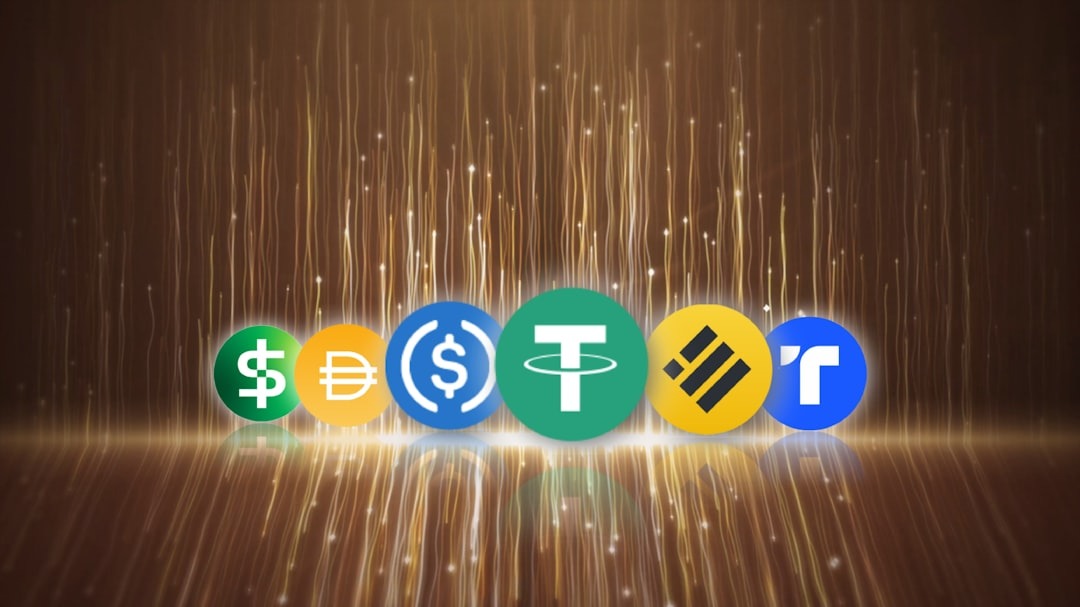
Sending money across borders has long been slow, expensive, and frustrating. But in 2026, a new financial layer is changing everything—stablecoins. Designed to maintain a stable value by pegging to fiat currencies like the US dollar, stablecoins are rapidly becoming the backbone of faster, cheaper, and more accessible global payments. From freelancers in Lagos to…