
Category: Digital Accessibility
-

Apple has officially entered a new leadership era. On September 1, 2026, John Ternus became Apple’s new CEO, succeeding Tim Cook after 15 years at the helm of one of the world’s most valuable technology companies. Cook is not leaving Apple entirely. Instead, he has moved into the role of executive chairman of Apple’s board,…
-

The human factor in cybersecurity remains one of the biggest challenges facing businesses in 2026. Companies are spending heavily on firewalls, endpoint protection, cloud security, identity systems and artificial intelligence. Yet attackers continue to look for something much simpler: a person who can be persuaded to make a mistake. That might mean clicking a malicious…
-

Nation-state cyber warfare is entering a new phase. Governments have used hacking, espionage and digital disruption for years. However, artificial intelligence is changing the speed and scale of those operations. Today, attackers can use AI to analyse information, create convincing messages, discover vulnerabilities and support multi-stage campaigns. At the same time, defenders are using the…
-

The next generation of voice assistants is arriving with a very different idea of what an assistant should be. For years, Siri, Alexa, and Google Assistant were built around short commands. Users asked for the weather, set alarms, played music, or switched on smart lights. However, that model is changing rapidly. Today, artificial intelligence can…
-
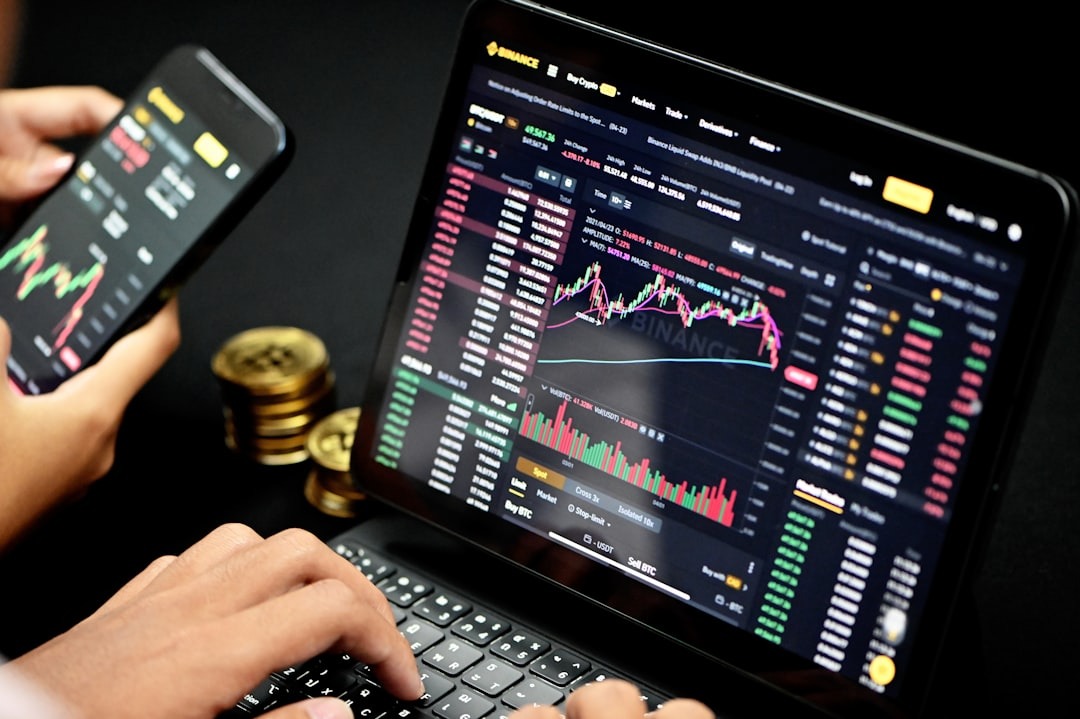
The future of digital finance is unfolding faster than many expected. Artificial intelligence is changing how banks detect fraud. Stablecoins are speeding up international payments. Meanwhile, blockchain is improving transparency across financial services. At the same time, central banks are testing digital currencies, and fintech companies continue challenging traditional banking models. The financial sector is…
-

Central Bank Digital Currencies (CBDCs) have moved from policy papers to real-world pilots. Across the globe, central banks are testing digital versions of national currencies as payment habits change and cash usage declines. At the same time, governments want payment systems that are faster, safer, and more resilient. Consequently, CBDCs have become one of the…
-

Some of the biggest cybersecurity threats do not make headlines. There is no dramatic system shutdown. No obvious warning. No visible attack happening in real time. Instead, many organizations are facing a quieter problem: Weak security foundations. Stolen identities. Poor access controls. Unprotected data. As technology becomes more connected, attackers are finding new ways to…
-

Augmented Reality: the next major computing device may not sit in your pocket. It may sit on your face. After years of smartphones dominating digital experiences, technology companies are exploring a new direction: augmented reality glasses. Unlike traditional screens, AR glasses aim to blend digital information with the physical world. Instead of looking down at…
-

For decades, ownership of valuable assets followed a familiar process. Buying real estate required paperwork. Investing in private companies required complex agreements. Trading valuable assets often involves multiple intermediaries. The process worked, but it was slow. Now, blockchain technology is introducing a new approach. Instead of representing ownership through traditional documents, assets can be converted…
-

Imagine a factory that can predict a machine failure before it happens. Technology? Imagine a city that can simulate traffic changes before building new roads. Imagine a hospital that can create a virtual model of a patient to improve treatment decisions. This is no longer science fiction. It is the promise of digital twin technology.…