
Category: Data
-

Apple has officially entered a new leadership era. On September 1, 2026, John Ternus became Apple’s new CEO, succeeding Tim Cook after 15 years at the helm of one of the world’s most valuable technology companies. Cook is not leaving Apple entirely. Instead, he has moved into the role of executive chairman of Apple’s board,…
-

Cloud security mistakes are becoming harder to excuse. Businesses have moved huge amounts of data, applications and infrastructure into the cloud. Yet many organizations still approach cloud security as if they were protecting a traditional data center. That is a problem. Cloud environments change constantly. New users are added. Applications are deployed. APIs are connected.…
-
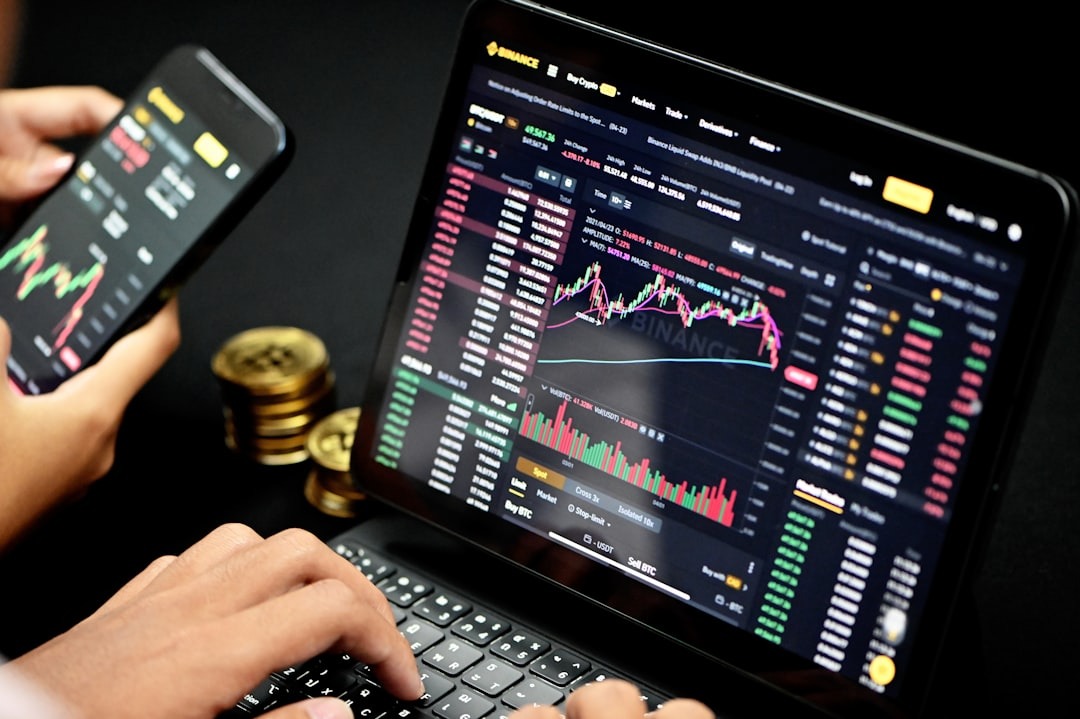
The future of digital finance is unfolding faster than many expected. Artificial intelligence is changing how banks detect fraud. Stablecoins are speeding up international payments. Meanwhile, blockchain is improving transparency across financial services. At the same time, central banks are testing digital currencies, and fintech companies continue challenging traditional banking models. The financial sector is…
-

Web3 Beyond Crypto is no longer just an industry slogan. In 2026, businesses, governments, and developers are using Web3 technologies to solve practical problems that have little to do with buying or trading digital coins. Meanwhile, the conversation has shifted. Investors are asking tougher questions. Enterprises want measurable results. Consumers expect better privacy and greater…
-
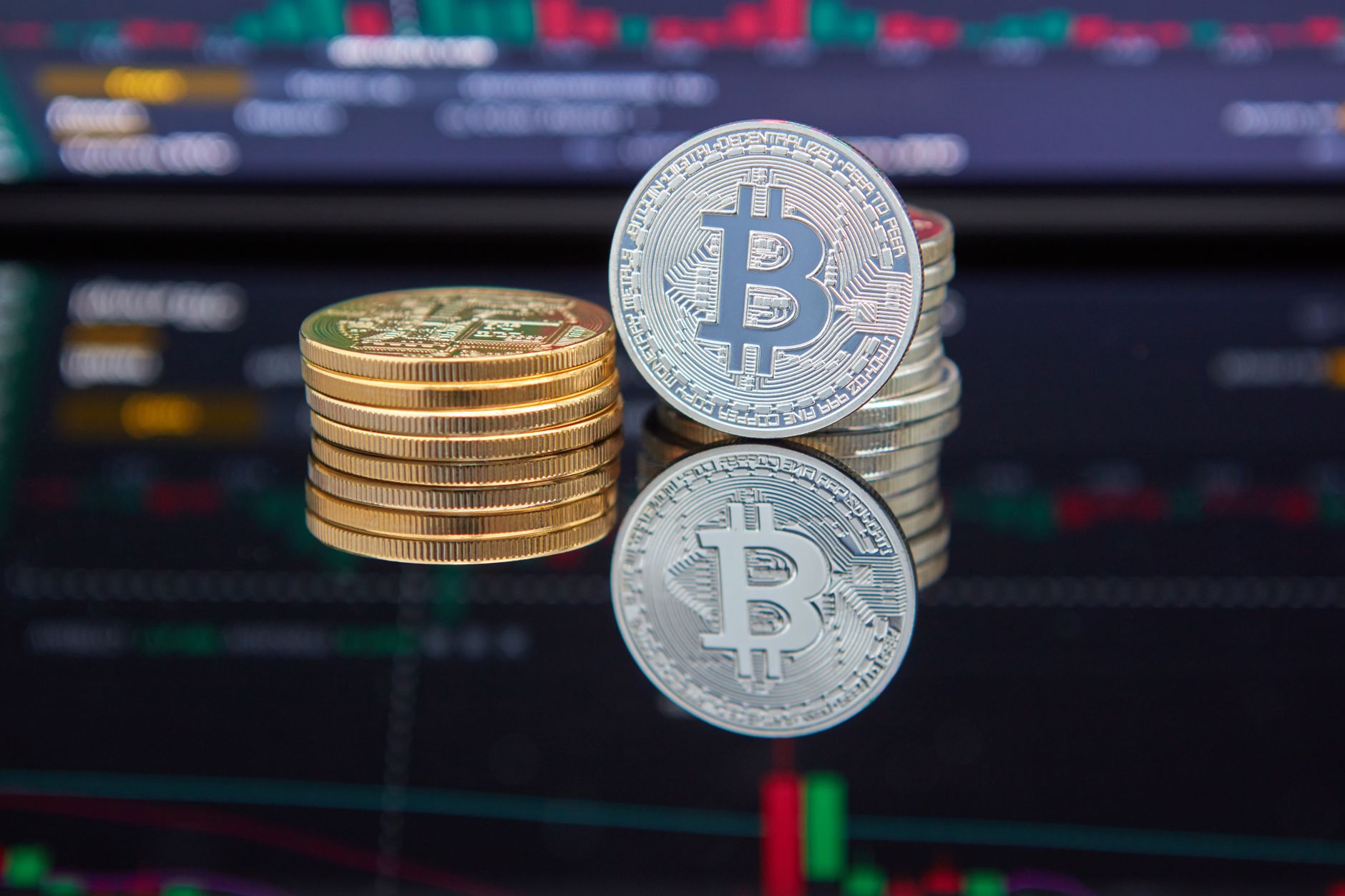
Central Bank Digital Currencies (CBDCs) have moved from policy papers to real-world pilots. Across the globe, central banks are testing digital versions of national currencies as payment habits change and cash usage declines. At the same time, governments want payment systems that are faster, safer, and more resilient. Consequently, CBDCs have become one of the…
-

The modern world is becoming more connected every day. Homes are smarter. Cars are more intelligent. Businesses rely on cloud systems. Wearable devices track our health and activities. Everywhere people go, digital systems are collecting, analysing, and exchanging information. This connected future promises convenience. However, it also introduces new risks that many people rarely consider.…
-

Clean technology is no longer a cottage industry limited to niche sustainability funds or CSR budgets. By 2026, clean tech will have become one of the most significant — and fastest-growing — sectors in global investment portfolios. As governments tighten climate policy, major corporations commit to net-zero targets, and consumers demand greener products, capital is…
-

Cybersecurity has always been a race between attackers and defenders. Historically, humans designed defences and responded to breaches manually. Today, artificial intelligence is tilting that balance. AI isn’t just a defensive tool—it’s becoming a force multiplier for cybersecurity teams, capable of detecting anomalies, predicting threats, and responding faster than any human could. At the same…
-

For decades, cybersecurity operated on a simple assumption: if you’re inside the network, you can be trusted. That assumption no longer holds. Cloud computing dissolved network perimeters. Remote work shattered office boundaries. SaaS platforms scatter data across vendors. Meanwhile, attackers stopped knocking on the front door and began exploiting credentials, APIs, and software supply chains.…
-

In the past, software security was someone else’s problem. IT teams managed firewalls, patched servers, and monitored intrusion logs. Developers focused on features, deadlines, and functionality. Today, that separation has all but vanished. Cyberattacks are faster, more sophisticated, and more destructive than ever. From ransomware to supply chain compromises, vulnerabilities in code can cascade globally.…