
Category: Cloud computing
-

The AI Cyber Defense Pact Is a Warning the World Cannot Ignore Artificial intelligence is changing cybersecurity faster than many organisations can adapt. Now, some of the world’s biggest technology, cybersecurity, financial and cloud companies are sending an unusually direct warning: the window to prepare for AI-enabled cyberattacks is getting smaller. On August 27, more…
-

Cloud security mistakes are becoming harder to excuse. Businesses have moved huge amounts of data, applications and infrastructure into the cloud. Yet many organizations still approach cloud security as if they were protecting a traditional data center. That is a problem. Cloud environments change constantly. New users are added. Applications are deployed. APIs are connected.…
-

Nation-state cyber warfare is entering a new phase. Governments have used hacking, espionage and digital disruption for years. However, artificial intelligence is changing the speed and scale of those operations. Today, attackers can use AI to analyse information, create convincing messages, discover vulnerabilities and support multi-stage campaigns. At the same time, defenders are using the…
-

Ambient computing is emerging as one of the most important shifts in how people interact with technology. For years, using a computer meant sitting in front of a screen. Then smartphones changed the model by putting computing into our pockets. Now, another transition is underway. Technology is beginning to move into the background. Instead of…
-

The next generation of voice assistants is arriving with a very different idea of what an assistant should be. For years, Siri, Alexa, and Google Assistant were built around short commands. Users asked for the weather, set alarms, played music, or switched on smart lights. However, that model is changing rapidly. Today, artificial intelligence can…
-

The Evolution of Decentralized Finance (DeFi) is no longer defined by explosive token prices or speculative trading. Instead, it is being shaped by practical financial innovation, stronger regulation, and growing institutional interest. What started as an experimental movement within the cryptocurrency community has matured into a global ecosystem that is influencing how money is borrowed,…
-

Every major technology revolution creates excitement. New companies emerge. Investors rush in. Markets rise quickly. However, history shows that extraordinary innovation often comes with extraordinary expectations. The internet boom created some of the world’s biggest companies. The mobile revolution transformed entire industries. Now, artificial intelligence has become the centre of the latest technology investment wave.…
-
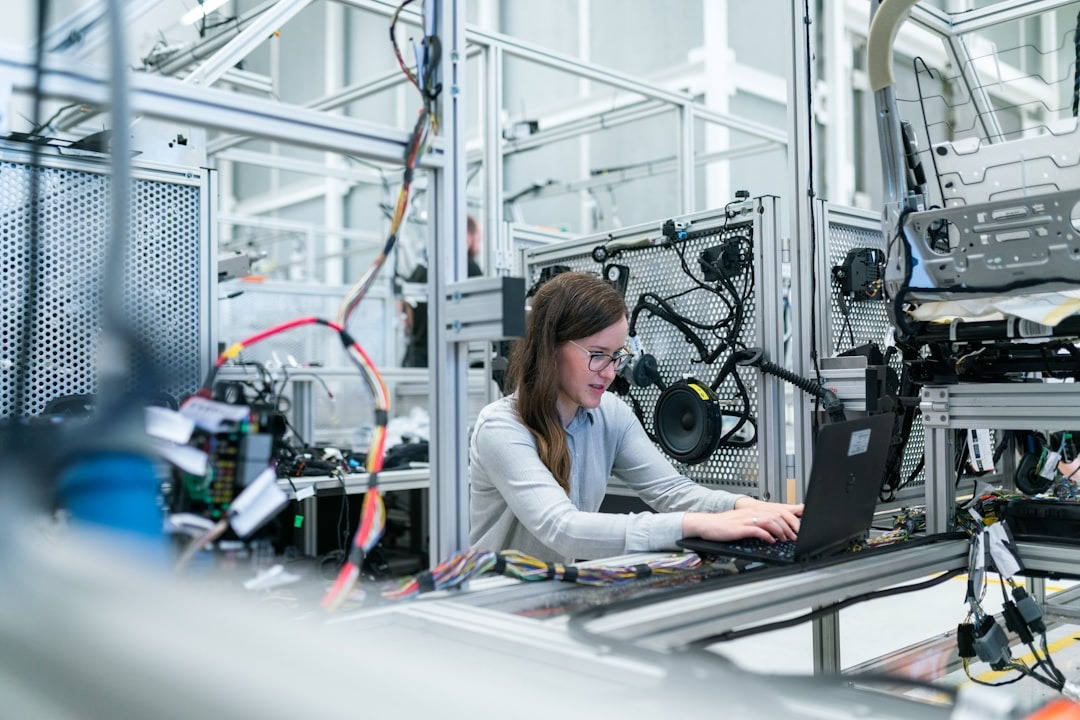
The next technological revolution will not be defined by a single invention. Instead, it will come from the combination of several powerful technologies changing how people work, communicate, travel, and live. Artificial intelligence is becoming more autonomous. Robotics is becoming more intelligent. Computing is becoming more powerful. Meanwhile, industries are adopting digital systems that were…
-

For decades, people trusted what they could see and hear. A video showed an event. A voice message represented a person. A photograph captures a moment. However, artificial intelligence has changed that assumption. Today, advanced AI systems can create realistic images, videos, and voices that are almost impossible to distinguish from reality. As a result,…
-

Digital-first has become more than a slogan. It’s a strategic imperative that separates companies thriving in volatile markets from those struggling to stay relevant. In 2025, enterprises realised that digital transformation isn’t just about adopting new tools—it’s about rethinking how businesses operate, innovate, and deliver value from the ground up. Today’s digital-first organisations are redefining…