
Category: Data Engineering
-

The AI Cyber Defense Pact Is a Warning the World Cannot Ignore Artificial intelligence is changing cybersecurity faster than many organisations can adapt. Now, some of the world’s biggest technology, cybersecurity, financial and cloud companies are sending an unusually direct warning: the window to prepare for AI-enabled cyberattacks is getting smaller. On August 27, more…
-

The human factor in cybersecurity remains one of the biggest challenges facing businesses in 2026. Companies are spending heavily on firewalls, endpoint protection, cloud security, identity systems and artificial intelligence. Yet attackers continue to look for something much simpler: a person who can be persuaded to make a mistake. That might mean clicking a malicious…
-

How AI is changing consumer electronics is becoming one of the biggest technology stories of 2026. Smartphones are learning user habits. Laptops can run AI models locally. TVs are using artificial intelligence to improve images and sound. Meanwhile, smart glasses and wearables are becoming more intelligent. The change is bigger than adding a chatbot to…
-
Blockchain is gradually moving from cryptocurrency headlines into public administration. Around the world, governments are exploring how distributed ledger technology can improve transparency, reduce fraud, modernise public services, and simplify the management of digital records. The motivation is straightforward. Public institutions process enormous amounts of information every day. From tax records and property ownership to…
-

For decades, ownership of valuable assets followed a familiar process. Buying real estate required paperwork. Investing in private companies required complex agreements. Trading valuable assets often involves multiple intermediaries. The process worked, but it was slow. Now, blockchain technology is introducing a new approach. Instead of representing ownership through traditional documents, assets can be converted…
-

The smartphone changed everything. It replaced cameras, maps, music players, wallets, and even desktop computers for millions of people. For more than a decade, the smartphone has been the centre of digital life. However, technology rarely stays still. Now, a new question is emerging across the industry: What comes after the smartphone? Major technology companies…
-
For decades, software has followed a familiar pattern. Need to manage projects? Open a project management application. Need accounting? Launch accounting software. Need customer support? Log in to a dedicated CRM platform. The user has always been the operator, navigating interfaces, clicking buttons, filling forms, and moving data between systems. Now, however, that paradigm is…
-
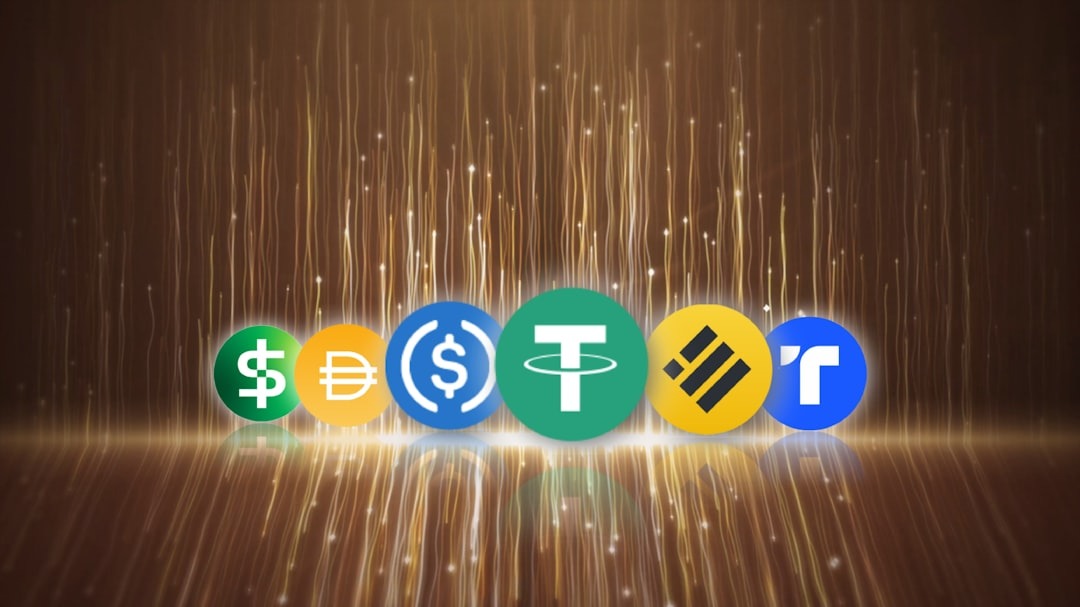
Sending money across borders has long been slow, expensive, and frustrating. But in 2026, a new financial layer is changing everything—stablecoins. Designed to maintain a stable value by pegging to fiat currencies like the US dollar, stablecoins are rapidly becoming the backbone of faster, cheaper, and more accessible global payments. From freelancers in Lagos to…
-
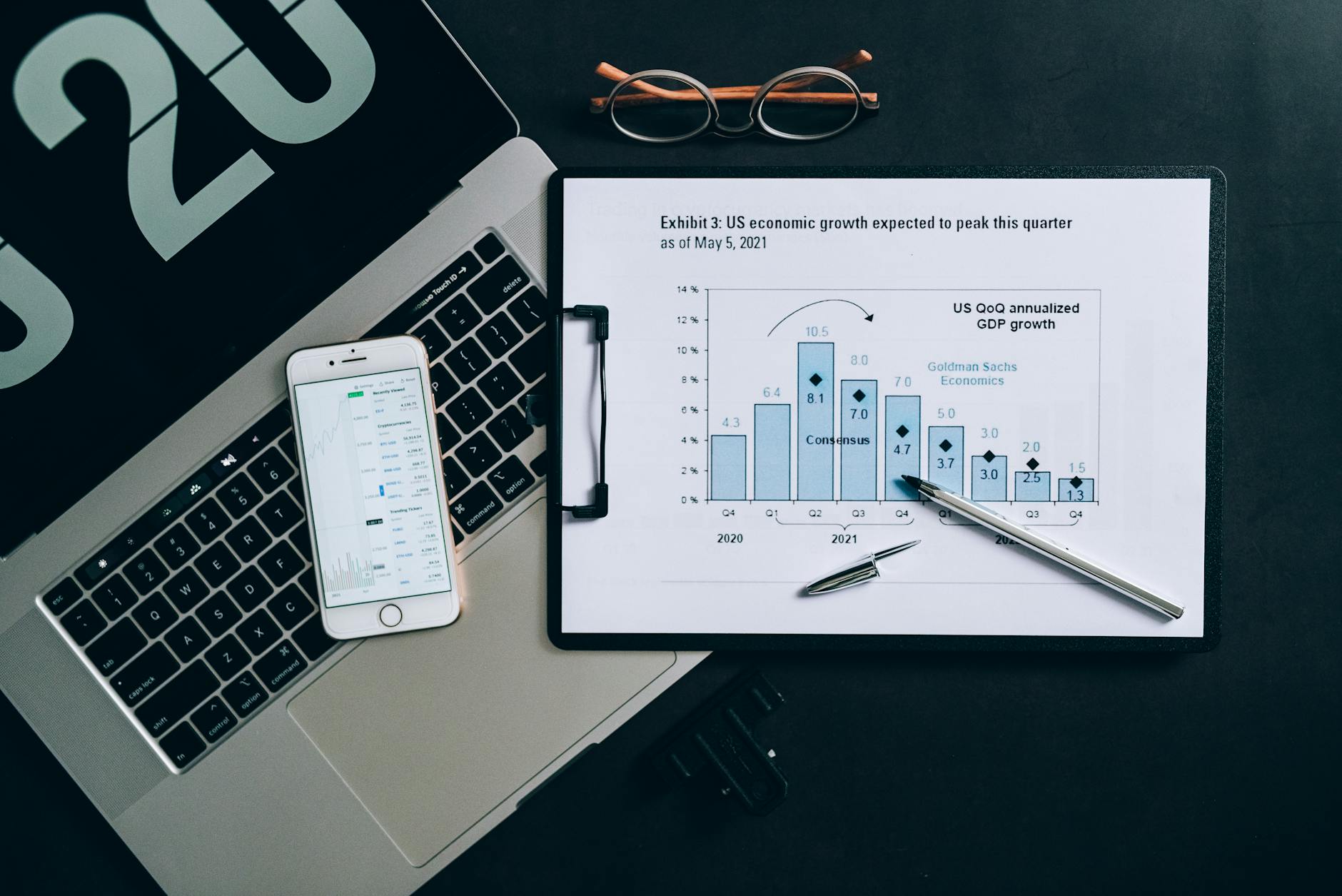
The idea of a circular economy has moved from boardroom presentations to operational reality. By 2026, businesses worldwide are realizing that linear models — take, make, dispose — are unsustainable. The key driver? IoT technology, turning everyday objects into data-rich assets that inform reuse, recycling, and regeneration. Smart sensors, connected devices, and AI-driven analytics are…
-
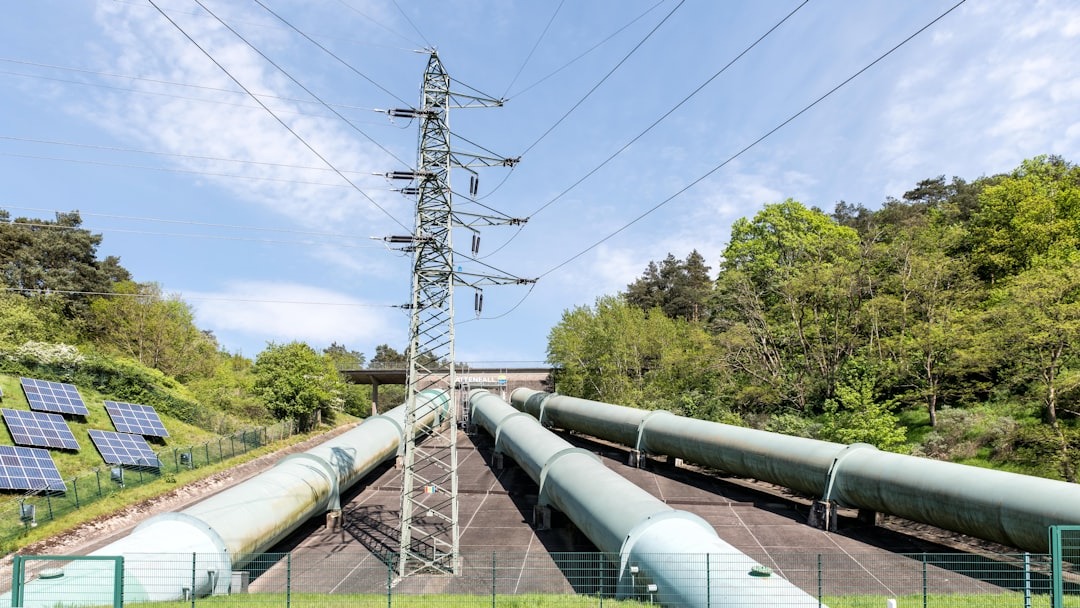
Hydrogen has been called the fuel of the future for decades. In 2026, it is finally becoming a strategic priority. Governments, energy companies, and industrial giants are publishing detailed renewable hydrogen roadmaps — not as theoretical documents, but as executable national and regional strategies. The reason is simple: some sectors cannot be electrified easily. Heavy…