
Category: Technology
-
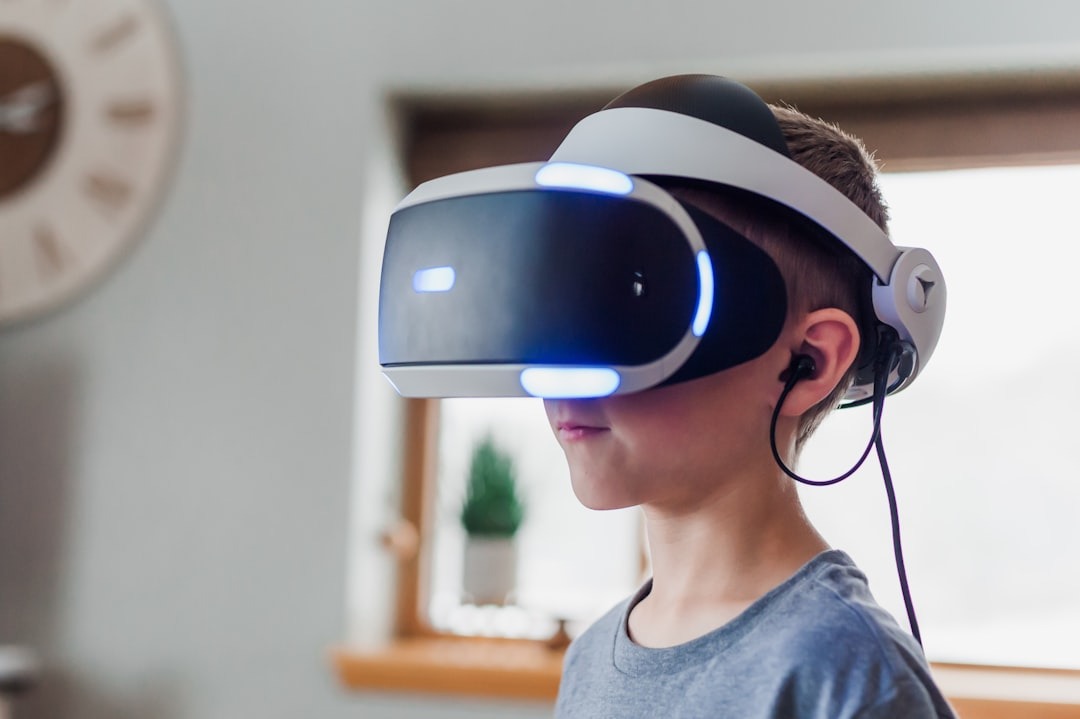
Augmented Reality: the next major computing device may not sit in your pocket. It may sit on your face. After years of smartphones dominating digital experiences, technology companies are exploring a new direction: augmented reality glasses. Unlike traditional screens, AR glasses aim to blend digital information with the physical world. Instead of looking down at…
-

For decades, ownership of valuable assets followed a familiar process. Buying real estate required paperwork. Investing in private companies required complex agreements. Trading valuable assets often involves multiple intermediaries. The process worked, but it was slow. Now, blockchain technology is introducing a new approach. Instead of representing ownership through traditional documents, assets can be converted…
-

The smartphone changed everything. It replaced cameras, maps, music players, wallets, and even desktop computers for millions of people. For more than a decade, the smartphone has been the centre of digital life. However, technology rarely stays still. Now, a new question is emerging across the industry: What comes after the smartphone? Major technology companies…
-
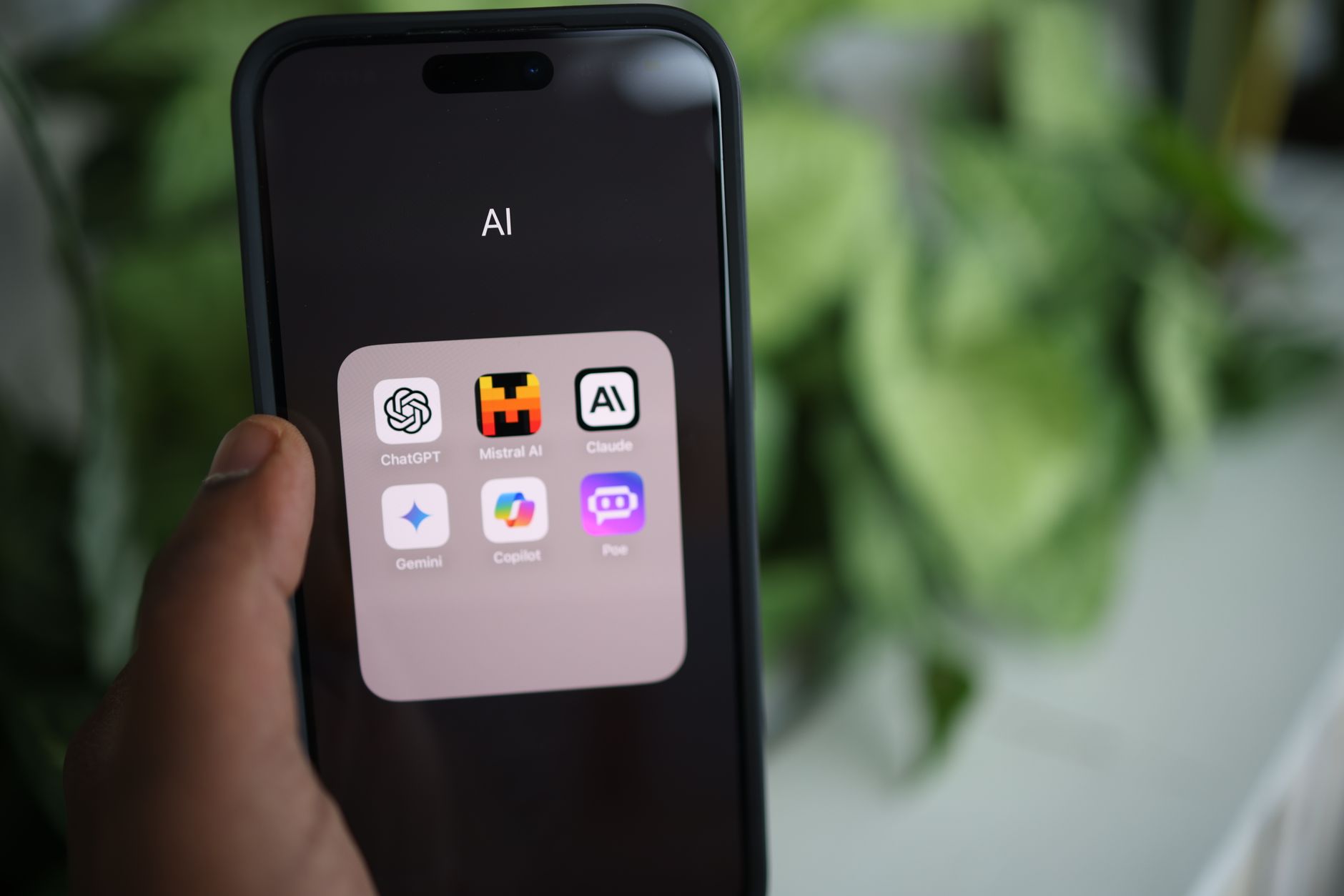
For years, web browsers looked like a solved problem. Google Chrome dominated the market. Microsoft Edge found its place. Apple Safari controlled the Apple ecosystem. Meanwhile, Mozilla Firefox continued to serve privacy-conscious users. As a result, innovation slowed. Most browser updates focused on speed improvements, security patches, and design tweaks. Few people expected browsers to…
-

For decades, software has followed a familiar pattern. Need to manage projects? Open a project management application. Need accounting? Launch accounting software. Need customer support? Log in to a dedicated CRM platform. The user has always been the operator, navigating interfaces, clicking buttons, filling forms, and moving data between systems. Now, however, that paradigm is…
-

Smart homes are no longer a futuristic concept—they are now a part of everyday life. From smart TVs and voice assistants to connected door locks and security cameras, the Internet of Things (IoT) is transforming how we live. But as convenience increases, so do the risks. In 2026, IoT security has become a critical concern,…
-
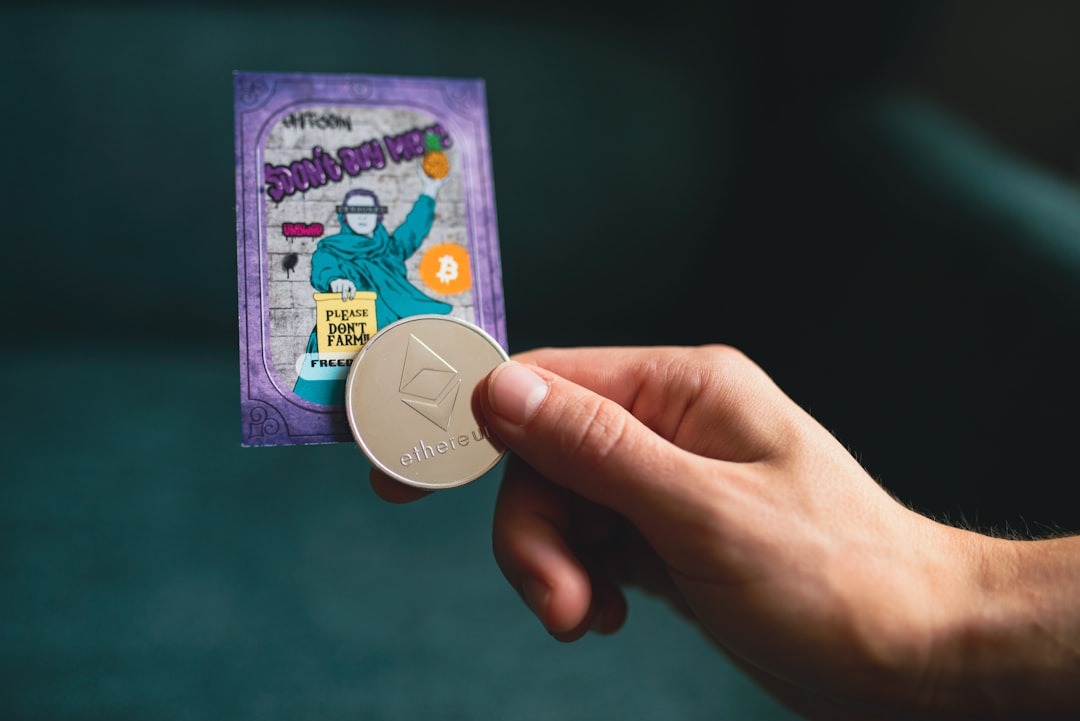
For years, NFTs were synonymous with digital art, collectables, and hype-driven speculation. But in 2026, that narrative has shifted dramatically. Today, Non-Fungible Tokens (NFTs) are moving beyond JPEGs and into the real world—powering ownership of assets like real estate, event tickets, identity credentials, and even physical goods. The big question is no longer “Are NFTs…
-

More than 40% of the world’s population lives within 100 kilometers of a coastline. In 2026, that statistic feels less like geography — and more like risk exposure. Rising sea levels, intensifying storms, saltwater intrusion, and chronic flooding are no longer future projections. They are operational realities for city planners, insurers, and infrastructure operators. However,…
-
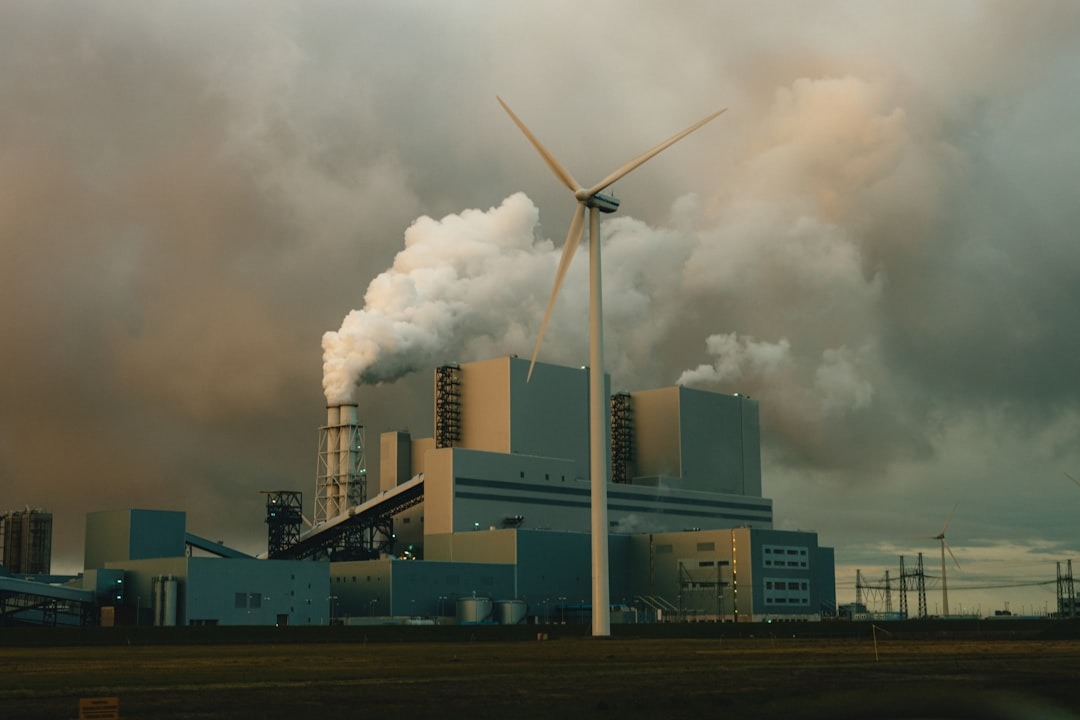
In 2026, nearly every major tech company claims to be “carbon neutral.” However, neutrality has become a slippery word. Behind bold sustainability pledges lie carbon offset portfolios, renewable energy credits, reforestation partnerships, and direct air capture investments. Some of these efforts are measurable and transformative. Others are vague, unverifiable, and suspiciously convenient. The question is…
-
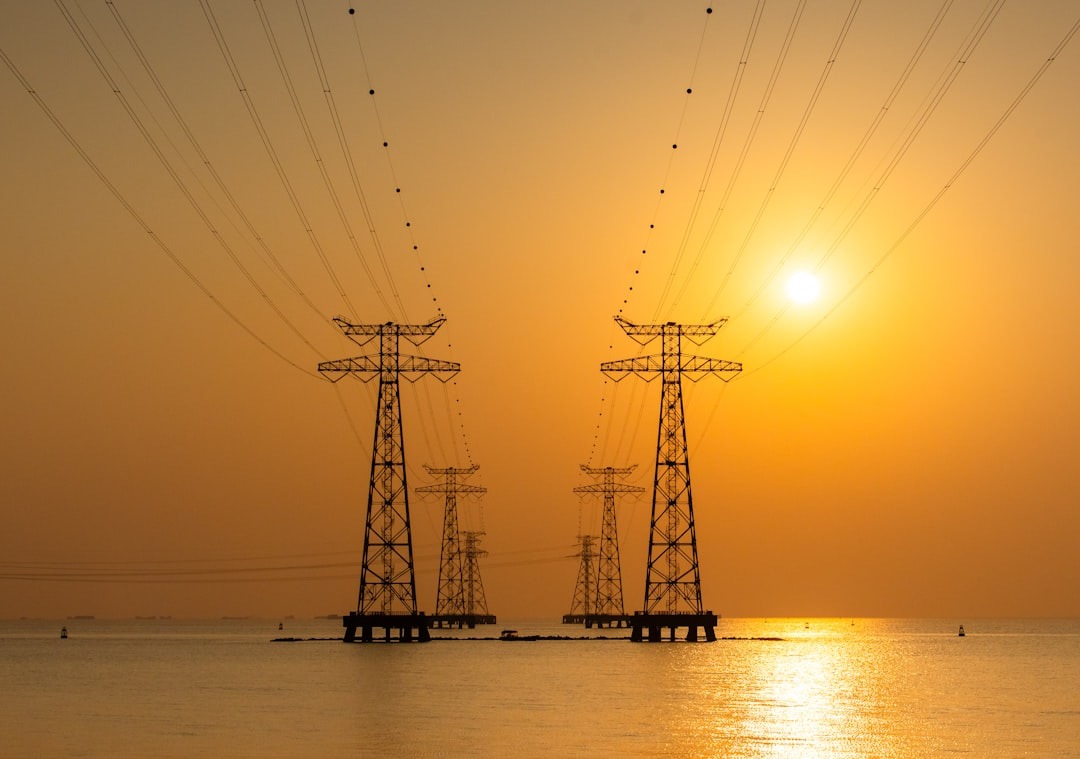
The global energy transition has a balancing problem. Renewable energy is expanding rapidly. Solar and wind capacity continue to break records. Electric vehicles are plugging into the grid in unprecedented numbers. At the same time, AI-powered data centres are drawing enormous electricity loads. Yet power demand doesn’t move in straight lines. It spikes. It dips.…