
Tag: Engineering
-
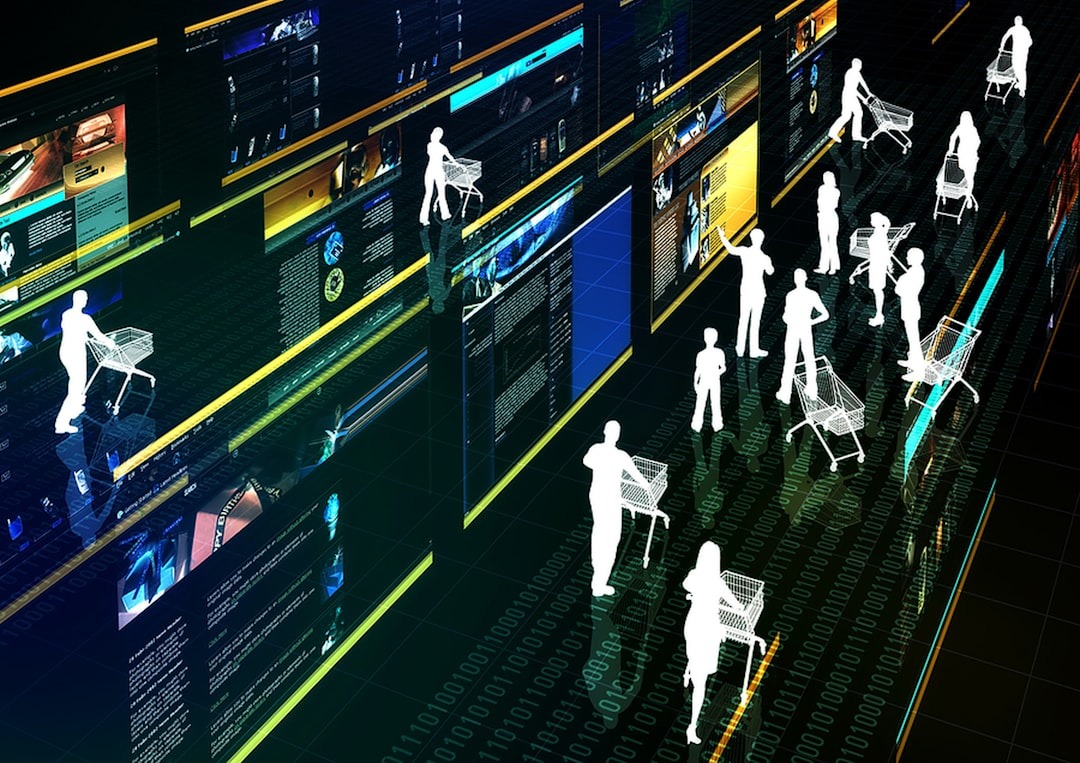
In 2025, digital transformation stopped being a corporate buzzword and became a measurable survival strategy. Across industries, organisations discovered that adopting technology alone was not enough. Instead, success depended on how deeply digital systems reshaped operations, decision-making, and customer engagement. As businesses move further into an AI-driven economy, the lessons learned from 2025 are now…
-
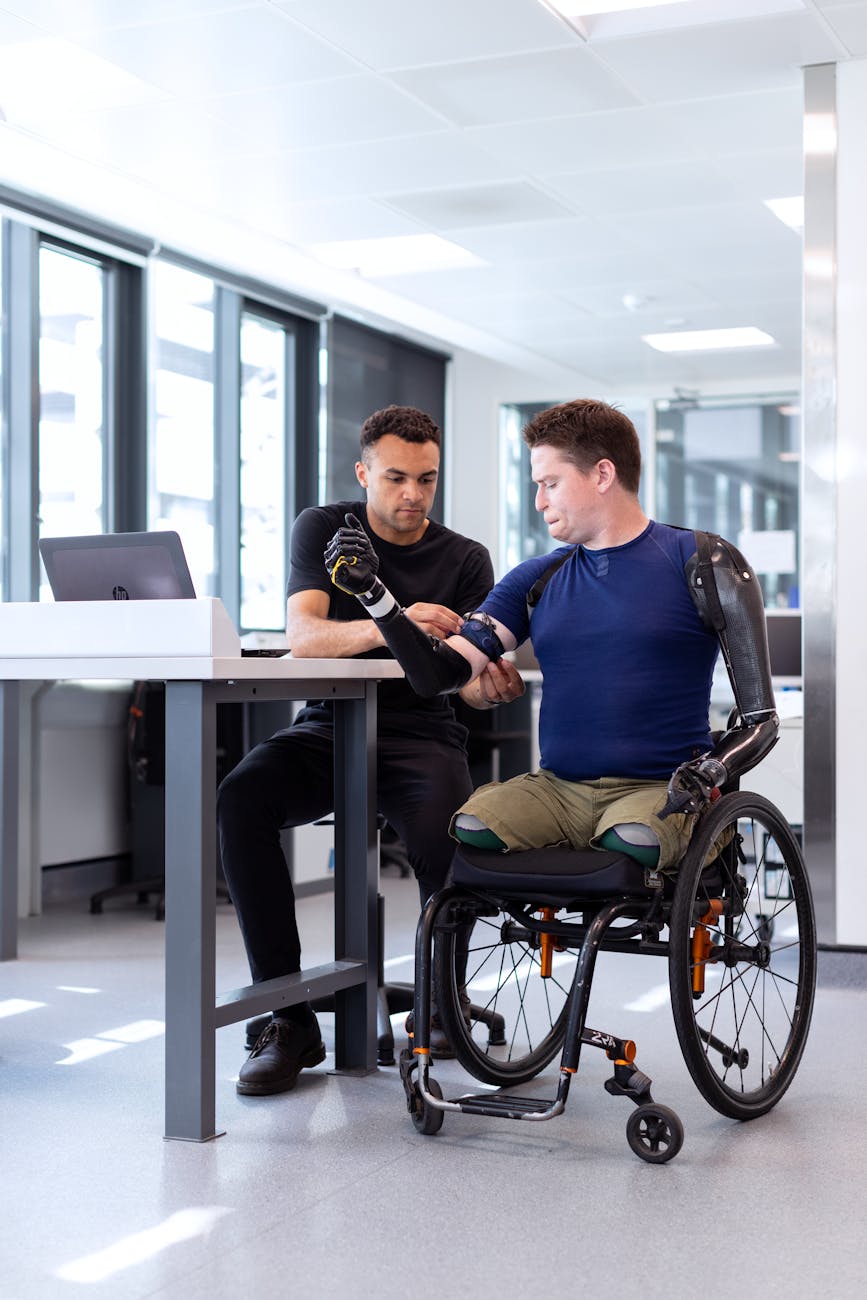
The question is no longer whether humans can enhance themselves. It’s whether we should—and under what rules. From gene editing and neural implants to AI-augmented cognition and bioengineered longevity, human enhancement technologies are accelerating. What once belonged to speculative fiction now occupies boardrooms, biotech labs, and policy debates. Yet innovation without ethical structure rarely ends…
-
A decade ago, bioinformatics sat quietly inside research labs. Today, it sits at the centre of biotech strategy, pharmaceutical R&D, genomic medicine, and even AI-driven healthcare startups. In 2026, biology no longer moves forward without code. Bioinformatics—the discipline that merges biology, data science, and computational modelling—has evolved from a niche academic speciality into a core…
-

For over a century, industrial growth has depended on fossil fuels and petrochemicals. Plastic, fuel, textiles, packaging—modern civilisation runs on carbon extracted from the ground. However, a new shift is underway. Instead of drilling for hydrocarbons, scientists are programming living cells to manufacture them. Synthetic biology is rapidly evolving from laboratory curiosity into industrial infrastructure.…
-
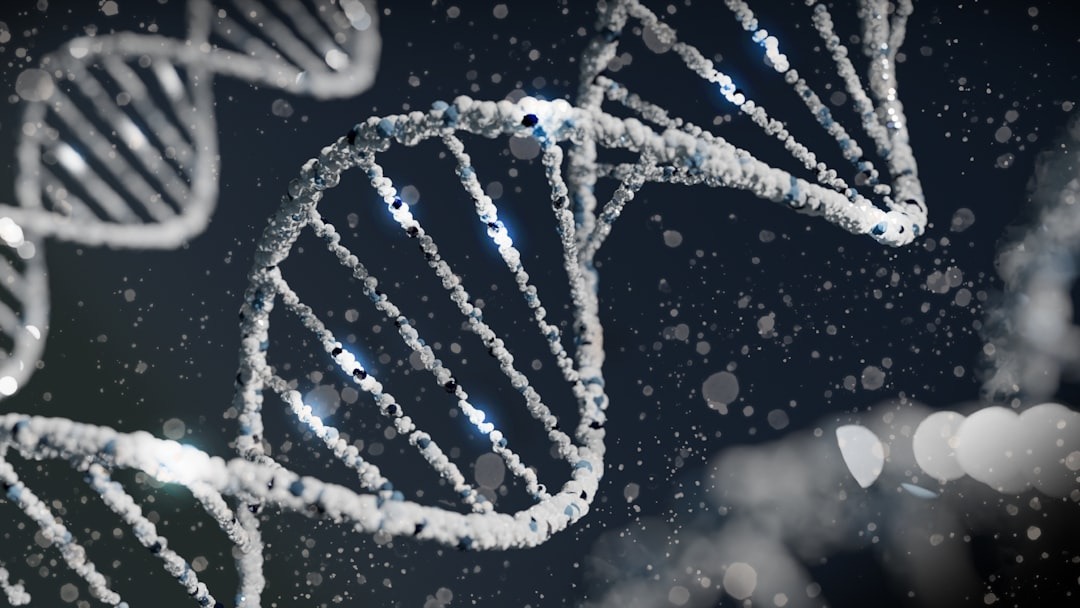
For decades, gene therapy lived on the edge of possibility. Scientists promised cures at the molecular level. Investors poured billions into biotech startups. Yet progress often felt incremental—punctuated by setbacks, safety concerns, and regulatory hesitation. Then, 2026 changed the tempo. This year marks a structural shift in how gene therapy is developed, delivered, and scaled.…
-
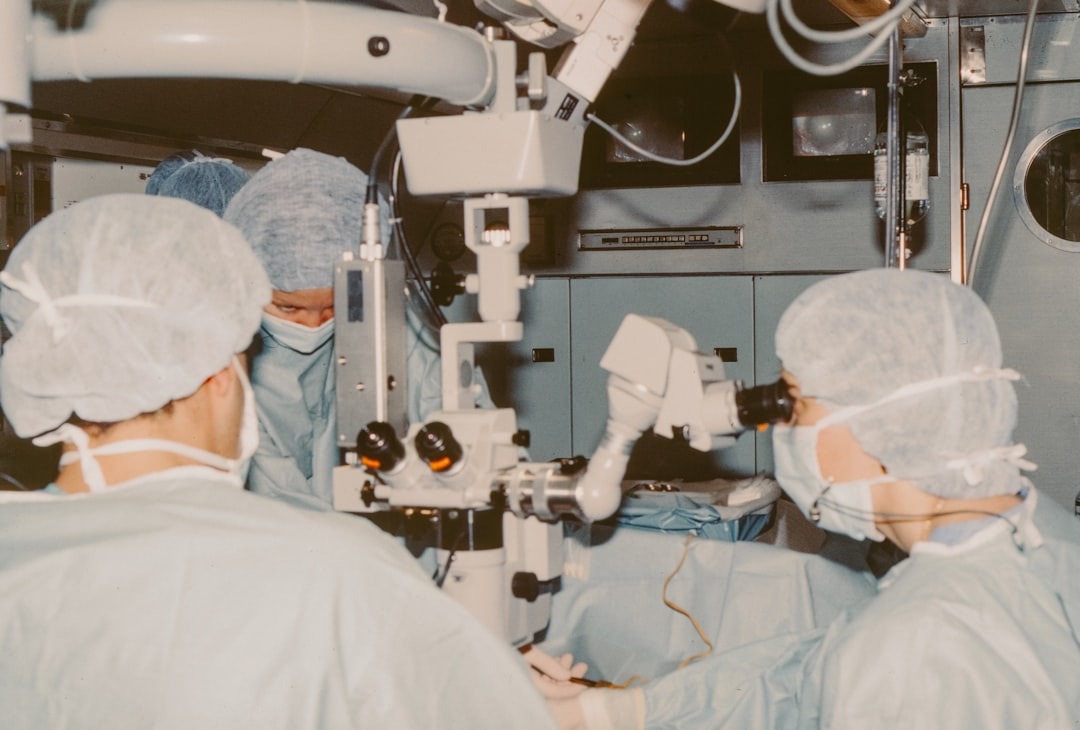
If you had told a surgeon twenty years ago that they could operate on a patient thousands of miles away, they would have called it science fiction. Today, it’s clinical reality. Remote surgery and robotic assistance are no longer experimental side projects inside elite research labs. Instead, they are rapidly becoming pillars of modern healthcare…
-

For most of the modern era, biotechnology and digital technology evolved in parallel. One decoded life. The other digitised information. However, that separation is rapidly dissolving. Today, DNA is treated like code. Cells are engineered like programmable systems. Drug discovery is accelerated by artificial intelligence. Biological data is processed in cloud-scale environments. In short, biotechnology…
-
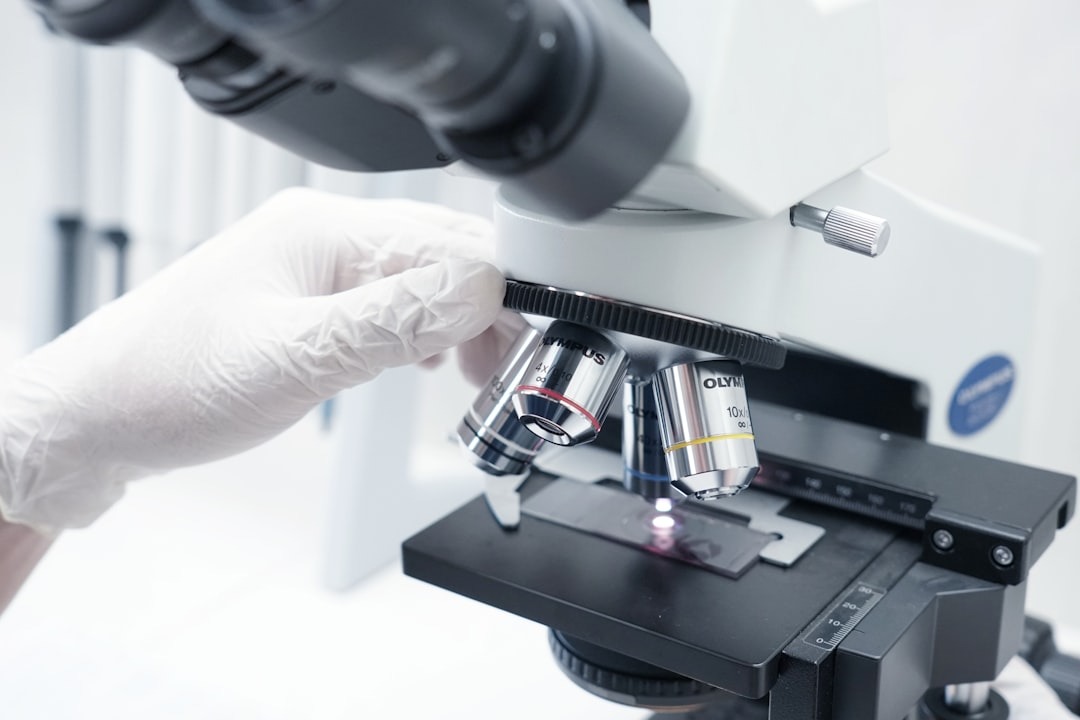
For most of modern history, biology and technology evolved along parallel tracks. Biology focuses on cells, organisms, and ecosystems. Technology centred on silicon, software, and systems. One studied life. The other engineered machines. Today, however, those boundaries are dissolving. Biotechnology and digital technology are rapidly merging—creating programmable biology, AI-driven drug discovery, bioengineered materials, and data-powered…
-
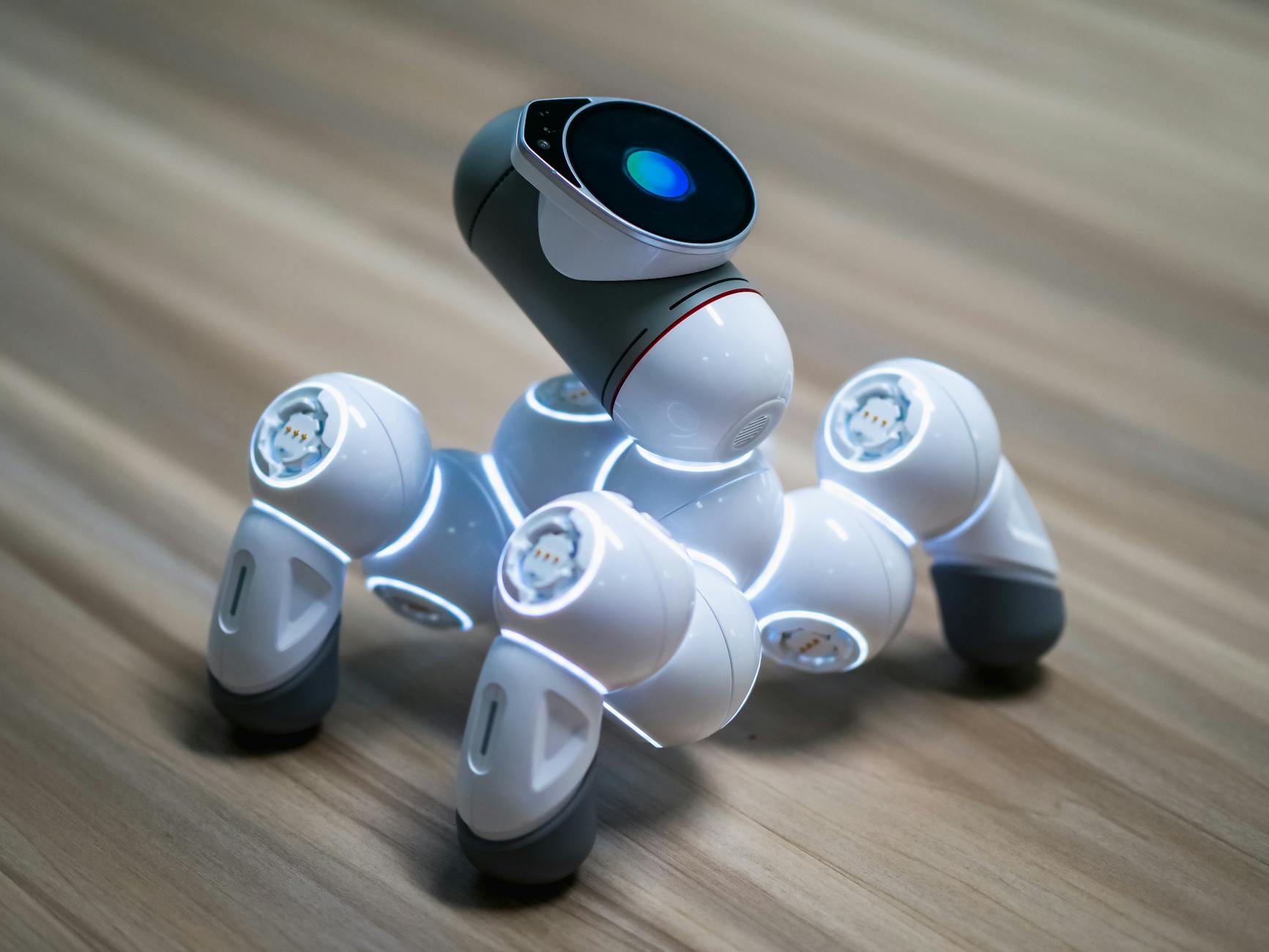
For centuries, industrial revolutions have been defined by materials. The Bronze Age reshaped tools and warfare. The Industrial Revolution accelerated with steel. The 20th century scaled on plastics and semiconductors. Now, however, a new class of materials is emerging—materials that respond, adapt, self-heal, and even think. Smart materials could power the next industrial shift. Unlike…
-
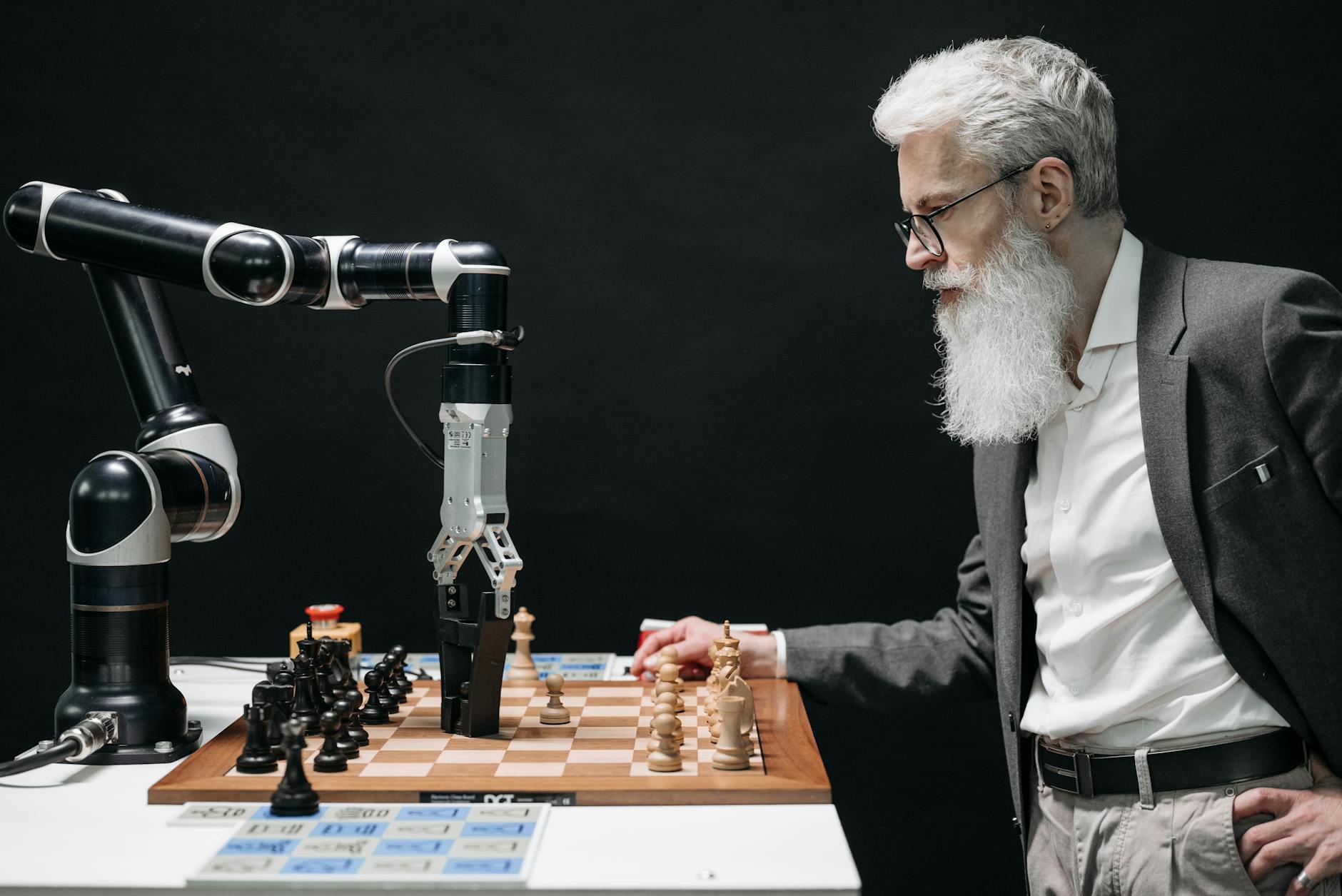
For decades, humans adapted to machines. We learned programming languages. We memorised keyboard shortcuts. We navigated rigid interfaces designed around hardware limitations. Now, however, the balance is shifting. Machines are adapting to us. The future of human-machine interaction (HMI) will not revolve solely around keyboards, touchscreens, or even smartphones. Instead, it will be shaped by…