
Tag: community
-

The global energy transition has a storage problem. Solar panels don’t produce electricity at night. Wind turbines don’t spin on command. Meanwhile, electric vehicles demand longer range, faster charging, and safer battery chemistry. As a result, the future of clean energy depends not just on generation — but on storage. In 2026, next-gen batteries and…
-

Clean technology is no longer a cottage industry limited to niche sustainability funds or CSR budgets. By 2026, clean tech will have become one of the most significant — and fastest-growing — sectors in global investment portfolios. As governments tighten climate policy, major corporations commit to net-zero targets, and consumers demand greener products, capital is…
-

For years, cloud migration sounded like an IT modernisation project reserved for large enterprises. Then reality intervened. Remote work expanded overnight, digital services scaled unpredictably, and customer expectations shifted permanently. Today, cloud migration is no longer optional — it defines how competitive, resilient, and innovative a business can become. However, many organisations still misunderstand what…
-

Artificial intelligence promised objectivity. Instead, it inherited our blind spots. Across industries—from healthcare and hiring to finance and criminal justice—predictive systems shape who gets loans, who receives medical care faster, and even who gets flagged as a risk. Yet despite advances in machine learning, AI bias and algorithmic fairness remain stubborn, systemic challenges. The uncomfortable…
-

For over a century, industrial growth has depended on fossil fuels and petrochemicals. Plastic, fuel, textiles, packaging—modern civilisation runs on carbon extracted from the ground. However, a new shift is underway. Instead of drilling for hydrocarbons, scientists are programming living cells to manufacture them. Synthetic biology is rapidly evolving from laboratory curiosity into industrial infrastructure.…
-

A tiny chip beneath the skin.A neural implant translating thoughts into movement.A cardiac device transmitting data to the cloud in real time. What once felt speculative now exists inside operating rooms—and increasingly, inside people. Implantable technology is advancing at a pace few predicted. Yet as these devices move from life-saving tools to lifestyle enhancements, one…
-
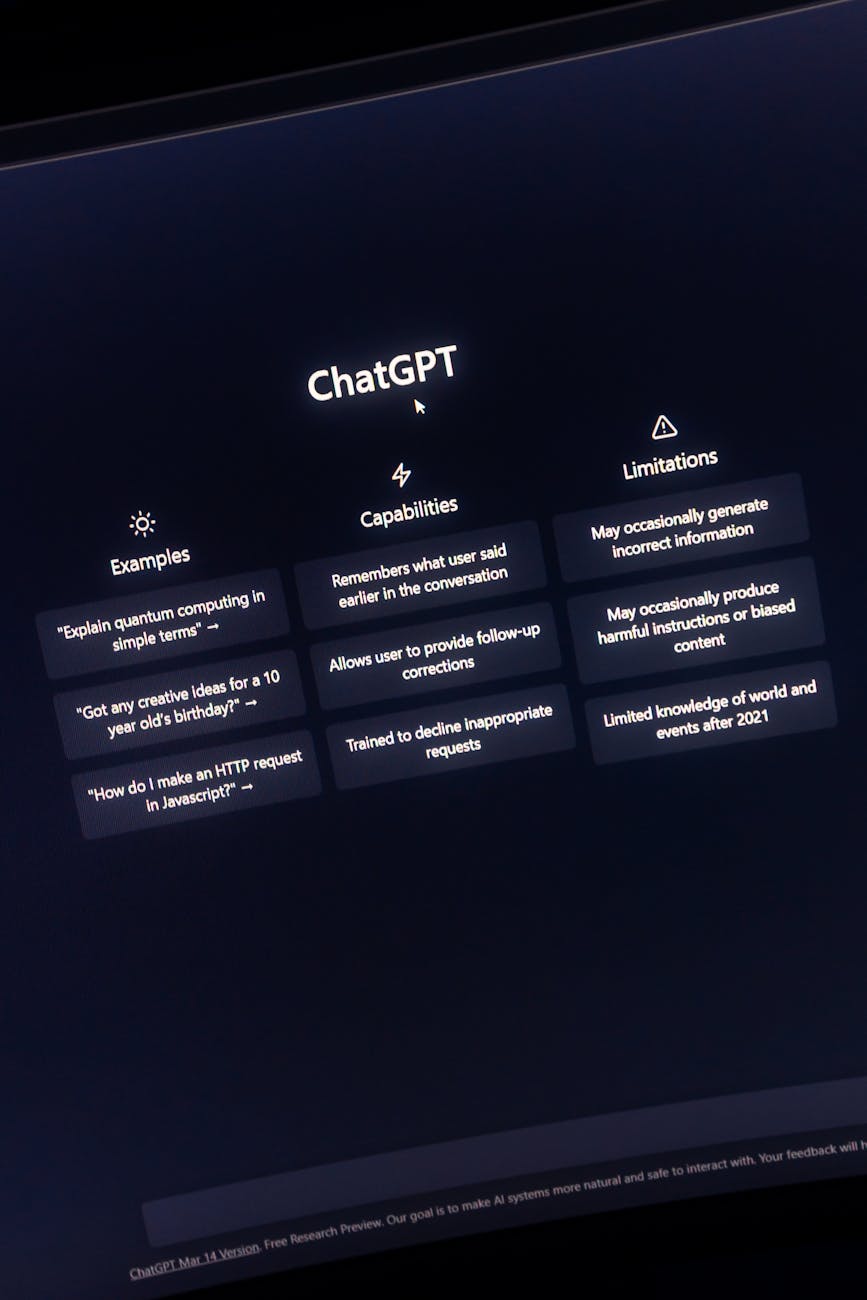
Artificial intelligence is everywhere. From generative chatbots to predictive healthcare systems, AI appears unstoppable. Companies invest billions. Governments race for dominance. Headlines promise transformation across every industry. However, beneath the excitement lies a quieter reality. Artificial intelligence has limits—technical, economic, ethical, and structural—that are rarely discussed with the same enthusiasm as breakthroughs. Understanding these limits…
-

For decades, space exploration moved at a deliberate pace. Launches were rare. Missions were state-controlled. Budgets were immense. Progress was steady—but slow. Today, however, space technology is advancing faster than almost anyone predicted. Reusable rockets land autonomously. Private companies deploy thousands of satellites annually. AI navigates spacecraft millions of miles from Earth. Human missions to…
-

For centuries, industrial revolutions have been defined by materials. The Bronze Age reshaped tools and warfare. The Industrial Revolution accelerated with steel. The 20th century scaled on plastics and semiconductors. Now, however, a new class of materials is emerging—materials that respond, adapt, self-heal, and even think. Smart materials could power the next industrial shift. Unlike…
-

In the past, software security was someone else’s problem. IT teams managed firewalls, patched servers, and monitored intrusion logs. Developers focused on features, deadlines, and functionality. Today, that separation has all but vanished. Cyberattacks are faster, more sophisticated, and more destructive than ever. From ransomware to supply chain compromises, vulnerabilities in code can cascade globally.…