
Tag: community
-
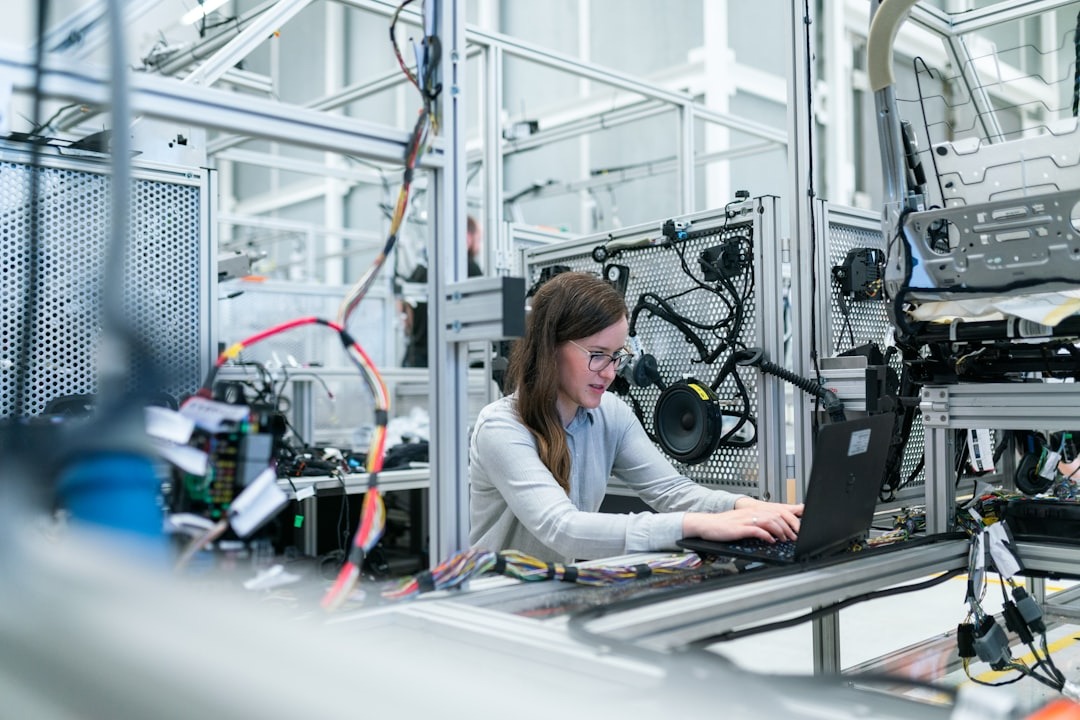
The next decade will not be remembered for a single breakthrough. Instead, history may look back on this period as the moment when multiple technologies matured simultaneously. Artificial intelligence is becoming more autonomous. Quantum computers are moving from research labs toward commercial applications. Robots are becoming more capable. Digital identities are replacing passwords. Meanwhile, connected…
-

The modern world is becoming more connected every day. Homes are smarter. Cars are more intelligent. Businesses rely on cloud systems. Wearable devices track our health and activities. Everywhere people go, digital systems are collecting, analysing, and exchanging information. This connected future promises convenience. However, it also introduces new risks that many people rarely consider.…
-

Augmented Reality: the next major computing device may not sit in your pocket. It may sit on your face. After years of smartphones dominating digital experiences, technology companies are exploring a new direction: augmented reality glasses. Unlike traditional screens, AR glasses aim to blend digital information with the physical world. Instead of looking down at…
-

Every major technology shift creates a new generation of companies. The internet created online marketplaces. Mobile computing created app-based businesses. Cloud computing transformed enterprise software. Now, artificial intelligence is creating another wave of disruption. This time, the winners may not be companies adding AI features to existing products. Instead, they may be companies built entirely…
-

Imagine a factory that can predict a machine failure before it happens. Technology? Imagine a city that can simulate traffic changes before building new roads. Imagine a hospital that can create a virtual model of a patient to improve treatment decisions. This is no longer science fiction. It is the promise of digital twin technology.…
-

The smartphone changed everything. It replaced cameras, maps, music players, wallets, and even desktop computers for millions of people. For more than a decade, the smartphone has been the centre of digital life. However, technology rarely stays still. Now, a new question is emerging across the industry: What comes after the smartphone? Major technology companies…
-

Smart homes are no longer a futuristic concept—they are now a part of everyday life. From smart TVs and voice assistants to connected door locks and security cameras, the Internet of Things (IoT) is transforming how we live. But as convenience increases, so do the risks. In 2026, IoT security has become a critical concern,…
-

Blockchain technology has revolutionised finance, ownership, and digital trust—but it comes with a growing concern: its environmental impact. As adoption accelerates, critics argue that blockchain—especially certain cryptocurrencies—consumes vast amounts of energy, raising questions about sustainability in a climate-conscious world. In 2026, the conversation is no longer just about innovation. It’s about whether blockchain can evolve…
-
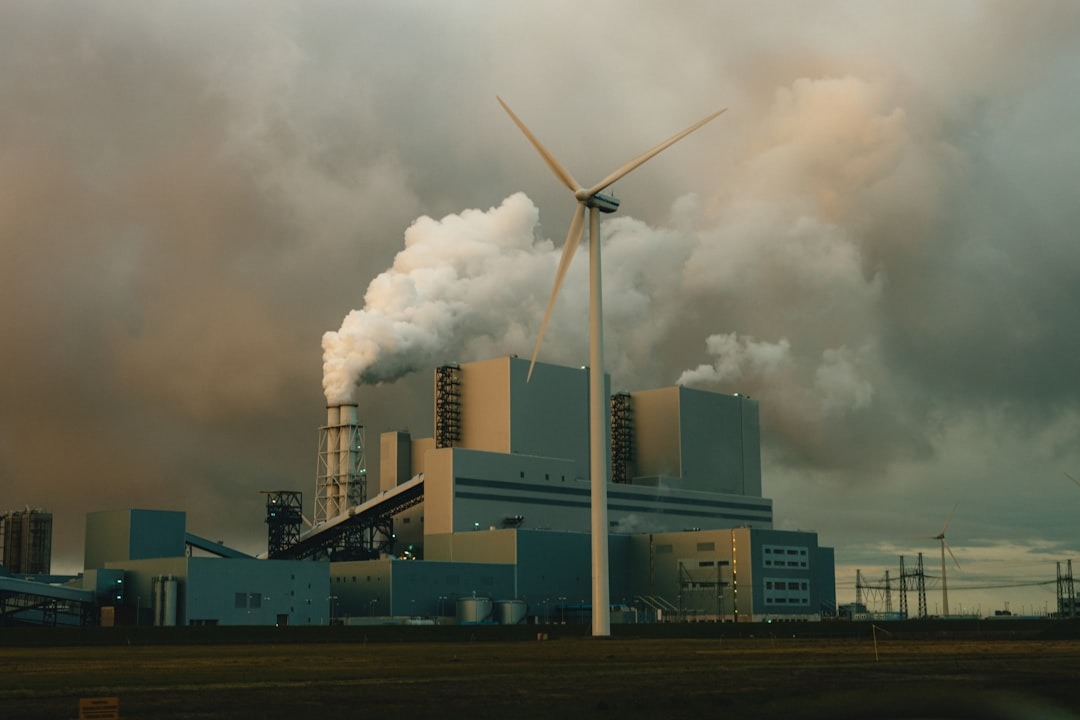
In 2026, nearly every major tech company claims to be “carbon neutral.” However, neutrality has become a slippery word. Behind bold sustainability pledges lie carbon offset portfolios, renewable energy credits, reforestation partnerships, and direct air capture investments. Some of these efforts are measurable and transformative. Others are vague, unverifiable, and suspiciously convenient. The question is…
-
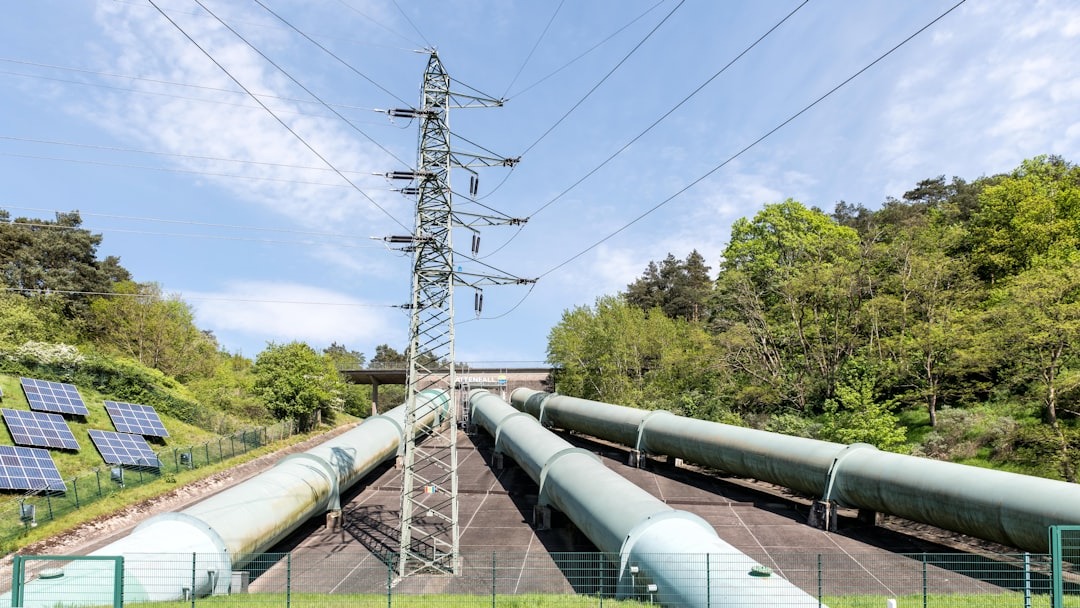
Hydrogen has been called the fuel of the future for decades. In 2026, it is finally becoming a strategic priority. Governments, energy companies, and industrial giants are publishing detailed renewable hydrogen roadmaps — not as theoretical documents, but as executable national and regional strategies. The reason is simple: some sectors cannot be electrified easily. Heavy…