
Tag: community
-

For decades, space exploration moved at a deliberate pace. Launches were rare. Missions were state-controlled. Budgets were immense. Progress was steady—but slow. Today, however, space technology is advancing faster than almost anyone predicted. Reusable rockets land autonomously. Private companies deploy thousands of satellites annually. AI navigates spacecraft millions of miles from Earth. Human missions to…
-

For centuries, industrial revolutions have been defined by materials. The Bronze Age reshaped tools and warfare. The Industrial Revolution accelerated with steel. The 20th century scaled on plastics and semiconductors. Now, however, a new class of materials is emerging—materials that respond, adapt, self-heal, and even think. Smart materials could power the next industrial shift. Unlike…
-

In the past, software security was someone else’s problem. IT teams managed firewalls, patched servers, and monitored intrusion logs. Developers focused on features, deadlines, and functionality. Today, that separation has all but vanished. Cyberattacks are faster, more sophisticated, and more destructive than ever. From ransomware to supply chain compromises, vulnerabilities in code can cascade globally.…
-

In 1998, a group of developers rebranded “free software” as open source to make it more palatable to the corporate world. Nearly three decades later, the irony is unmistakable: the very companies that once dismissed open source now depend on it to survive. From Linux powering cloud infrastructure to Kubernetes orchestrating containers at a global…
-

For decades, software creation belonged to a narrow group. If you couldn’t code, you couldn’t build. Ideas waited for developers. Innovation is bottlenecked at technical scarcity. That era is ending. No-code tools are not merely simplifying software development—they are redistributing creative power across organisations, industries, and geographies. And increasingly, the results aren’t side projects. They’re…
-

A decade ago, scaling a software company meant years of infrastructure planning, sales headcount expansion, and regional rollouts. Today, some SaaS companies reach millions of users before competitors even notice they exist. This acceleration didn’t happen by accident. It emerged from a convergence of cloud computing, usage-based economics, data-driven product design, and frictionless global distribution.…
-

Data used to sit quietly in filing cabinets. Today, it moves faster than laws, borders, and sometimes even intent. Every click, swipe, biometric scan, and location ping feeds an economy built not just on information—but on prediction. That shift explains why data privacy is no longer a niche legal issue. It’s a global concern touching…
-
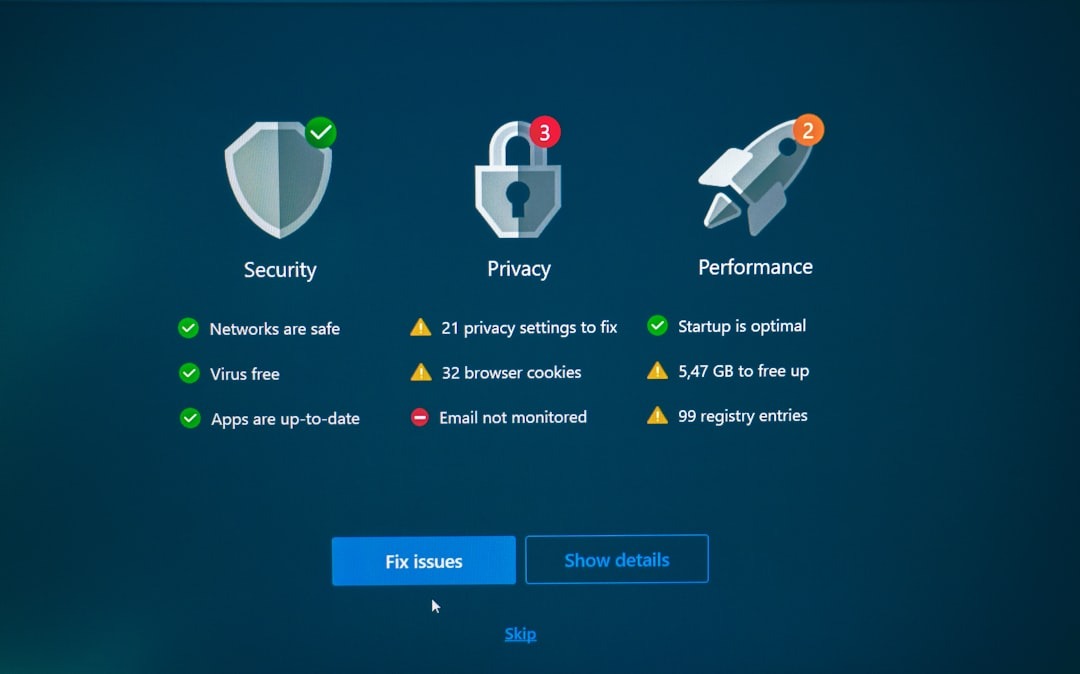
Cybersecurity no longer fails in spectacular explosions. Instead, it erodes quietly—through compromised credentials, poisoned data, and systems that keep running even after attackers slip inside. That subtlety defines the most dangerous cyber threats right now. For years, security teams focused on perimeter defence. However, the modern threat landscape ignores perimeters entirely. Attackers now move laterally,…
-

For years, 5G was marketed as a revolution that would arrive with fireworks. Instead, its real impact crept in quietly—woven into everyday experiences most people barely notice. That subtlety, however, doesn’t make it any less transformative. In fact, it’s precisely because 5G fades into the background that its influence now runs so deep. Unlike previous…
-

At its peak, Web3 didn’t just promise better technology.It promised escape. Escape from Big Tech platforms. Escape from centralized control. Escape from business models built on surveillance and extraction. The pitch sounded almost utopian: an internet owned by users, governed by code, and powered by decentralized networks instead of corporate gatekeepers. A few years later,…