
Tag: community
-
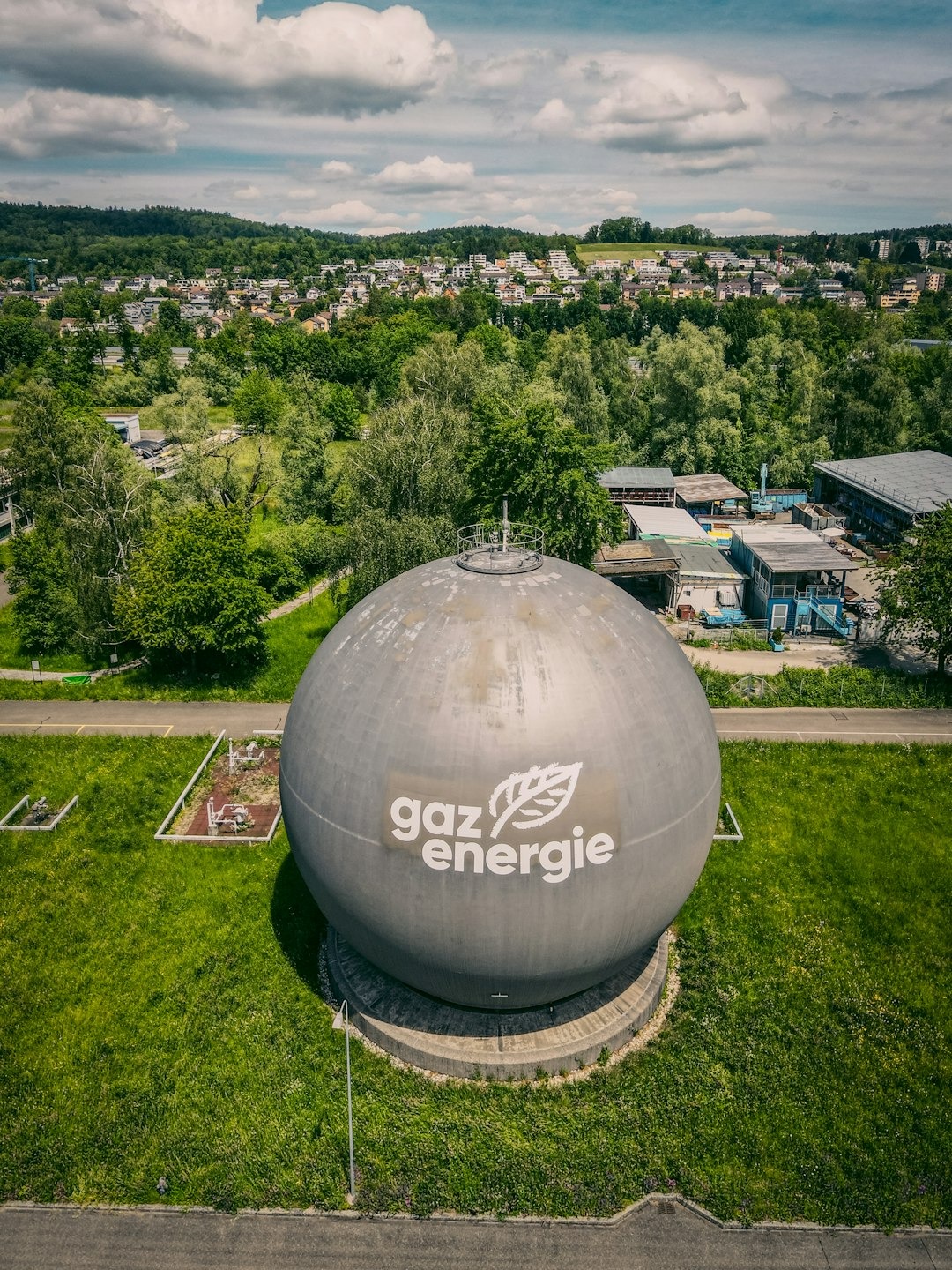
Hydrogen has been called the fuel of the future for decades. In 2026, it is finally becoming a strategic priority. Governments, energy companies, and industrial giants are publishing detailed renewable hydrogen roadmaps — not as theoretical documents, but as executable national and regional strategies. The reason is simple: some sectors cannot be electrified easily. Heavy…
-
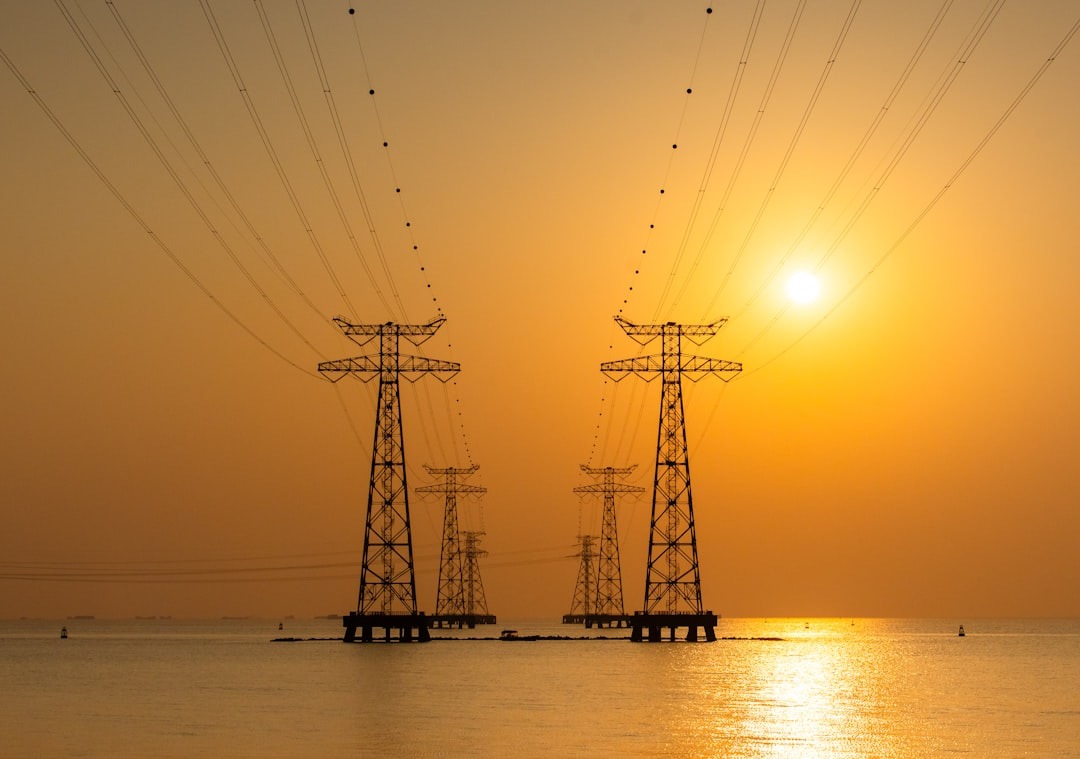
The global energy transition has a balancing problem. Renewable energy is expanding rapidly. Solar and wind capacity continue to break records. Electric vehicles are plugging into the grid in unprecedented numbers. At the same time, AI-powered data centres are drawing enormous electricity loads. Yet power demand doesn’t move in straight lines. It spikes. It dips.…
-

Every click, stream, search, and AI prompt runs through a data centre. Yet while the digital economy feels weightless, the infrastructure behind it is anything but. Data centres consume massive amounts of electricity, require advanced cooling systems, and operate 24/7 without pause. As artificial intelligence, cloud computing, and streaming services expand rapidly, energy demand from…
-

The global energy transition has a storage problem. Solar panels don’t produce electricity at night. Wind turbines don’t spin on command. Meanwhile, electric vehicles demand longer range, faster charging, and safer battery chemistry. As a result, the future of clean energy depends not just on generation — but on storage. In 2026, next-gen batteries and…
-

Clean technology is no longer a cottage industry limited to niche sustainability funds or CSR budgets. By 2026, clean tech will have become one of the most significant — and fastest-growing — sectors in global investment portfolios. As governments tighten climate policy, major corporations commit to net-zero targets, and consumers demand greener products, capital is…
-

For years, cloud migration sounded like an IT modernisation project reserved for large enterprises. Then reality intervened. Remote work expanded overnight, digital services scaled unpredictably, and customer expectations shifted permanently. Today, cloud migration is no longer optional — it defines how competitive, resilient, and innovative a business can become. However, many organisations still misunderstand what…
-

Artificial intelligence promised objectivity. Instead, it inherited our blind spots. Across industries—from healthcare and hiring to finance and criminal justice—predictive systems shape who gets loans, who receives medical care faster, and even who gets flagged as a risk. Yet despite advances in machine learning, AI bias and algorithmic fairness remain stubborn, systemic challenges. The uncomfortable…
-

For over a century, industrial growth has depended on fossil fuels and petrochemicals. Plastic, fuel, textiles, packaging—modern civilisation runs on carbon extracted from the ground. However, a new shift is underway. Instead of drilling for hydrocarbons, scientists are programming living cells to manufacture them. Synthetic biology is rapidly evolving from laboratory curiosity into industrial infrastructure.…
-

A tiny chip beneath the skin.A neural implant translating thoughts into movement.A cardiac device transmitting data to the cloud in real time. What once felt speculative now exists inside operating rooms—and increasingly, inside people. Implantable technology is advancing at a pace few predicted. Yet as these devices move from life-saving tools to lifestyle enhancements, one…
-
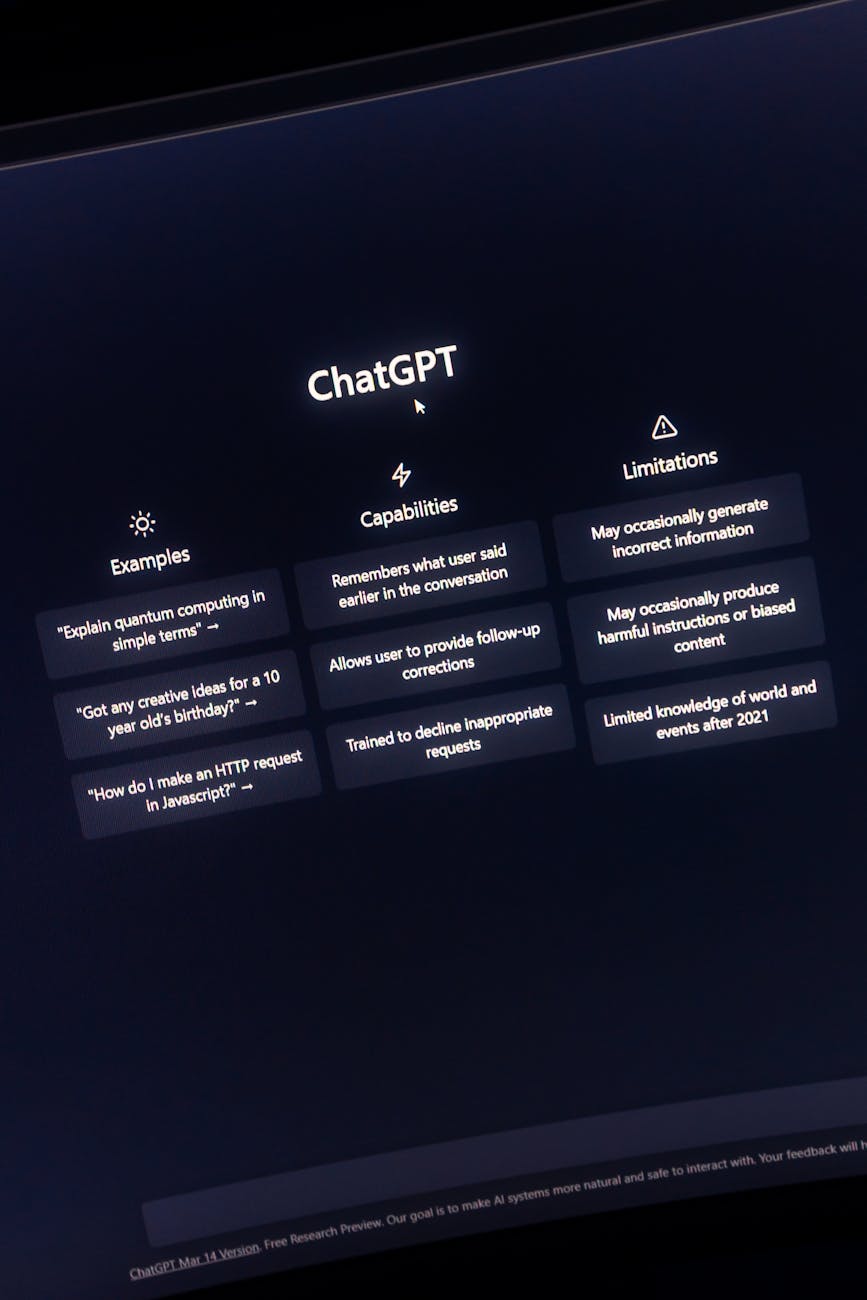
Artificial intelligence is everywhere. From generative chatbots to predictive healthcare systems, AI appears unstoppable. Companies invest billions. Governments race for dominance. Headlines promise transformation across every industry. However, beneath the excitement lies a quieter reality. Artificial intelligence has limits—technical, economic, ethical, and structural—that are rarely discussed with the same enthusiasm as breakthroughs. Understanding these limits…