
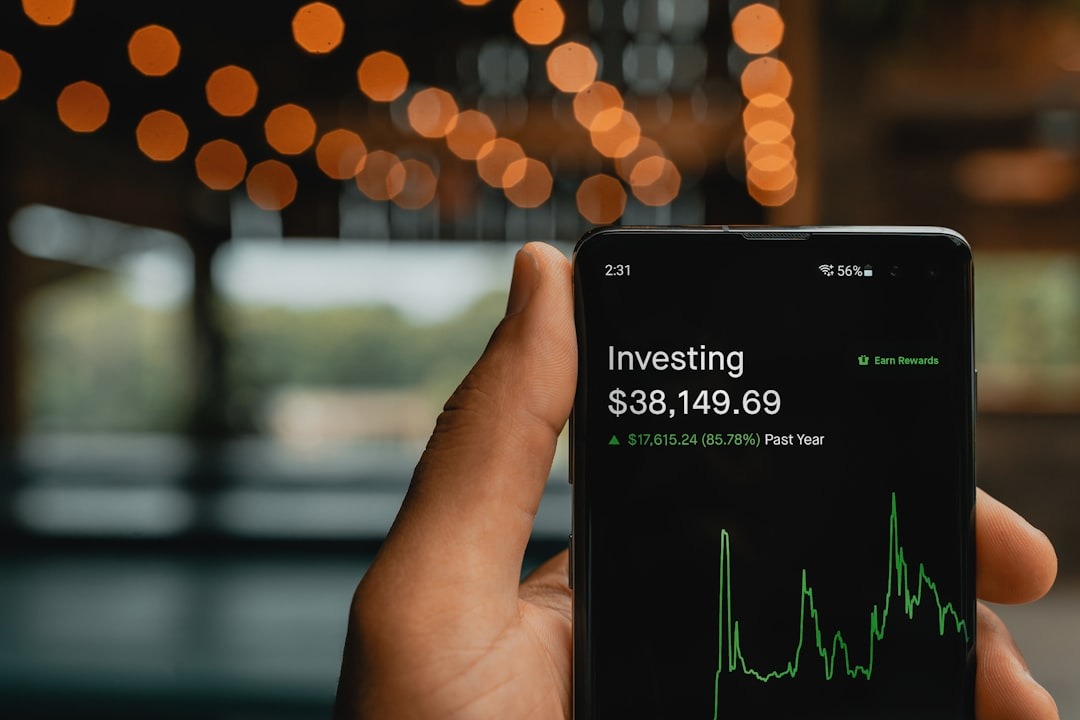
Capital Is Now a Strategic Force
Venture capital has always played a role in technology. However, today its influence is deeper, broader, and more complex than ever before.
In the past, venture capital primarily helped startups get off the ground. Now, it helps decide which ideas receive oxygen — and which quietly disappear.
As a result, venture capital is no longer just a financial mechanism. Instead, it has become a structural force shaping the direction of the tech industry itself.
Understanding how this shift works is essential for founders, investors, and anyone trying to understand modern technology trends.
First, Venture Capital Accelerates Innovation at Scale
At its best, venture capital acts as a powerful accelerator.
By providing funding early, VC firms allow startups to:
- Hire talent quickly
- Build products faster
- Enter markets aggressively
As a result, ideas that once took years to develop can now reach global scale in a fraction of the time.
Moreover, venture capital absorbs risk that traditional institutions avoid. Because of this, experimental technologies — from AI to biotech — are able to exist at all.
Why Innovation Is Moving Faster Than Ever
Meanwhile, Capital Shapes What Gets Built
However, venture capital does more than accelerate — it directs.
Because investors seek returns, funding often flows toward:
- Large addressable markets
- Scalable business models
- Software over hardware
- Platforms over niche solutions
Consequently, entire categories of technology receive more attention — while others struggle to attract capital.
This dynamic quietly shapes the tech landscape long before consumers see the results.
At the Same Time, Startups Are Built for Scale From Day One
Because venture-backed startups are expected to grow rapidly, they are designed for scale early.
This influences:
- Product architecture
- Hiring strategy
- Go-to-market plans
Instead of optimizing for sustainability at small scale, many startups optimize for hypergrowth.
As a result, venture capital changes not just what startups build — but how they build it.
How Tech Startups Turn Ideas Into Real Products
Meanwhile, Competition Intensifies Across the Industry
When capital floods a sector, competition increases quickly.
Multiple startups often pursue similar ideas simultaneously, each racing to:
- Capture market share
- Raise the next funding round
- Establish brand dominance
As a result, markets consolidate faster.
While some companies emerge stronger, many others disappear — not because their ideas were flawed, but because capital favored different execution paths.
Additionally, Venture Capital Influences Company Culture
Funding shapes culture — whether founders realize it or not.
Venture-backed companies often operate under:
- Aggressive growth targets
- Performance-driven incentives
- Shorter time horizons
While this pressure fuels innovation, it can also:
- Increase burnout
- Encourage risk-taking
- Deprioritize long-term thinking
Therefore, venture capital indirectly influences how people work — not just what they build.
At the Same Time, Valuations Are Redefining Success
In today’s tech industry, success is often measured by valuation rather than profitability.
This shift exists largely because of venture capital dynamics.
High valuations:
- Attract talent
- Enable further fundraising
- Create media attention
However, they also raise expectations.
As a result, startups face intense pressure to grow into valuations — sometimes at the expense of fundamentals.
From Seed to IPO: How Startup Funding Really Works
Meanwhile, Venture Capital Shapes Exit Outcomes
Venture-backed startups are typically built with exits in mind.
As a result, decisions are influenced by:
- Acquisition potential
- IPO readiness
- Strategic partnerships
Interestingly, this means that many startups optimize for investor exits, not necessarily long-term independence.
While this strategy can generate massive value, it also narrows the range of possible outcomes.
However, Venture Capital Is Becoming More Selective
In recent years, venture capital has become more disciplined.
Instead of funding growth at any cost, many investors now prioritize:
- Clear paths to revenue
- Strong unit economics
- Operational efficiency
As a result, startups must demonstrate real progress — not just compelling narratives.
This shift is reshaping founder behavior and startup strategy across the industry.
Meanwhile, New VC Models Are Emerging
Traditional venture capital is no longer the only option.
Today’s ecosystem includes:
- Angel syndicates
- Corporate venture arms
- Rolling funds
- Revenue-based financing
Because of this diversification, founders have more choices — but also more complexity.
Choosing the right capital has become as important as raising it.
At the Same Time, Venture Capital Shapes Global Tech Power
Venture capital flows are increasingly global.
Investment decisions influence:
- Which regions become tech hubs
- Where talent migrates
- Which markets innovate fastest
As a result, venture capital is shaping not just companies — but entire economies.
However, Venture Capital Is Not Without Criticism
Despite its benefits, venture capital faces real criticism.
Concerns include:
- Overemphasis on growth
- Underrepresentation of certain founders
- Short-term incentives
These criticisms are driving conversations around alternative funding models and more inclusive investment practices.
Looking Ahead: Venture Capital as a Design Force
Venture capital is no longer a background player.
It actively designs:
- The pace of innovation
- The structure of startups
- The future of entire industries
As technology becomes more central to society, the influence of capital will only grow.

Final Thoughts
Venture capital has reshaped the tech industry — not by accident, but by design.
It accelerates innovation, directs attention, intensifies competition, and defines success.
Understanding this influence is critical for founders, investors, and anyone trying to understand how technology evolves.In today’s tech ecosystem, capital is not just fuel — it is architecture.
-

Dangote Refinery IPO at ₦525: What Investors Need to Know
Nigeria’s capital market is approaching one of its most closely watched corporate transactions as Dangote Petroleum Refinery and Petrochemicals FZE prepares to offer shares to the public at…
Blog categories
- 5G
- AI
- Anthropic
- APIs
- Apple
- Assistive Technology
- Augmented Reality
- Automation
- Autonomous Agents
- Bioinformations
- Biotechnology
- blockchain
- Browser
- Business
- Capital
- climate
- Cloud computing
- collaboration
- cross-platform
- cryptocurrency
- Cryptovoxels
- Customer support
- Cyber Threat
- cybersecurity
- Data
- Data Engineering
- Decentraland
- Defi
- Digital Accessibility
- digital transformation
- Energy
- Engine
- Esports
- EVs
- Finance
- Fintech
- Gaming
- Gene Therapy
- GitHub
- GitOps
- Governments
- Healthcare
- Industry
- Investment
- Machine Learning
- medicine
- metaverse
- Modern Framework
- Modern Technology
- nanotechnology
- No-code
- Nvidia
- Open Source
- OpenAI
- PalmPay
- Programming
- Quantum AI
- Quantum Computing
- Qubits
- Ransomware
- Renewable Hydrogen
- Robotics
- Saas
- sandbox
- Serverless
- Smart Homes
- Smartphone
- software
- Software Security
- Space Technology
- Stablecoins
- Startups
- streaming
- Supply chain
- Surgery
- Tech Trends
- technews
- Technology
- Tokenization
- Uber
- Uncategorized
- Voice Assistants
- web3
-

Blockchain and Digital Identity
Every day, people prove who they are online. They log into banking apps. They access government portals. They verify payments. They…
-

Can Blockchain Secure Elections?
Every election depends on one essential principle: trust. Citizens must believe that every eligible vote is counted accurately, protected from tampering,…
-

How Governments Are Using Blockchain
Blockchain is gradually moving from cryptocurrency headlines into public administration. Around the world, governments are exploring how distributed ledger technology can…
-

Technologies That Will Define the Next Decade
The next decade will not be remembered for a single breakthrough. Instead, history may look back on this period as the…
-

The Race to Build Artificial General Intelligence
Silicon Valley has entered a new arms race. This time, the competition is not about smartphones, cloud computing, or social media.…
-

The Risks of a Fully Connected World
The modern world is becoming more connected every day. Homes are smarter. Cars are more intelligent. Businesses rely on cloud systems.…
-

The Silent Cybersecurity Crisis
Some of the biggest cybersecurity threats do not make headlines. There is no dramatic system shutdown. No obvious warning. No visible…
-

The Next Tech Bubble: What Investors Need
Every major technology revolution creates excitement. New companies emerge. Investors rush in. Markets rise quickly. However, history shows that extraordinary innovation…
-

The Future of Augmented Reality Glasses
Augmented Reality: the next major computing device may not sit in your pocket. It may sit on your face. After years…
-

10 Technologies That Will Change the World
The next technological revolution will not be defined by a single invention. Instead, it will come from the combination of several…

Leave a Reply