
Category: Automation
-
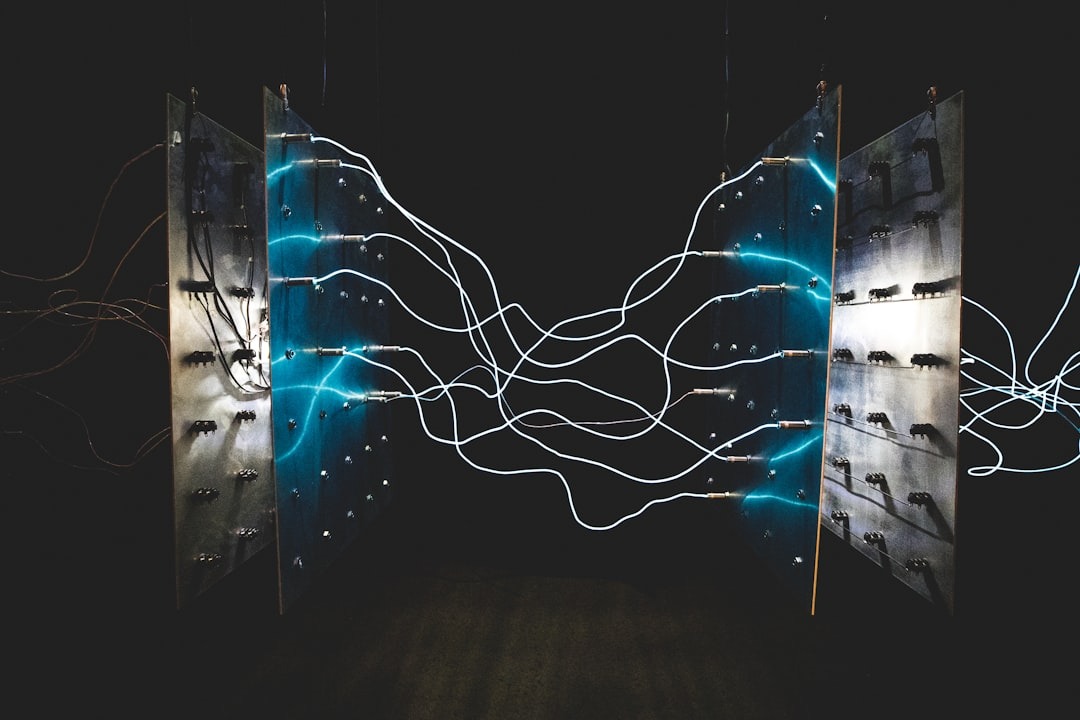
The global energy transition has a storage problem. Solar panels don’t produce electricity at night. Wind turbines don’t spin on command. Meanwhile, electric vehicles demand longer range, faster charging, and safer battery chemistry. As a result, the future of clean energy depends not just on generation — but on storage. In 2026, next-gen batteries and…
-
Humanity’s climate challenge is vast and complex. Rising temperatures, changing weather patterns, biodiversity loss, and carbon emissions don’t follow tidy equations. Traditional models struggle to deliver reliable forecasts at the scale policymakers need. Enter artificial intelligence. AI isn’t just speeding up climate analysis — it’s reshaping how the world understands, predicts, and responds to environmental…
-

Digital-first has become more than a slogan. It’s a strategic imperative that separates companies thriving in volatile markets from those struggling to stay relevant. In 2025, enterprises realised that digital transformation isn’t just about adopting new tools—it’s about rethinking how businesses operate, innovate, and deliver value from the ground up. Today’s digital-first organisations are redefining…
-

For years, cloud migration sounded like an IT modernisation project reserved for large enterprises. Then reality intervened. Remote work expanded overnight, digital services scaled unpredictably, and customer expectations shifted permanently. Today, cloud migration is no longer optional — it defines how competitive, resilient, and innovative a business can become. However, many organisations still misunderstand what…
-
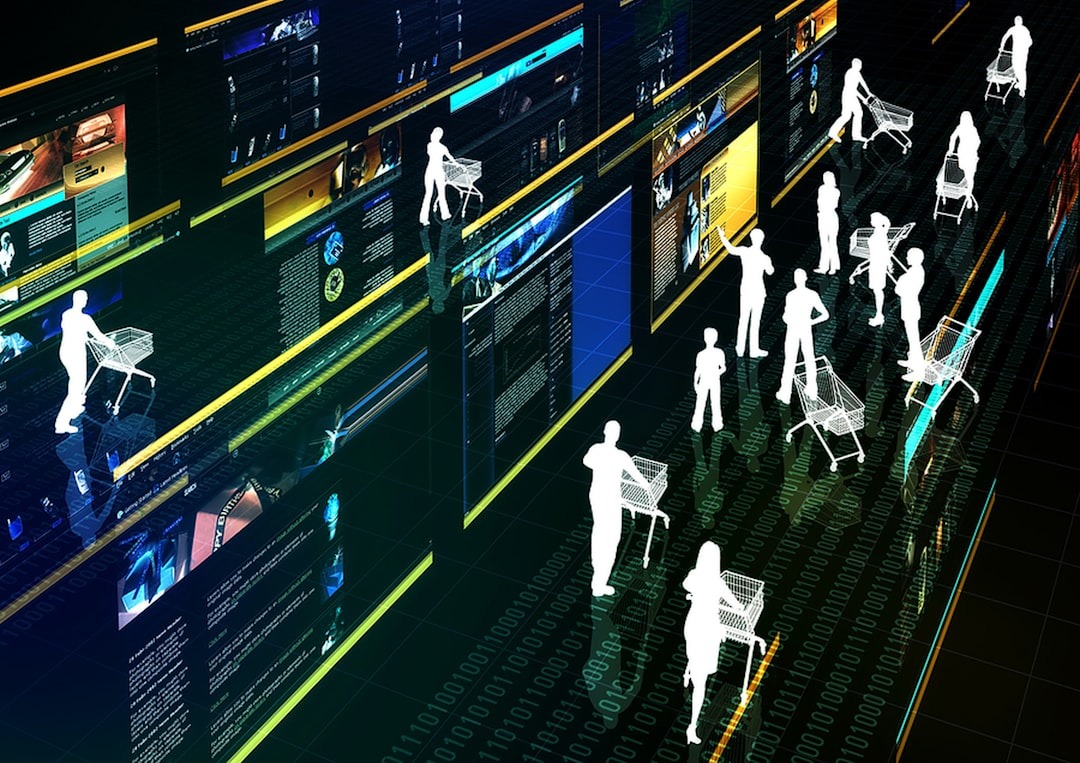
In 2025, digital transformation stopped being a corporate buzzword and became a measurable survival strategy. Across industries, organisations discovered that adopting technology alone was not enough. Instead, success depended on how deeply digital systems reshaped operations, decision-making, and customer engagement. As businesses move further into an AI-driven economy, the lessons learned from 2025 are now…
-

Artificial intelligence promised objectivity. Instead, it inherited our blind spots. Across industries—from healthcare and hiring to finance and criminal justice—predictive systems shape who gets loans, who receives medical care faster, and even who gets flagged as a risk. Yet despite advances in machine learning, AI bias and algorithmic fairness remain stubborn, systemic challenges. The uncomfortable…
-
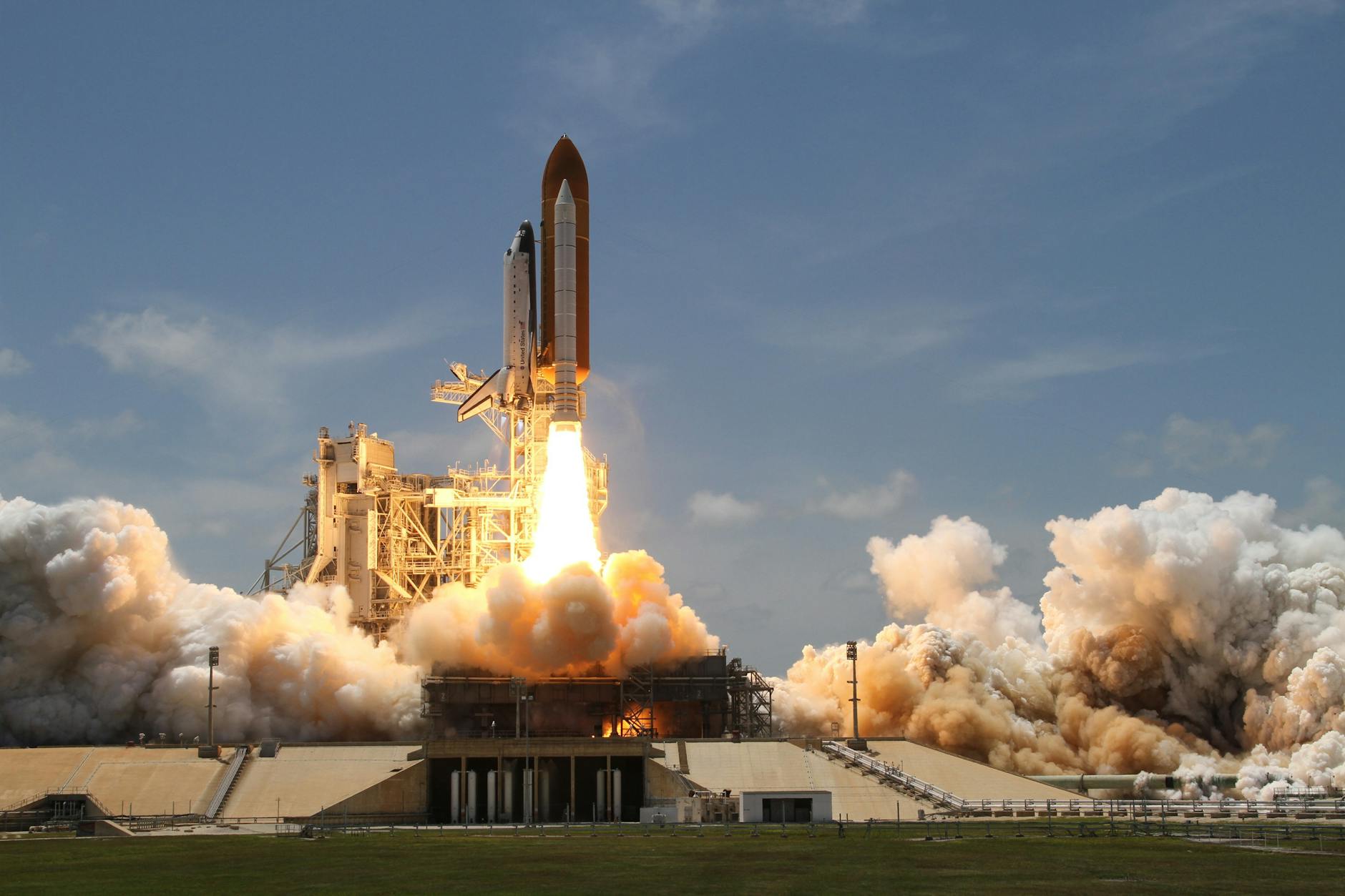
For decades, space exploration moved at a deliberate pace. Launches were rare. Missions were state-controlled. Budgets were immense. Progress was steady—but slow. Today, however, space technology is advancing faster than almost anyone predicted. Reusable rockets land autonomously. Private companies deploy thousands of satellites annually. AI navigates spacecraft millions of miles from Earth. Human missions to…
-
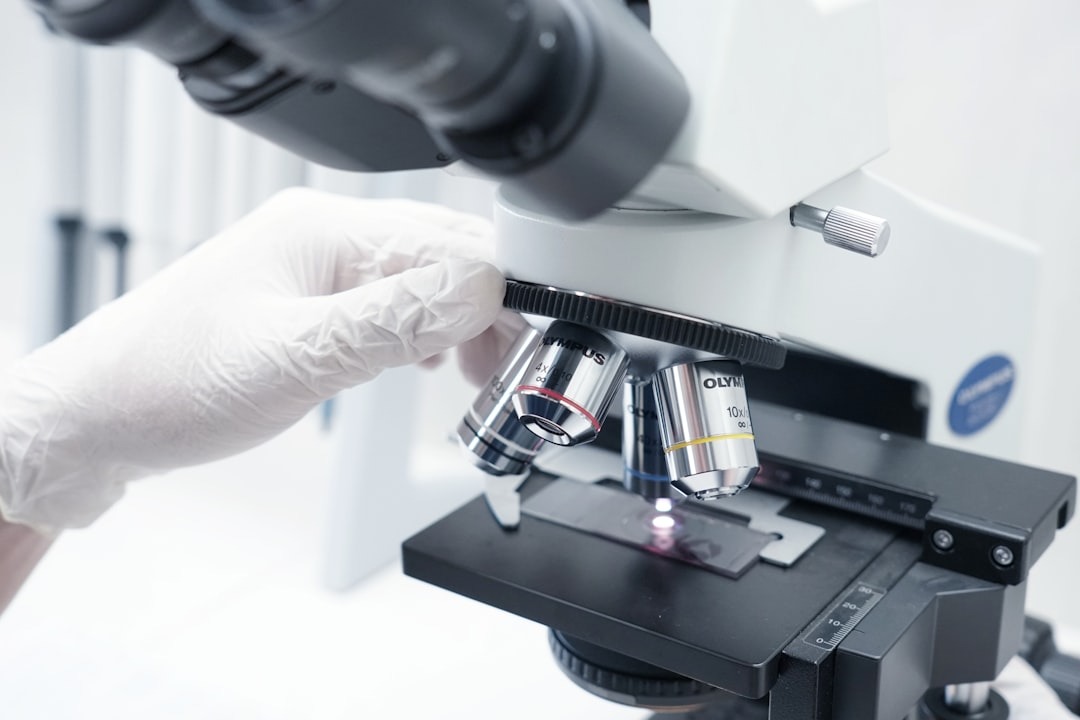
For most of modern history, biology and technology evolved along parallel tracks. Biology focuses on cells, organisms, and ecosystems. Technology centred on silicon, software, and systems. One studied life. The other engineered machines. Today, however, those boundaries are dissolving. Biotechnology and digital technology are rapidly merging—creating programmable biology, AI-driven drug discovery, bioengineered materials, and data-powered…
-
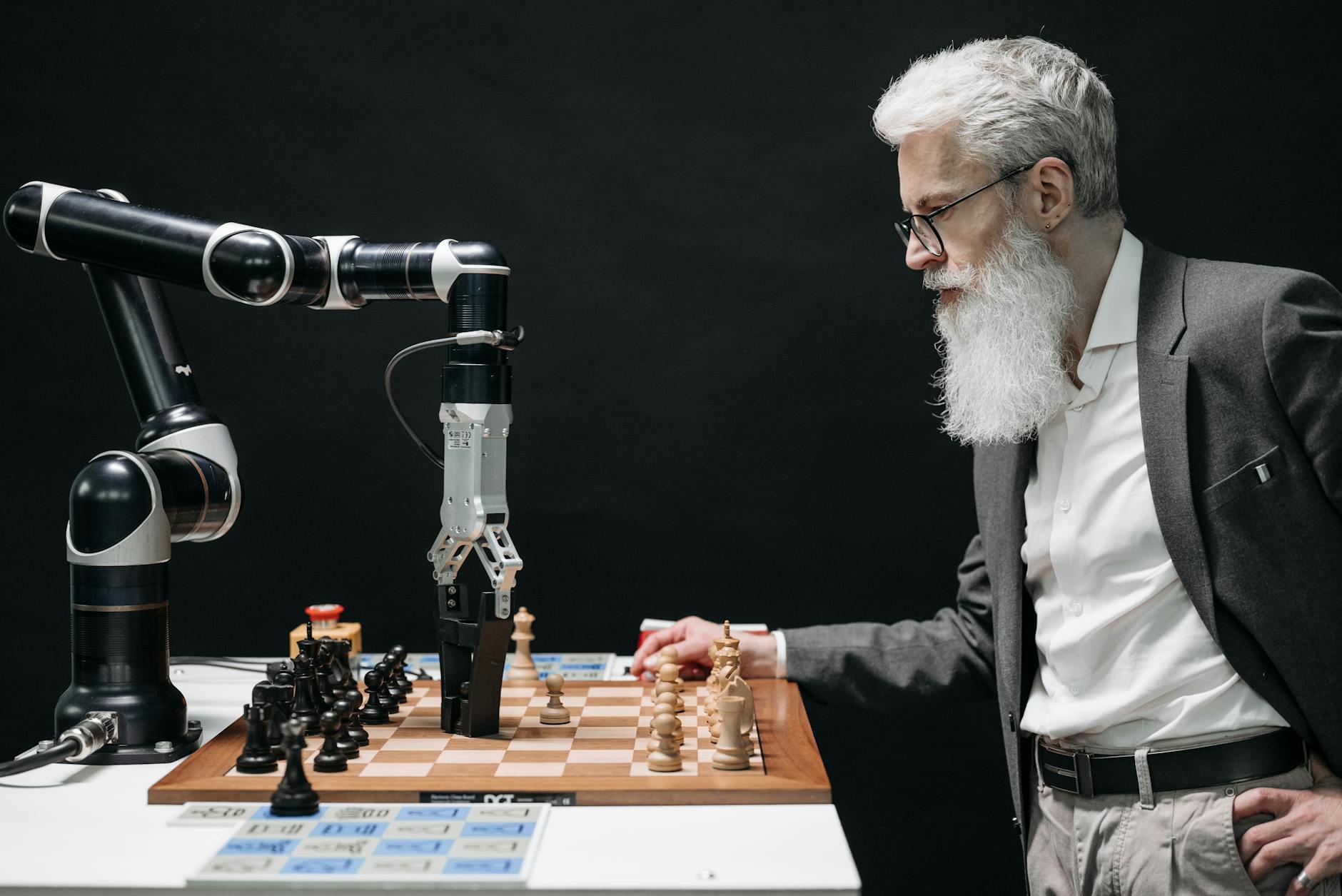
For decades, humans adapted to machines. We learned programming languages. We memorised keyboard shortcuts. We navigated rigid interfaces designed around hardware limitations. Now, however, the balance is shifting. Machines are adapting to us. The future of human-machine interaction (HMI) will not revolve solely around keyboards, touchscreens, or even smartphones. Instead, it will be shaped by…
-
Cybersecurity has always been a race between attackers and defenders. Historically, humans designed defences and responded to breaches manually. Today, artificial intelligence is tilting that balance. AI isn’t just a defensive tool—it’s becoming a force multiplier for cybersecurity teams, capable of detecting anomalies, predicting threats, and responding faster than any human could. At the same…