
Tag: media
-

Apple has officially entered a new leadership era. On September 1, 2026, John Ternus became Apple’s new CEO, succeeding Tim Cook after 15 years at the helm of one of the world’s most valuable technology companies. Cook is not leaving Apple entirely. Instead, he has moved into the role of executive chairman of Apple’s board,…
-

Ambient computing is emerging as one of the most important shifts in how people interact with technology. For years, using a computer meant sitting in front of a screen. Then smartphones changed the model by putting computing into our pockets. Now, another transition is underway. Technology is beginning to move into the background. Instead of…
-
Battery technology breakthroughs are becoming just as important as advances in processors, artificial intelligence, and renewable energy. The reason is simple: almost every major technology trend depends on better energy storage. Electric vehicles need batteries that charge faster and travel farther. Smartphones need longer battery life without becoming heavier. Data centres need enormous amounts of…
-

How AI is changing consumer electronics is becoming one of the biggest technology stories of 2026. Smartphones are learning user habits. Laptops can run AI models locally. TVs are using artificial intelligence to improve images and sound. Meanwhile, smart glasses and wearables are becoming more intelligent. The change is bigger than adding a chatbot to…
-
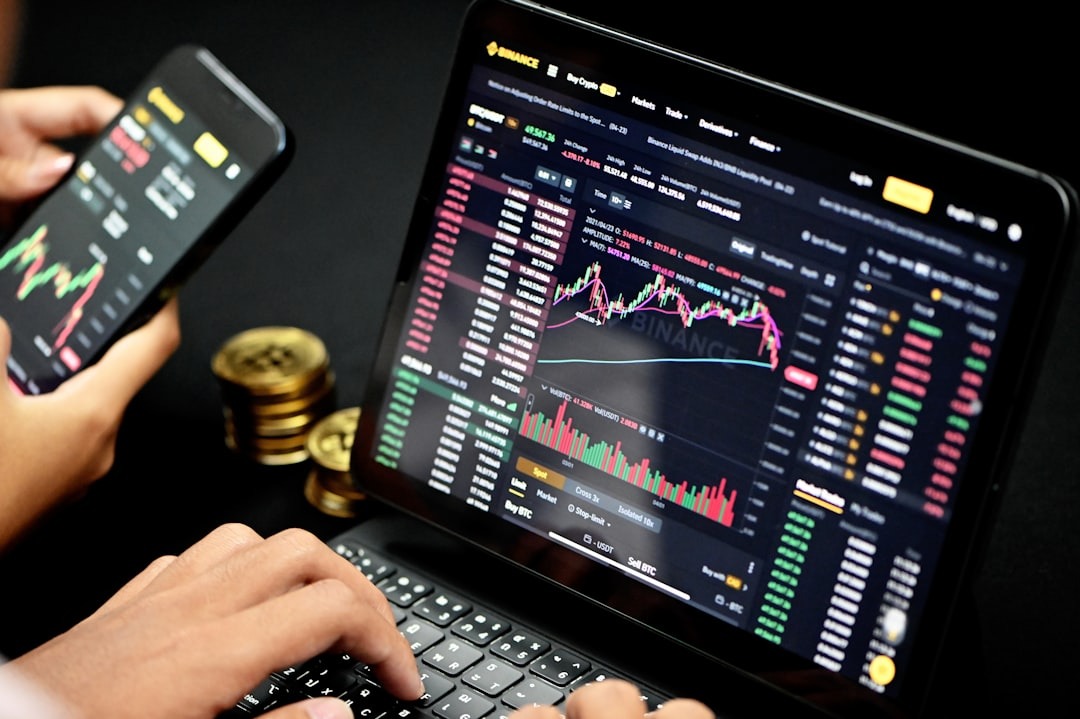
The future of digital finance is unfolding faster than many expected. Artificial intelligence is changing how banks detect fraud. Stablecoins are speeding up international payments. Meanwhile, blockchain is improving transparency across financial services. At the same time, central banks are testing digital currencies, and fintech companies continue challenging traditional banking models. The financial sector is…
-
Web3 Beyond Crypto is no longer just an industry slogan. In 2026, businesses, governments, and developers are using Web3 technologies to solve practical problems that have little to do with buying or trading digital coins. Meanwhile, the conversation has shifted. Investors are asking tougher questions. Enterprises want measurable results. Consumers expect better privacy and greater…
-
Blockchain is gradually moving from cryptocurrency headlines into public administration. Around the world, governments are exploring how distributed ledger technology can improve transparency, reduce fraud, modernise public services, and simplify the management of digital records. The motivation is straightforward. Public institutions process enormous amounts of information every day. From tax records and property ownership to…
-
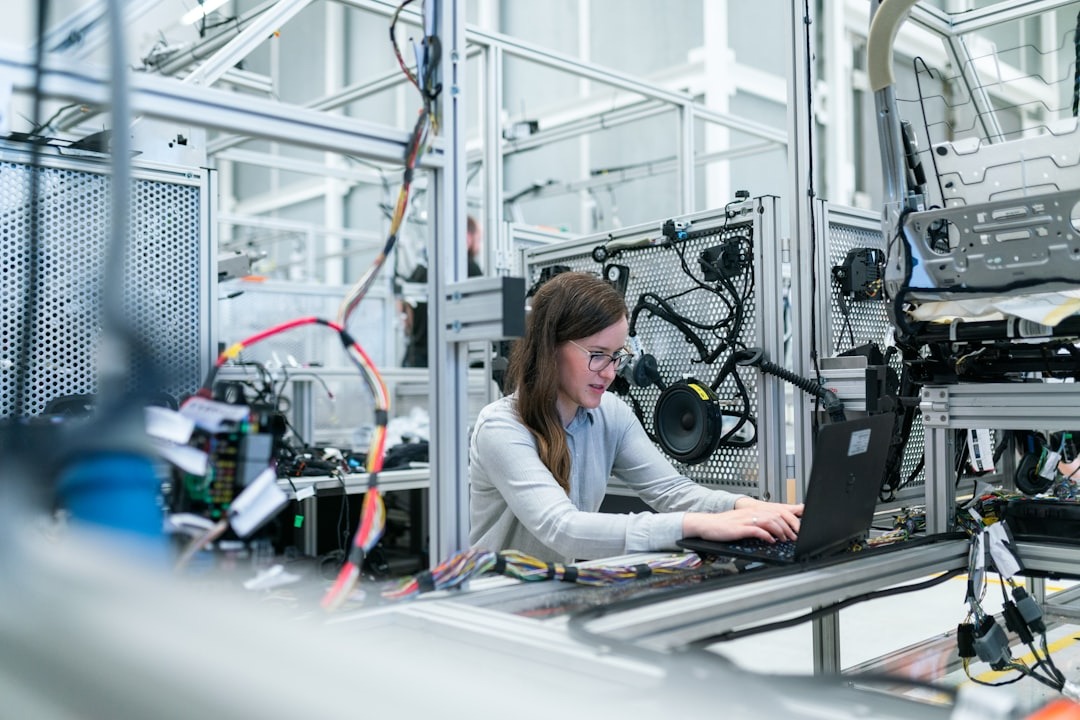
The next decade will not be remembered for a single breakthrough. Instead, history may look back on this period as the moment when multiple technologies matured simultaneously. Artificial intelligence is becoming more autonomous. Quantum computers are moving from research labs toward commercial applications. Robots are becoming more capable. Digital identities are replacing passwords. Meanwhile, connected…
-

Every major technology revolution creates excitement. New companies emerge. Investors rush in. Markets rise quickly. However, history shows that extraordinary innovation often comes with extraordinary expectations. The internet boom created some of the world’s biggest companies. The mobile revolution transformed entire industries. Now, artificial intelligence has become the centre of the latest technology investment wave.…
-

Every major technology shift creates a new generation of companies. The internet created online marketplaces. Mobile computing created app-based businesses. Cloud computing transformed enterprise software. Now, artificial intelligence is creating another wave of disruption. This time, the winners may not be companies adding AI features to existing products. Instead, they may be companies built entirely…