
Tag: Engineering
-

Most users never see them. Most users never think about them. Yet APIs—Application Programming Interfaces—are the hidden scaffolding of the digital world. Every time you book a flight, send a Slack message, or check your bank balance, APIs quietly orchestrate the exchange of data between systems. They don’t make headlines, but they enable every interaction,…
-

Data used to sit quietly in filing cabinets. Today, it moves faster than laws, borders, and sometimes even intent. Every click, swipe, biometric scan, and location ping feeds an economy built not just on information—but on prediction. That shift explains why data privacy is no longer a niche legal issue. It’s a global concern touching…
-
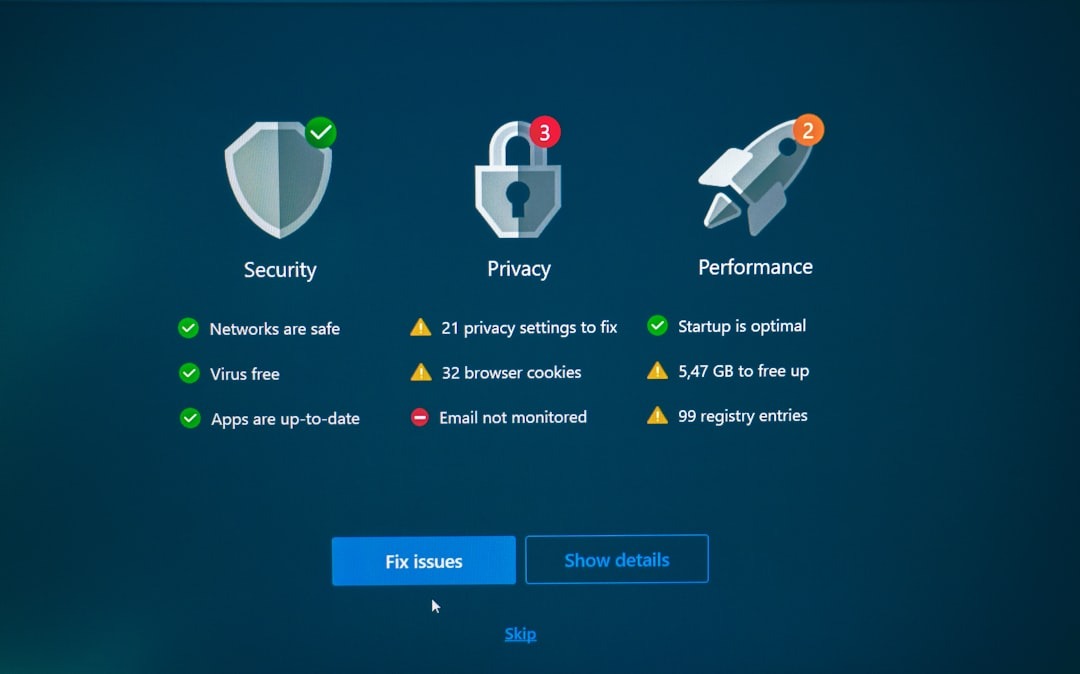
Cybersecurity no longer fails in spectacular explosions. Instead, it erodes quietly—through compromised credentials, poisoned data, and systems that keep running even after attackers slip inside. That subtlety defines the most dangerous cyber threats right now. For years, security teams focused on perimeter defence. However, the modern threat landscape ignores perimeters entirely. Attackers now move laterally,…
-

Mention blockchain, and most people still think of price charts, speculative bubbles, and overnight fortunes. That association is understandable—but outdated. While headlines fixated on volatility, blockchain slipped into less glamorous spaces: logistics, healthcare, identity, infrastructure, and governance. No hype cycles. No memes. Just systems quietly doing what blockchains do best—creating trust where trust used to…
-
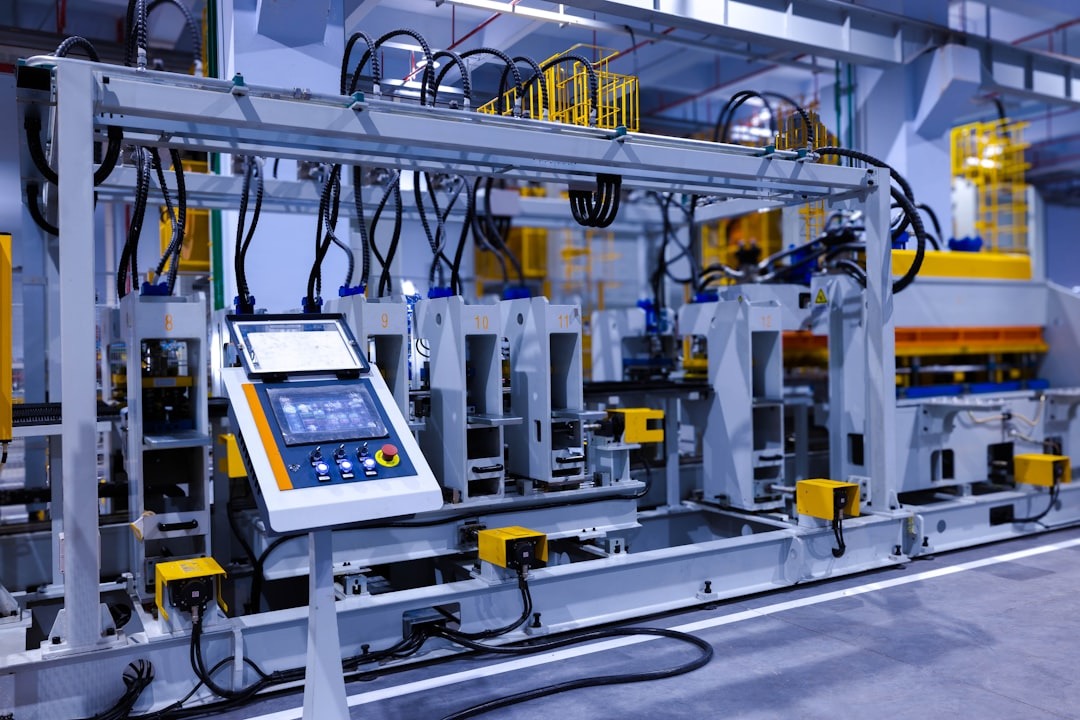
Walk into a modern factory, and you might not notice the revolution at first. There’s no dramatic countdown. No sudden replacement of humans by machines. Instead, robotic arms glide with calm precision. Autonomous vehicles move materials without pause. Vision systems inspect parts faster than any human ever could. Manufacturing isn’t changing overnight.It’s changing every day.…
-

For decades, brain–computer interfaces lived comfortably in science fiction—wires in skulls, glowing screens, and telepathic control reserved for cyberpunk futures. That future has quietly slipped into the present. Brain–computer interfaces, or BCIs, no longer exist solely in academic papers or speculative novels. Instead, they now restore movement, translate thoughts into text, and allow paralysed patients…
-

Software Fails Quietly—Until It Doesn’t Software rarely collapses dramatically. Instead, it leaks money slowly. A checkout bug reduces conversions. A mobile crash spikes churn. A security flaw invites lawsuits. Individually, these issues seem minor. Collectively, they cost companies millions. This is precisely where software testing earns its keep. Testing doesn’t slow innovation. On the contrary,…
-

Technology moves fast. Unfortunately, misinformation about technology moves even faster. Despite living in an era defined by smartphones, cloud computing, and artificial intelligence, many people—founders, professionals, and even decision-makers—still operate under outdated or flat-out wrong assumptions about how technology works. These myths don’t just confuse; they actively shape bad choices, wasted budgets, and unrealistic expectations.…
-

Software development has always been a craft shaped by tools. From punch cards to IDEs, from waterfall to agile, every leap forward has redefined what it means to “build software.” Today, artificial intelligence is triggering the most radical shift yet—one that doesn’t just improve how developers work, but fundamentally changes who (or what) does the…
-

AI didn’t take over overnight. There was no single moment when professionals collectively decided to hand their work to machines. Instead, AI crept in quietly — one automation here, one recommendation engine there — until it became less of a novelty and more of an invisible colleague. Today, many of the most impactful AI tools…