
Tag: Engineering
-

For centuries, industrial revolutions have been defined by materials. The Bronze Age reshaped tools and warfare. The Industrial Revolution accelerated with steel. The 20th century scaled on plastics and semiconductors. Now, however, a new class of materials is emerging—materials that respond, adapt, self-heal, and even think. Smart materials could power the next industrial shift. Unlike…
-

For decades, humans adapted to machines. We learned programming languages. We memorised keyboard shortcuts. We navigated rigid interfaces designed around hardware limitations. Now, however, the balance is shifting. Machines are adapting to us. The future of human-machine interaction (HMI) will not revolve solely around keyboards, touchscreens, or even smartphones. Instead, it will be shaped by…
-

Cybersecurity has always been a race between attackers and defenders. Historically, humans designed defences and responded to breaches manually. Today, artificial intelligence is tilting that balance. AI isn’t just a defensive tool—it’s becoming a force multiplier for cybersecurity teams, capable of detecting anomalies, predicting threats, and responding faster than any human could. At the same…
-

For decades, cybersecurity operated on a simple assumption: if you’re inside the network, you can be trusted. That assumption no longer holds. Cloud computing dissolved network perimeters. Remote work shattered office boundaries. SaaS platforms scatter data across vendors. Meanwhile, attackers stopped knocking on the front door and began exploiting credentials, APIs, and software supply chains.…
-

There was a time when programming languages were tribal affiliations. You were a “Java shop.” A “PHP house.” A “Microsoft stack.” Entire careers were built on singular allegiances. But today’s tech industry looks radically different. The modern stack is plural. Polyglot. Pragmatic. Instead of asking Which language wins?, companies now ask: Which language fits this…
-
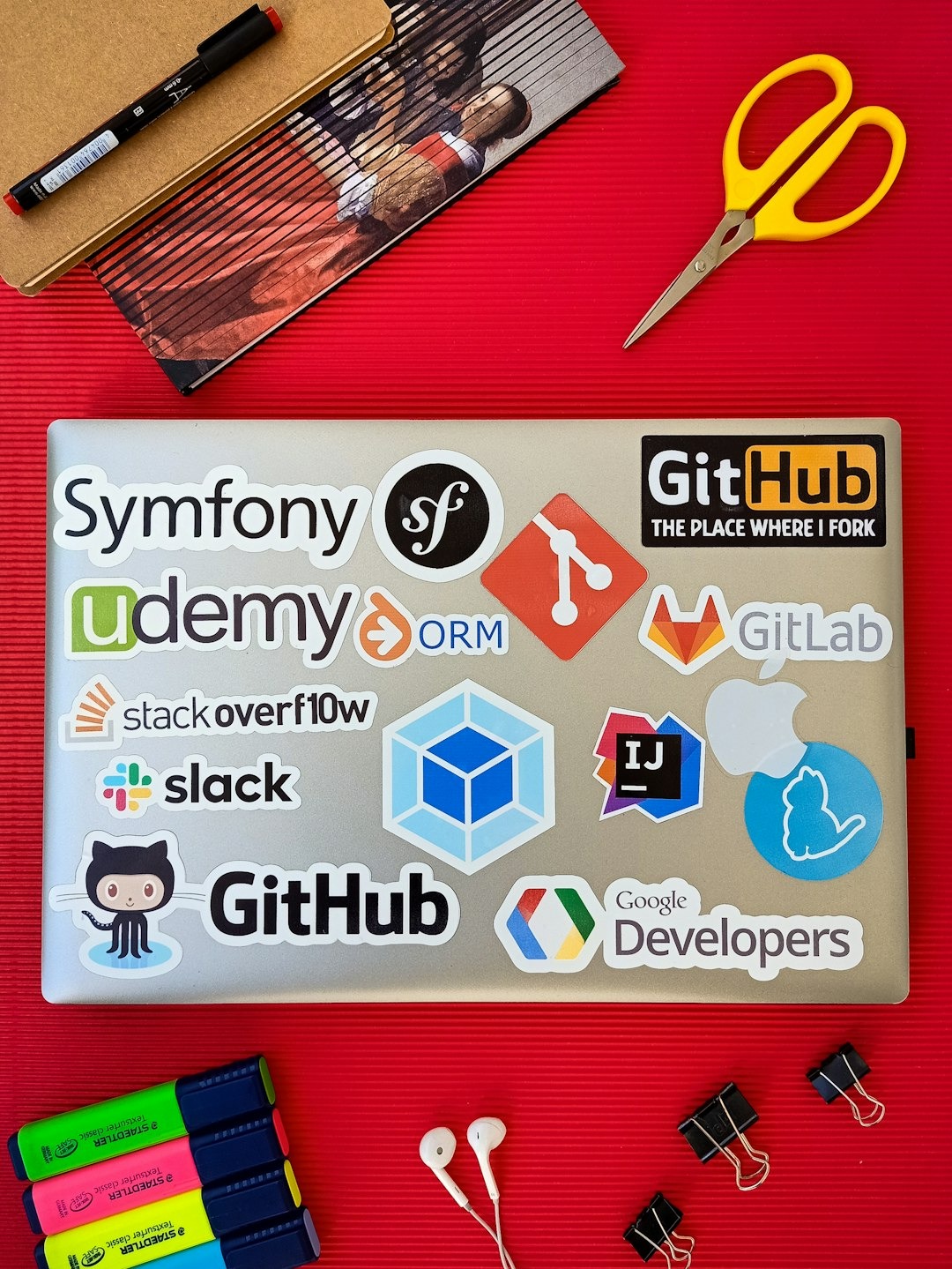
Software development is no longer just about writing code line by line. Today, modern frameworks act as scaffolding for developers, accelerating production, reducing errors, and enabling teams to focus on innovation rather than boilerplate. From web applications to mobile apps, frameworks like React, Angular, Vue, and Flutter have transformed the way developers approach design, testing,…
-

In the early days of mobile apps, developers faced a painful choice: build for iOS or Android—and often start from scratch for each platform. This approach was slow, expensive, and had fragmented user experiences. Today, that paradigm is collapsing. Cross-platform development frameworks like Flutter, React Native, and Xamarin are transforming how software is built, deployed,…
-

In the past, software security was someone else’s problem. IT teams managed firewalls, patched servers, and monitored intrusion logs. Developers focused on features, deadlines, and functionality. Today, that separation has all but vanished. Cyberattacks are faster, more sophisticated, and more destructive than ever. From ransomware to supply chain compromises, vulnerabilities in code can cascade globally.…
-

In 2010, scaling a web application often meant one thing: buy a bigger server. Today, that idea sounds almost quaint. Modern scalable software architecture no longer revolves around hardware upgrades alone. Instead, it relies on distributed systems, cloud-native design, API-first thinking, and continuous delivery pipelines that evolve in real time. In other words, scalability is…
-

Software updates no longer arrive as occasional patches. Today, they reshape devices, enforce rules, and even redefine ownership—often without explicit user consent. From phones and cars to enterprise platforms, updates quietly dictate how technology behaves, evolves, and persists. They are no longer just improvements—they are a strategic lever for companies, a security lifeline for consumers,…