
-
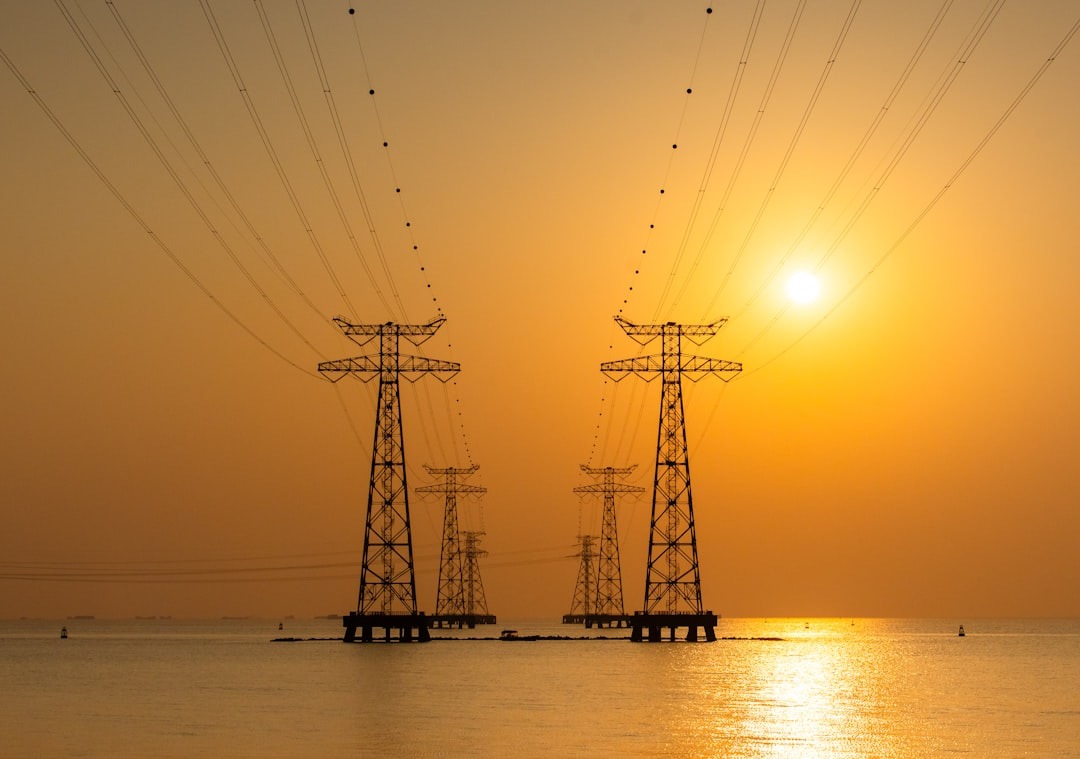
The global energy transition has a balancing problem. Renewable energy is expanding rapidly. Solar and wind capacity continue to break records. Electric vehicles are plugging into the grid in unprecedented numbers. At the same time, AI-powered data centres are drawing enormous electricity loads. Yet power demand doesn’t move in straight lines. It spikes. It dips.…
-

Every click, stream, search, and AI prompt runs through a data centre. Yet while the digital economy feels weightless, the infrastructure behind it is anything but. Data centres consume massive amounts of electricity, require advanced cooling systems, and operate 24/7 without pause. As artificial intelligence, cloud computing, and streaming services expand rapidly, energy demand from…
-

For years, carbon capture carried a reputation problem. Critics dismissed it as expensive, unscalable, or a convenient excuse for polluters to delay real change. Supporters, meanwhile, argued it was essential for sectors that simply cannot eliminate emissions overnight. In 2026, the debate is shifting. Carbon capture is no longer theoretical. Several technologies are operational, measurable,…
-
The global energy transition has a storage problem. Solar panels don’t produce electricity at night. Wind turbines don’t spin on command. Meanwhile, electric vehicles demand longer range, faster charging, and safer battery chemistry. As a result, the future of clean energy depends not just on generation — but on storage. In 2026, next-gen batteries and…
-

Humanity’s climate challenge is vast and complex. Rising temperatures, changing weather patterns, biodiversity loss, and carbon emissions don’t follow tidy equations. Traditional models struggle to deliver reliable forecasts at the scale policymakers need. Enter artificial intelligence. AI isn’t just speeding up climate analysis — it’s reshaping how the world understands, predicts, and responds to environmental…
-

Clean technology is no longer a cottage industry limited to niche sustainability funds or CSR budgets. By 2026, clean tech will have become one of the most significant — and fastest-growing — sectors in global investment portfolios. As governments tighten climate policy, major corporations commit to net-zero targets, and consumers demand greener products, capital is…
-

Digital-first has become more than a slogan. It’s a strategic imperative that separates companies thriving in volatile markets from those struggling to stay relevant. In 2025, enterprises realised that digital transformation isn’t just about adopting new tools—it’s about rethinking how businesses operate, innovate, and deliver value from the ground up. Today’s digital-first organisations are redefining…
-

For years, cloud migration sounded like an IT modernisation project reserved for large enterprises. Then reality intervened. Remote work expanded overnight, digital services scaled unpredictably, and customer expectations shifted permanently. Today, cloud migration is no longer optional — it defines how competitive, resilient, and innovative a business can become. However, many organisations still misunderstand what…
-

In 2025, digital transformation stopped being a corporate buzzword and became a measurable survival strategy. Across industries, organisations discovered that adopting technology alone was not enough. Instead, success depended on how deeply digital systems reshaped operations, decision-making, and customer engagement. As businesses move further into an AI-driven economy, the lessons learned from 2025 are now…
-

Artificial intelligence promised objectivity. Instead, it inherited our blind spots. Across industries—from healthcare and hiring to finance and criminal justice—predictive systems shape who gets loans, who receives medical care faster, and even who gets flagged as a risk. Yet despite advances in machine learning, AI bias and algorithmic fairness remain stubborn, systemic challenges. The uncomfortable…