
Author: Barack
-

Nation-state cyber warfare is entering a new phase. Governments have used hacking, espionage and digital disruption for years. However, artificial intelligence is changing the speed and scale of those operations. Today, attackers can use AI to analyse information, create convincing messages, discover vulnerabilities and support multi-stage campaigns. At the same time, defenders are using the…
-

Ambient computing is emerging as one of the most important shifts in how people interact with technology. For years, using a computer meant sitting in front of a screen. Then smartphones changed the model by putting computing into our pockets. Now, another transition is underway. Technology is beginning to move into the background. Instead of…
-
Battery technology breakthroughs are becoming just as important as advances in processors, artificial intelligence, and renewable energy. The reason is simple: almost every major technology trend depends on better energy storage. Electric vehicles need batteries that charge faster and travel farther. Smartphones need longer battery life without becoming heavier. Data centres need enormous amounts of…
-

How AI is changing consumer electronics is becoming one of the biggest technology stories of 2026. Smartphones are learning user habits. Laptops can run AI models locally. TVs are using artificial intelligence to improve images and sound. Meanwhile, smart glasses and wearables are becoming more intelligent. The change is bigger than adding a chatbot to…
-

The next generation of voice assistants is arriving with a very different idea of what an assistant should be. For years, Siri, Alexa, and Google Assistant were built around short commands. Users asked for the weather, set alarms, played music, or switched on smart lights. However, that model is changing rapidly. Today, artificial intelligence can…
-

NFTs after the hype look very different from the technology that dominated headlines during the digital collectibles boom. A few years ago, million-dollar JPEGs, celebrity-backed collections, and speculative trading defined the market. Today, however, the industry is entering a more mature phase where utility matters far more than hype. Developers are no longer building products…
-

The Evolution of Decentralized Finance (DeFi) is no longer defined by explosive token prices or speculative trading. Instead, it is being shaped by practical financial innovation, stronger regulation, and growing institutional interest. What started as an experimental movement within the cryptocurrency community has matured into a global ecosystem that is influencing how money is borrowed,…
-
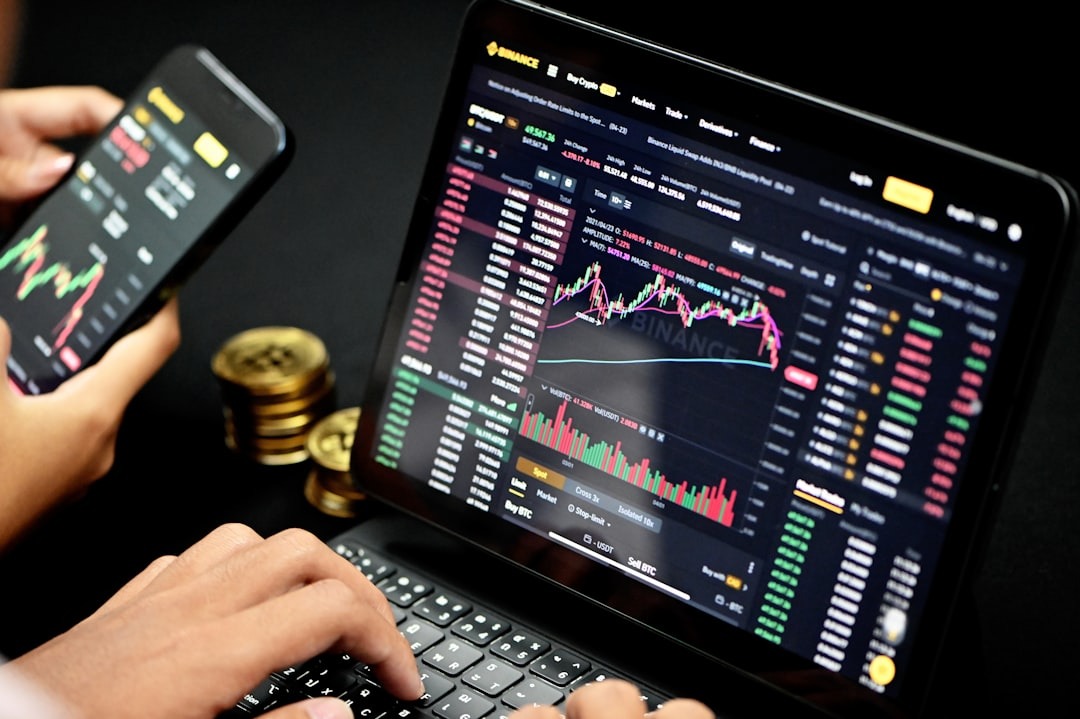
The future of digital finance is unfolding faster than many expected. Artificial intelligence is changing how banks detect fraud. Stablecoins are speeding up international payments. Meanwhile, blockchain is improving transparency across financial services. At the same time, central banks are testing digital currencies, and fintech companies continue challenging traditional banking models. The financial sector is…
-
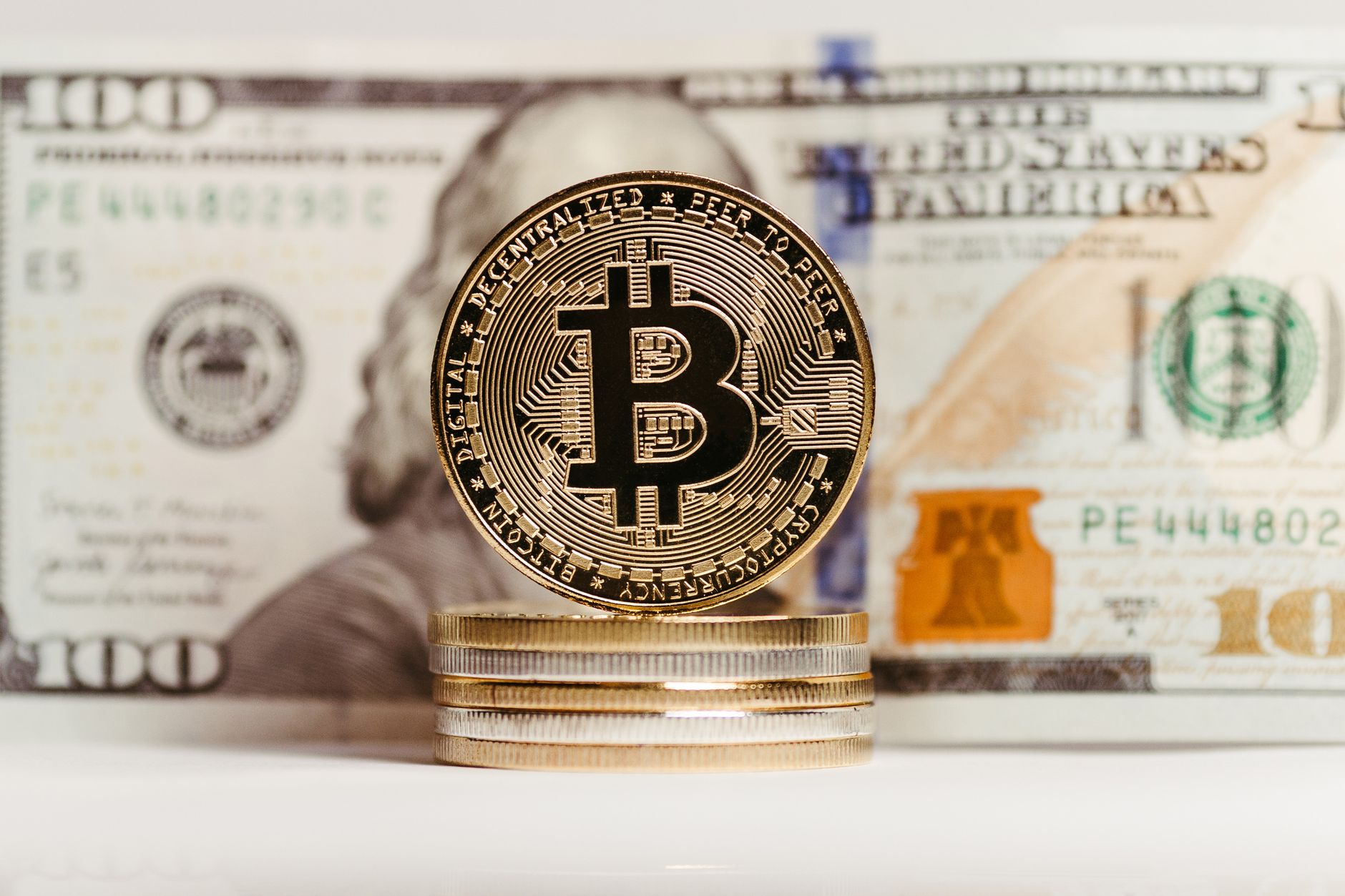
Stablecoins are challenging traditional banking in ways that would have seemed unlikely just a few years ago. What began as a tool for cryptocurrency traders has evolved into a fast-growing payment network attracting banks, fintech firms, multinational companies, and policymakers. Money now moves across borders in seconds instead of days. Businesses are settling international invoices…
-

Web3 Beyond Crypto is no longer just an industry slogan. In 2026, businesses, governments, and developers are using Web3 technologies to solve practical problems that have little to do with buying or trading digital coins. Meanwhile, the conversation has shifted. Investors are asking tougher questions. Enterprises want measurable results. Consumers expect better privacy and greater…