
Tag: technology
-
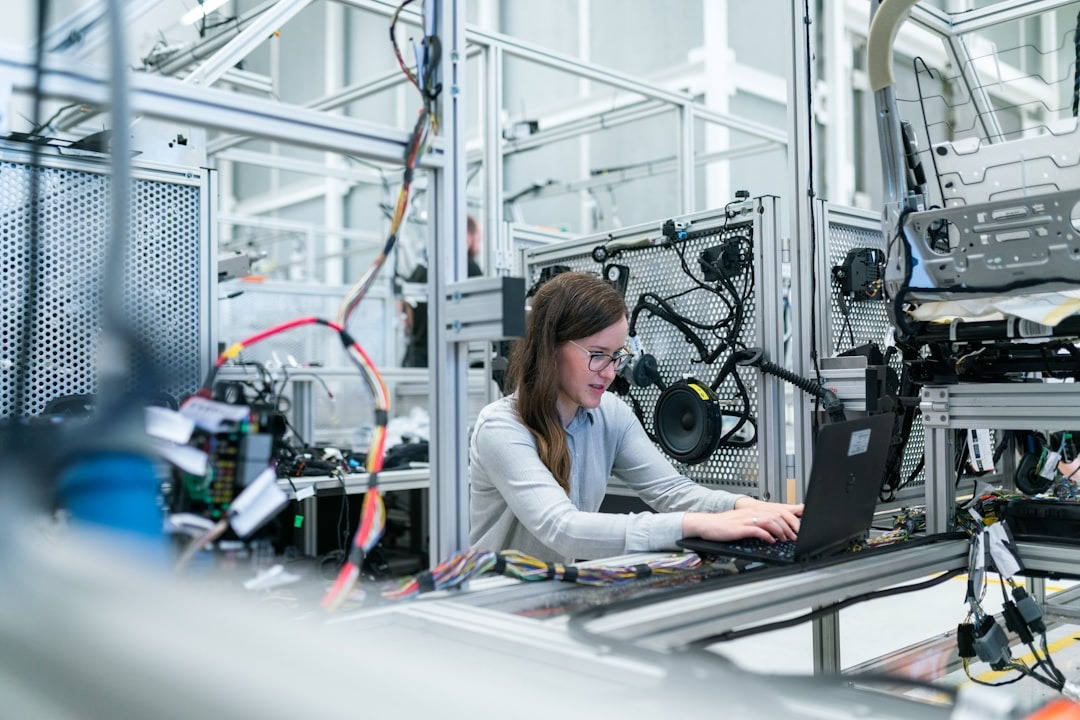
The next technological revolution will not be defined by a single invention. Instead, it will come from the combination of several powerful technologies changing how people work, communicate, travel, and live. Artificial intelligence is becoming more autonomous. Robotics is becoming more intelligent. Computing is becoming more powerful. Meanwhile, industries are adopting digital systems that were…
-

Every secure digital interaction relies on one invisible technology: encryption. When people transfer money online, send private messages, access cloud platforms, or store sensitive information, encryption acts as the protective layer keeping that data safe. However, a new computing revolution is forcing the cybersecurity industry to rethink how digital protection works. Quantum computing is approaching…
-

Passwordless Authentication: The password has protected our digital lives. From email accounts to banking applications, passwords have been the first line of defence against unauthorised access. However, that system has always had a major weakness. People are bad at managing passwords. They reuse them. They forget them. They create simple combinations that attackers can easily…
-

Imagine a factory that can predict a machine failure before it happens. Technology? Imagine a city that can simulate traffic changes before building new roads. Imagine a hospital that can create a virtual model of a patient to improve treatment decisions. This is no longer science fiction. It is the promise of digital twin technology.…
-

The smartphone changed everything. It replaced cameras, maps, music players, wallets, and even desktop computers for millions of people. For more than a decade, the smartphone has been the centre of digital life. However, technology rarely stays still. Now, a new question is emerging across the industry: What comes after the smartphone? Major technology companies…
-

For decades, people trusted what they could see and hear. A video showed an event. A voice message represented a person. A photograph captures a moment. However, artificial intelligence has changed that assumption. Today, advanced AI systems can create realistic images, videos, and voices that are almost impossible to distinguish from reality. As a result,…
-
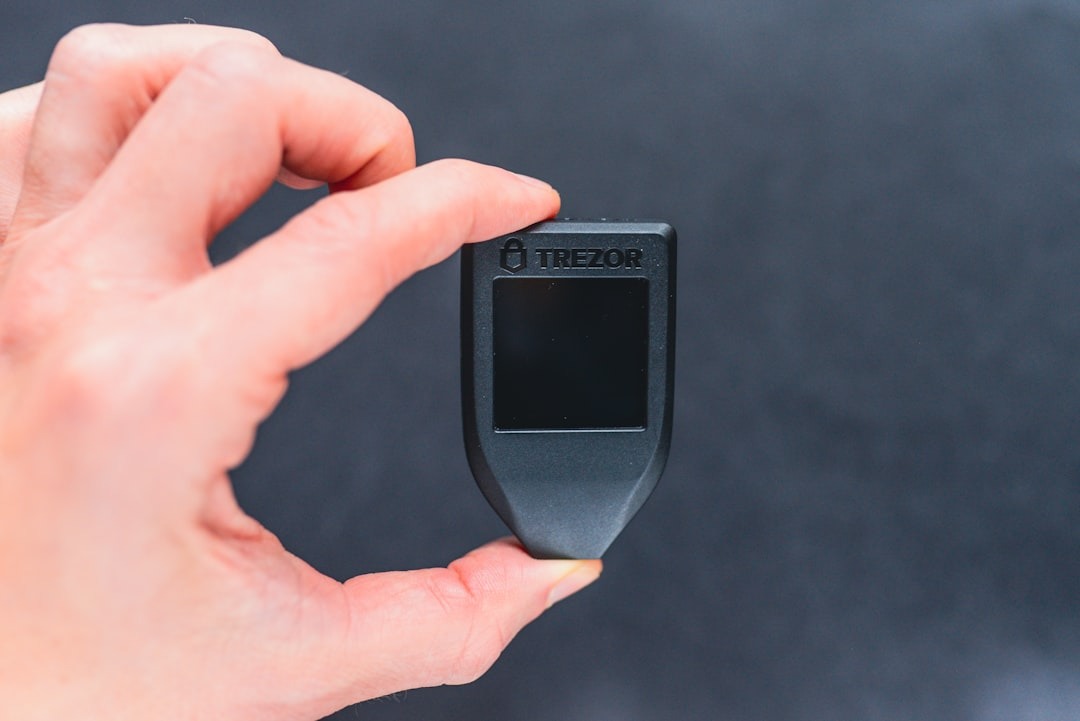
From unlocking smartphones with a glance to passing through airport gates without showing a passport, biometric security is rapidly becoming the new standard for identity verification. Fingerprints, facial recognition, voice patterns, and even behavioural traits are replacing traditional passwords—offering convenience and speed. But as adoption accelerates in 2026, a critical concern emerges:👉 What happens when…
-
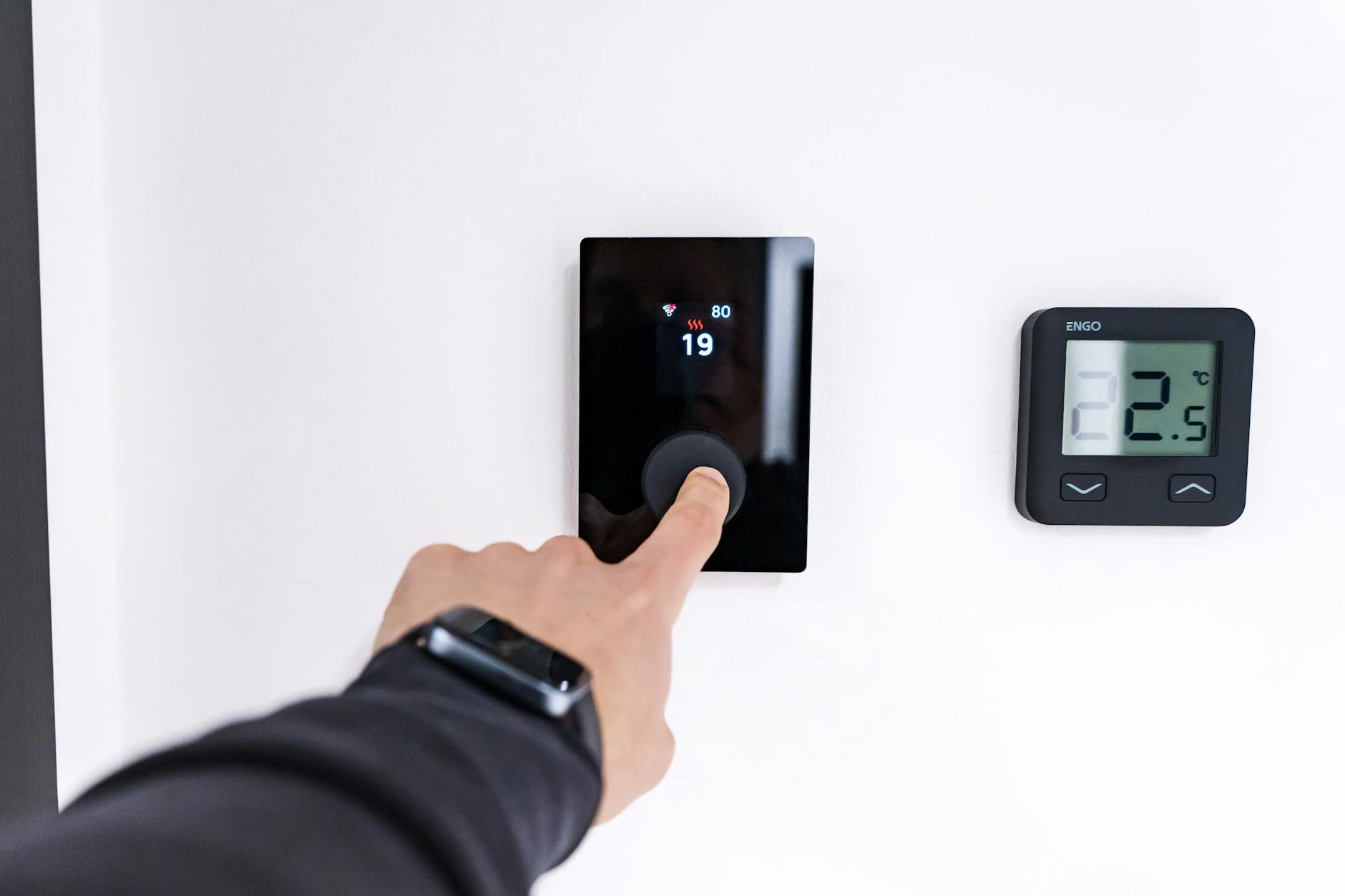
Smart homes are no longer a futuristic concept—they are now a part of everyday life. From smart TVs and voice assistants to connected door locks and security cameras, the Internet of Things (IoT) is transforming how we live. But as convenience increases, so do the risks. In 2026, IoT security has become a critical concern,…
-
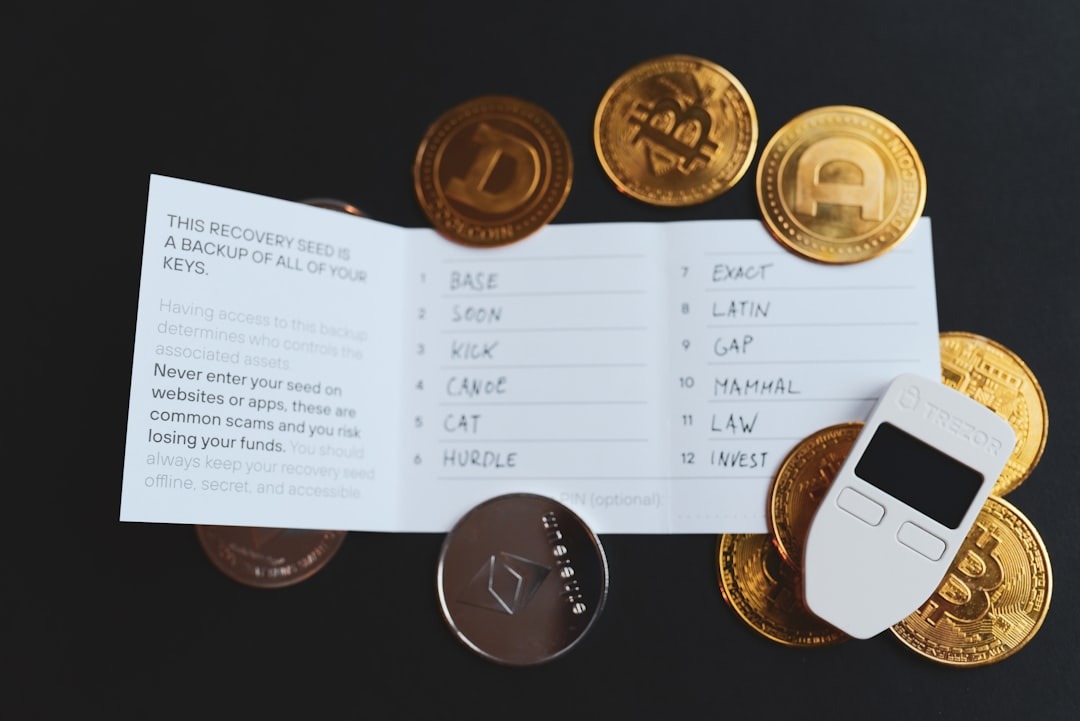
What if you could own a fraction of a luxury apartment, a piece of fine art, or even a share of a commercial building—instantly, from anywhere in the world? tokenisation. In 2026, this is no longer hypothetical. Through tokenisation of real-world assets (RWAs), blockchain technology is transforming how ownership works—making it more accessible, liquid, and…
-
Sending money across borders has long been slow, expensive, and frustrating. But in 2026, a new financial layer is changing everything—stablecoins. Designed to maintain a stable value by pegging to fiat currencies like the US dollar, stablecoins are rapidly becoming the backbone of faster, cheaper, and more accessible global payments. From freelancers in Lagos to…