
Tag: ecosystem
-
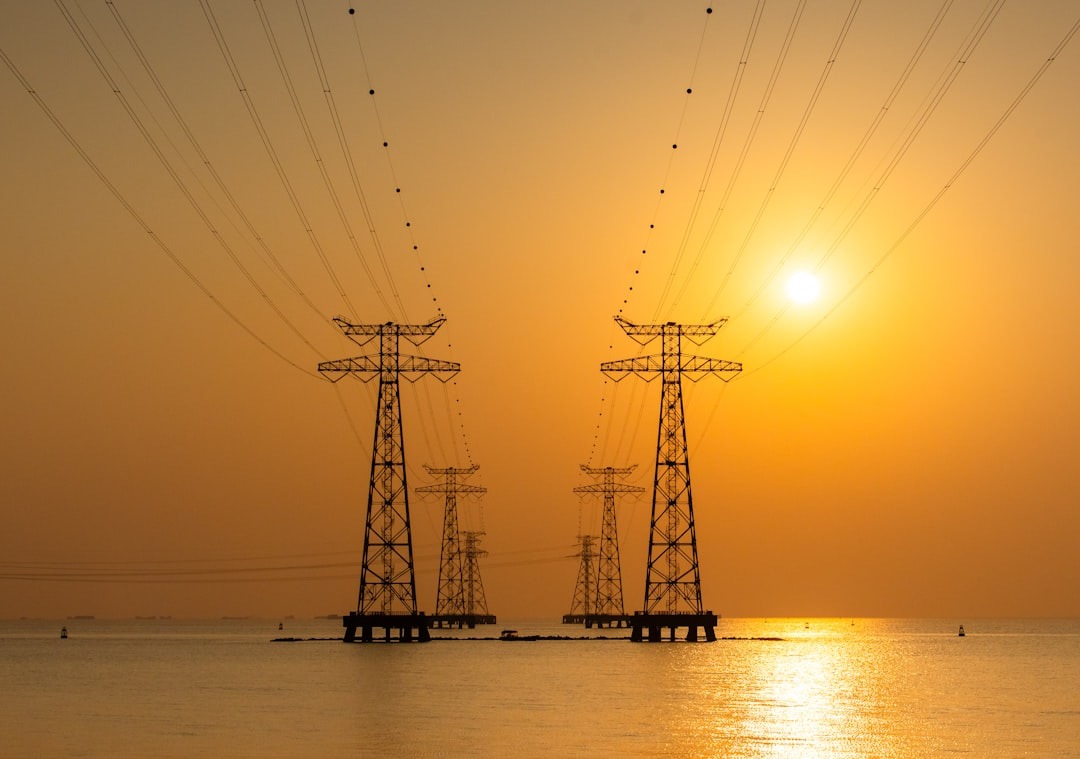
The global energy transition has a balancing problem. Renewable energy is expanding rapidly. Solar and wind capacity continue to break records. Electric vehicles are plugging into the grid in unprecedented numbers. At the same time, AI-powered data centres are drawing enormous electricity loads. Yet power demand doesn’t move in straight lines. It spikes. It dips.…
-

For years, carbon capture carried a reputation problem. Critics dismissed it as expensive, unscalable, or a convenient excuse for polluters to delay real change. Supporters, meanwhile, argued it was essential for sectors that simply cannot eliminate emissions overnight. In 2026, the debate is shifting. Carbon capture is no longer theoretical. Several technologies are operational, measurable,…
-

Clean technology is no longer a cottage industry limited to niche sustainability funds or CSR budgets. By 2026, clean tech will have become one of the most significant — and fastest-growing — sectors in global investment portfolios. As governments tighten climate policy, major corporations commit to net-zero targets, and consumers demand greener products, capital is…
-

Digital-first has become more than a slogan. It’s a strategic imperative that separates companies thriving in volatile markets from those struggling to stay relevant. In 2025, enterprises realised that digital transformation isn’t just about adopting new tools—it’s about rethinking how businesses operate, innovate, and deliver value from the ground up. Today’s digital-first organisations are redefining…
-

For decades, space exploration moved at a deliberate pace. Launches were rare. Missions were state-controlled. Budgets were immense. Progress was steady—but slow. Today, however, space technology is advancing faster than almost anyone predicted. Reusable rockets land autonomously. Private companies deploy thousands of satellites annually. AI navigates spacecraft millions of miles from Earth. Human missions to…
-

For centuries, medicine has fought disease at the macro level. We swallow pills. We undergo surgery. We inject therapies into the bloodstream and hope they reach the right target. Treatments circulate broadly, often affecting healthy tissue alongside diseased cells. Nanotechnology changes that paradigm entirely. Instead of treating illness with blunt instruments, nanotechnology operates at the…
-

For decades, humans adapted to machines. We learned programming languages. We memorised keyboard shortcuts. We navigated rigid interfaces designed around hardware limitations. Now, however, the balance is shifting. Machines are adapting to us. The future of human-machine interaction (HMI) will not revolve solely around keyboards, touchscreens, or even smartphones. Instead, it will be shaped by…
-

In 2010, scaling a web application often meant one thing: buy a bigger server. Today, that idea sounds almost quaint. Modern scalable software architecture no longer revolves around hardware upgrades alone. Instead, it relies on distributed systems, cloud-native design, API-first thinking, and continuous delivery pipelines that evolve in real time. In other words, scalability is…
-

For decades, brain–computer interfaces lived comfortably in science fiction—wires in skulls, glowing screens, and telepathic control reserved for cyberpunk futures. That future has quietly slipped into the present. Brain–computer interfaces, or BCIs, no longer exist solely in academic papers or speculative novels. Instead, they now restore movement, translate thoughts into text, and allow paralysed patients…
-

Most cybersecurity disasters don’t begin with a genius hacker exploiting a zero-day vulnerability. Instead, they start quietly—almost invisibly—with a reused password, a delayed software update, or a misplaced assumption that “someone else is handling security.” Despite decades of warnings, billion-dollar breaches, and endless security tooling, the same cybersecurity mistakes continue to undermine even technologically sophisticated…