
Tag: community
-

In 1998, a group of developers rebranded “free software” as open source to make it more palatable to the corporate world. Nearly three decades later, the irony is unmistakable: the very companies that once dismissed open source now depend on it to survive. From Linux powering cloud infrastructure to Kubernetes orchestrating containers at a global…
-

For decades, software creation belonged to a narrow group. If you couldn’t code, you couldn’t build. Ideas waited for developers. Innovation is bottlenecked at technical scarcity. That era is ending. No-code tools are not merely simplifying software development—they are redistributing creative power across organisations, industries, and geographies. And increasingly, the results aren’t side projects. They’re…
-

A decade ago, scaling a software company meant years of infrastructure planning, sales headcount expansion, and regional rollouts. Today, some SaaS companies reach millions of users before competitors even notice they exist. This acceleration didn’t happen by accident. It emerged from a convergence of cloud computing, usage-based economics, data-driven product design, and frictionless global distribution.…
-

Data used to sit quietly in filing cabinets. Today, it moves faster than laws, borders, and sometimes even intent. Every click, swipe, biometric scan, and location ping feeds an economy built not just on information—but on prediction. That shift explains why data privacy is no longer a niche legal issue. It’s a global concern touching…
-
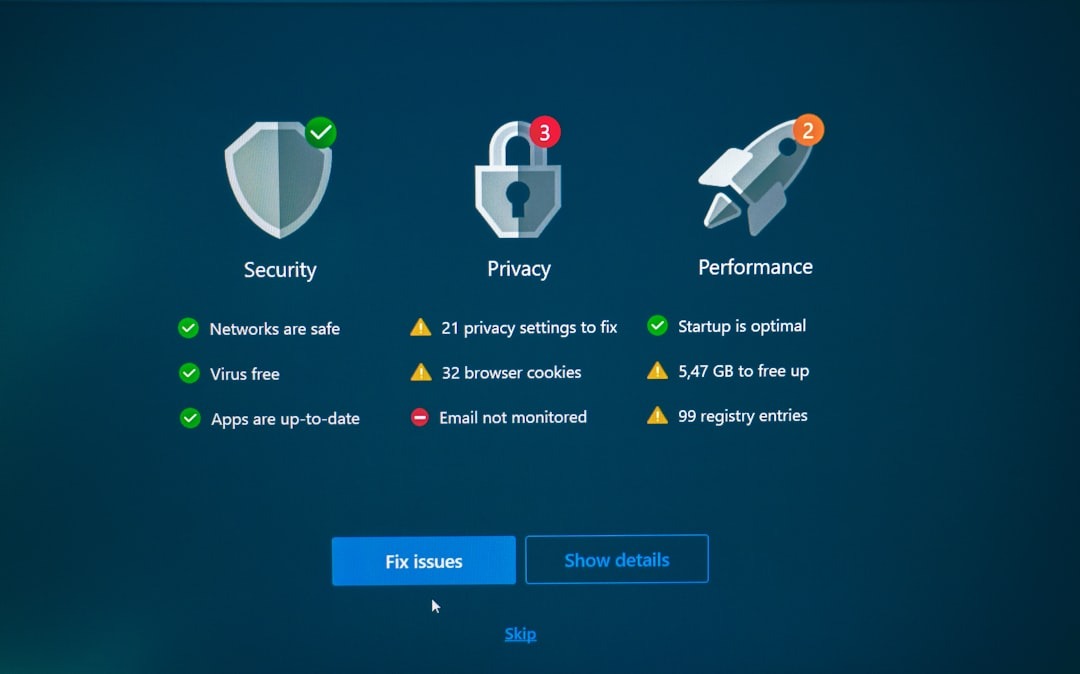
Cybersecurity no longer fails in spectacular explosions. Instead, it erodes quietly—through compromised credentials, poisoned data, and systems that keep running even after attackers slip inside. That subtlety defines the most dangerous cyber threats right now. For years, security teams focused on perimeter defence. However, the modern threat landscape ignores perimeters entirely. Attackers now move laterally,…
-

For years, 5G was marketed as a revolution that would arrive with fireworks. Instead, its real impact crept in quietly—woven into everyday experiences most people barely notice. That subtlety, however, doesn’t make it any less transformative. In fact, it’s precisely because 5G fades into the background that its influence now runs so deep. Unlike previous…
-

At its peak, Web3 didn’t just promise better technology.It promised escape. Escape from Big Tech platforms. Escape from centralized control. Escape from business models built on surveillance and extraction. The pitch sounded almost utopian: an internet owned by users, governed by code, and powered by decentralized networks instead of corporate gatekeepers. A few years later,…
-
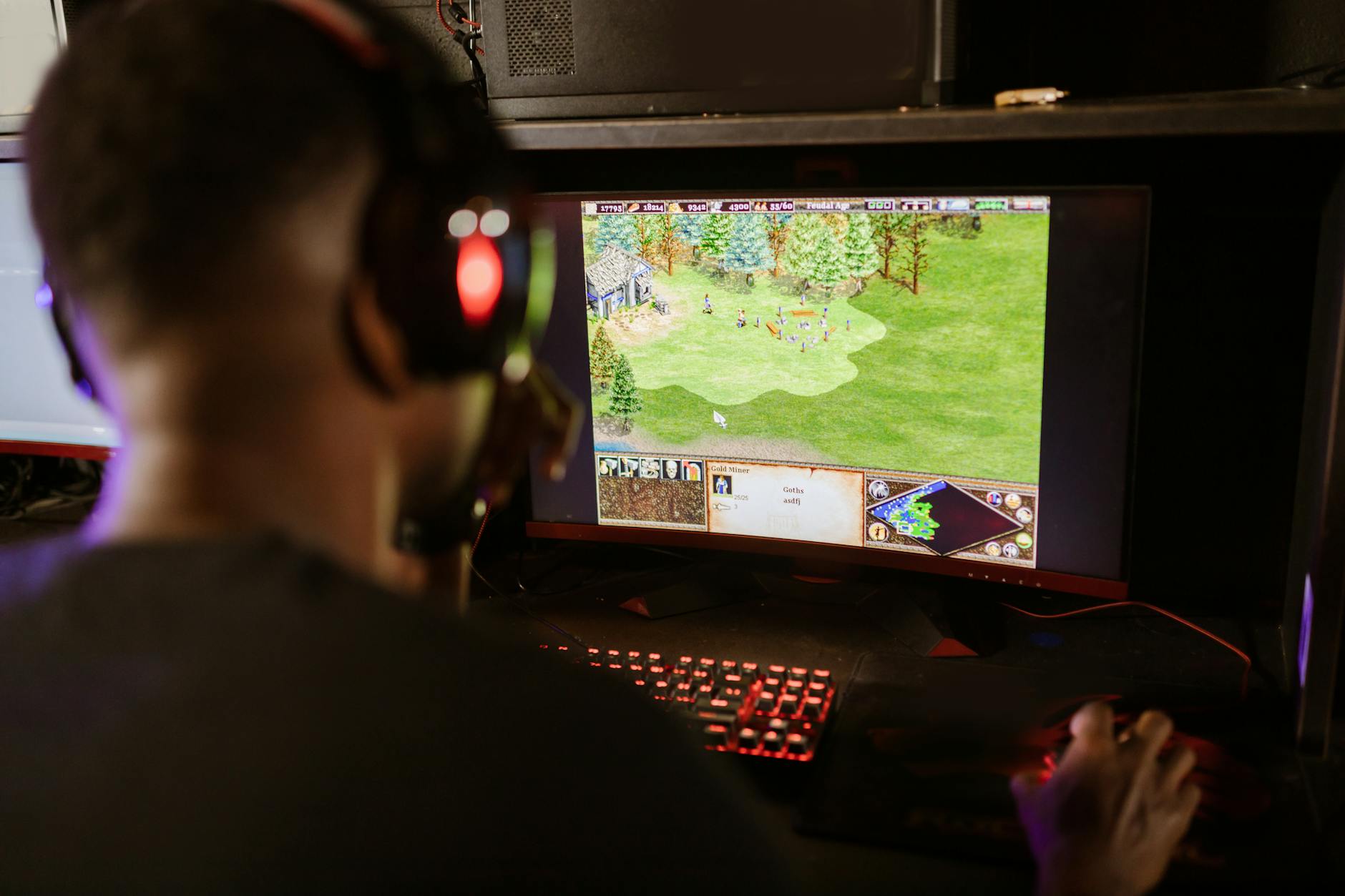
Not long ago, competitive gaming happened in basements, internet cafés, and small convention halls. The crowds were passionate but limited. The money was modest. The attention came and went. That era is over. Today, esports fills stadiums, commands billion-dollar investments, and attracts audiences that rival traditional sports. More importantly, it operates without borders—connected by broadband,…
-

Walk into a modern factory, and you might not notice the revolution at first. There’s no dramatic countdown. No sudden replacement of humans by machines. Instead, robotic arms glide with calm precision. Autonomous vehicles move materials without pause. Vision systems inspect parts faster than any human ever could. Manufacturing isn’t changing overnight.It’s changing every day.…
-

For decades, gaming followed a familiar ritual: buy expensive hardware, wait for long download times, then upgrade every few years when the next console arrived. Cloud gaming quietly breaks that ritual. Instead of pushing pixels from a box under the TV, cloud gaming streams entire games from remote servers—turning consoles into optional accessories rather than…