
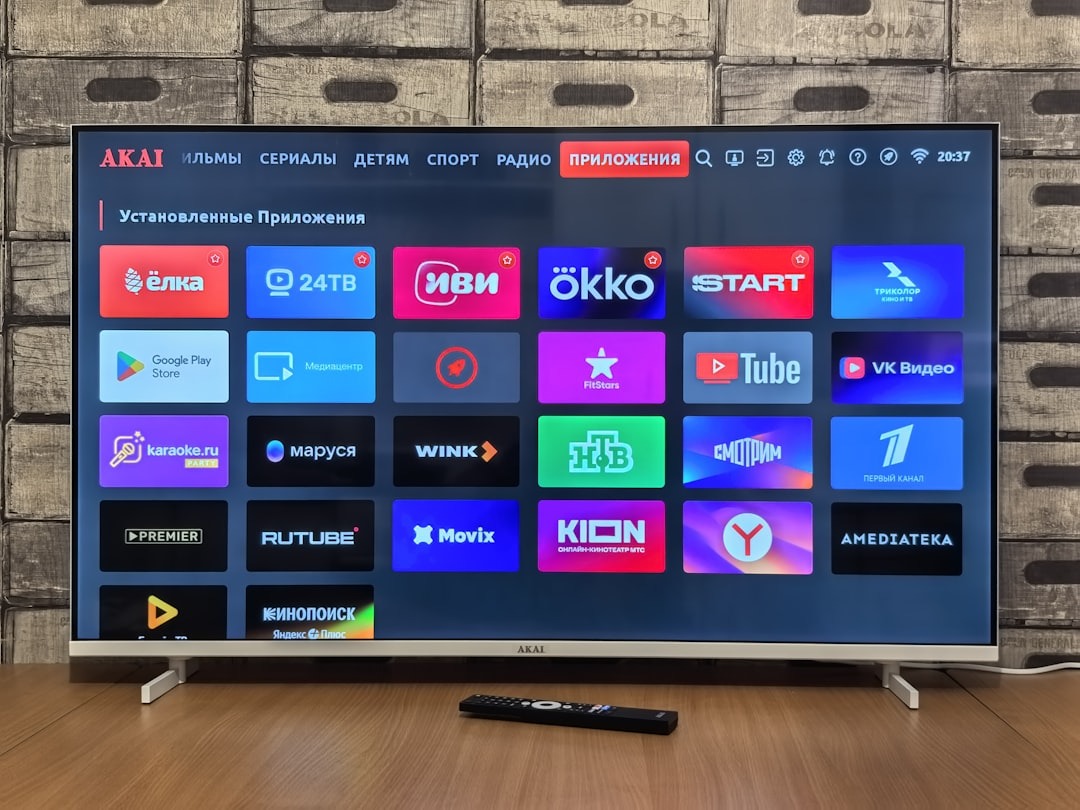
Entertainment used to move in one direction.
A screen lit up. A story unfolded. An audience watched.
That model held for decades—through cinema, television, radio, and even early streaming. But somewhere between live-stream chats, open-world games, and algorithm-driven platforms, the boundary between creator and consumer began to erode.
What replaced it wasn’t just a new format.
It was a new relationship.
Entertainment Didn’t Become Interactive Overnight
Interactivity didn’t arrive with VR headsets or game engines. Its roots stretch back to choose-your-own-adventure books, arcade cabinets, and early online forums where fans shaped culture from the margins.
What changed—decisively—was scale.
Broadband access, mobile devices, and cloud infrastructure transformed interaction from a niche feature into a structural expectation. Platforms like Twitch, Roblox, and YouTube didn’t merely host content; they embedded participation into the experience itself (WIRED).
Entertainment stopped being something you consumed.
It became something you entered.
This evolution mirrors a broader shift explored inTechnology Is Transforming Music Production, where audiences now influence creation in real time rather than after the fact.
Games Became the Blueprint for Everything Else
Video games didn’t just grow into a dominant entertainment category—they became the template others began copying.
Games taught audiences to expect:
- Agency over narrative outcomes
- Persistent worlds that evolve over time
- Social interaction is part of the experience
- Continuous updates instead of finished products
When Netflix experimented with interactive storytelling in Black Mirror: Bandersnatch, it wasn’t inventing something new—it was borrowing logic perfected by games decades earlier (The Verge).
Today, interactive mechanics appear everywhere: from live voting on reality shows to comment-driven livestreams where viewers shape the action in real time.
Entertainment didn’t borrow from gaming.
It learned from it.
The Rise of Participatory Storytelling
Interactive media has quietly rewritten how stories are structured.
Traditional narratives depend on control: pacing, framing, resolution. Interactive narratives, by contrast, depend on choice—often messy, unpredictable, and deeply personal.
Platforms like Roblox and Fortnite host not just games but concerts, films, and social experiences where users don’t simply observe events; they inhabit them (New York Times).
Storytelling becomes modular. Identity becomes customizable. Meaning emerges from participation rather than instruction.
This shift aligns closely with themes inSocial Media Is Reshaping Public Opinion, where engagement—not authorship—determines influence.
Streaming Is No Longer Passive Viewing
Live streaming changed the rules.
On platforms like Twitch, Kick, and YouTube Live, entertainment unfolds as a conversation. Viewers comment, donate, vote, and even influence outcomes mid-broadcast. The audience isn’t external to the content—it’s embedded within it.
Creators read chats. Adjust tone. Pivot narratives. Respond in real time.
This feedback loop creates something traditional media never could: shared authorship.
As MIT Technology Review notes, this dynamic blurs the line between performance and collaboration, producing entertainment that feels more intimate—and more addictive—than scheduled programming ever did (MIT Technology Review).
Virtual Worlds Are Becoming Cultural Venues
Interactive media isn’t confined to screens anymore.
Virtual spaces now host concerts, fashion shows, movie premieres, and political events. When millions attended virtual performances inside Fortnite or VRChat, it wasn’t novelty—it was proof of concept.
These environments offer something physical venues cannot:
- Infinite capacity
- Global access
- Persistent replayability
- Real-time audience interaction
Entertainment becomes spatial rather than linear.
This development echoes ideas raised in How Technology Will Shape Society in the Long Run, where digital environments increasingly function as social infrastructure.
The Economics of Engagement
Interactivity doesn’t just change experience—it changes money.
In interactive media, value is generated through time spent, participation depth, and community loyalty. Microtransactions, virtual goods, and creator economies thrive precisely because users feel invested.
Platforms like Epic Games and Valve understand this well: engagement drives ecosystems, not just content sales (Bloomberg).
The audience doesn’t just pay.
It builds the platform’s worth.
The Hidden Trade-Offs
Interactivity comes with costs.
Always-on participation blurs boundaries between leisure and labour. Moderation challenges intensify. Data collection deepens as platforms track behaviour to personalise experiences.
Interactive systems don’t just respond—they observe.
These tensions closely resemble those discussed inConvenience vs Privacy: The Trade-Off We’re All Making andBig Data Raises Bigger Ethical Questions, where engagement and surveillance increasingly overlap.
Entertainment feels empowering—until it feels extractive.
Why This Shift Is Irreversible
Interactive media succeeds because it aligns with how people already live: they multitask, communicate, customise, and co-create in digital spaces.
Younger audiences don’t ask for interactivity.
They assume it.
Linear entertainment will persist—but it will no longer define the cultural centre. That space now belongs to formats that listen as much as they speak.
Final Thought
Interactive media didn’t kill traditional entertainment.
It exposed its limits.
In redefining entertainment, interactivity revealed a deeper truth: people don’t just want stories told to them. They want stories they can touch, shape, and belong to.
The future of entertainment isn’t louder, faster, or more immersive.
It’s more participatory.

Latest from Our Blog
Discover a wealth of knowledge on software development, industry insights, and expert advice through our blog for an enriching experience.
-

Next-Gen Batteries and Energy Storage: The Technology Powering the Clean Energy Revolution
The global energy transition has a storage problem. Solar panels don’t produce electricity at night.…
-

AI in Climate Modelling and Mitigation: How Intelligent Systems Are Shaping Earth’s Future
Humanity’s climate challenge is vast and complex. Rising temperatures, changing weather patterns, biodiversity loss, and…
-

Clean Tech Investing in 2026: Where Capital Is Flowing and Why It Matters
Clean technology is no longer a cottage industry limited to niche sustainability funds or CSR…

Leave a Reply