
Category: Technology
-
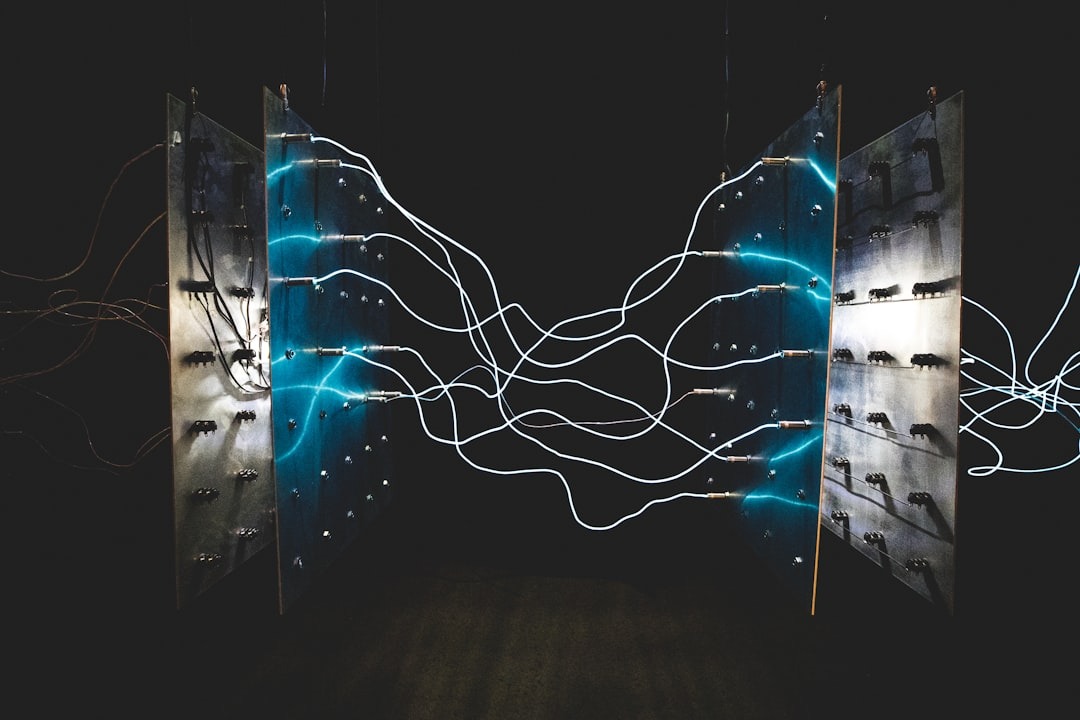
The global energy transition has a storage problem. Solar panels don’t produce electricity at night. Wind turbines don’t spin on command. Meanwhile, electric vehicles demand longer range, faster charging, and safer battery chemistry. As a result, the future of clean energy depends not just on generation — but on storage. In 2026, next-gen batteries and…
-

Clean technology is no longer a cottage industry limited to niche sustainability funds or CSR budgets. By 2026, clean tech will have become one of the most significant — and fastest-growing — sectors in global investment portfolios. As governments tighten climate policy, major corporations commit to net-zero targets, and consumers demand greener products, capital is…
-

Digital-first has become more than a slogan. It’s a strategic imperative that separates companies thriving in volatile markets from those struggling to stay relevant. In 2025, enterprises realised that digital transformation isn’t just about adopting new tools—it’s about rethinking how businesses operate, innovate, and deliver value from the ground up. Today’s digital-first organisations are redefining…
-

Artificial intelligence promised objectivity. Instead, it inherited our blind spots. Across industries—from healthcare and hiring to finance and criminal justice—predictive systems shape who gets loans, who receives medical care faster, and even who gets flagged as a risk. Yet despite advances in machine learning, AI bias and algorithmic fairness remain stubborn, systemic challenges. The uncomfortable…
-
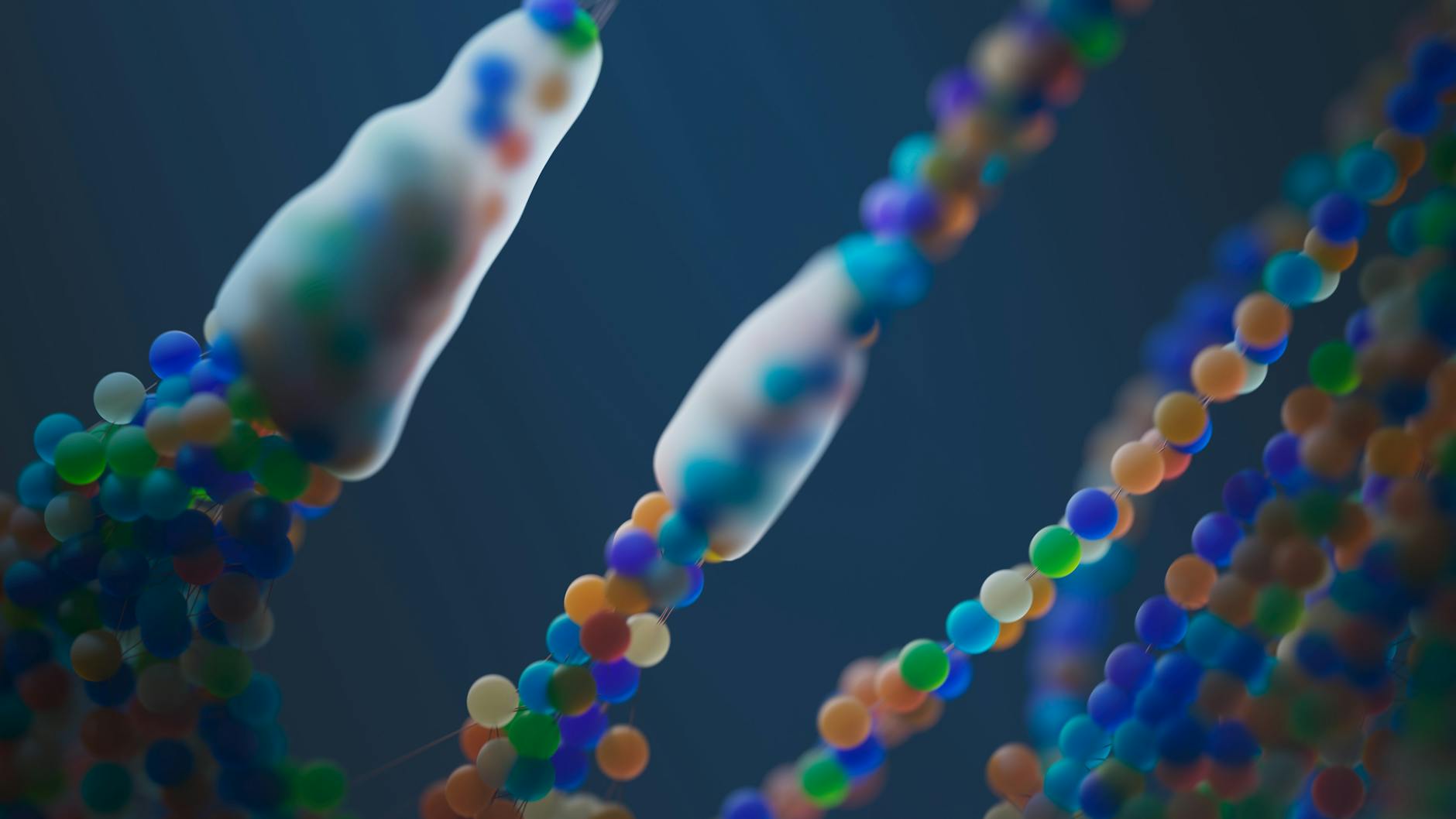
A decade ago, bioinformatics sat quietly inside research labs. Today, it sits at the centre of biotech strategy, pharmaceutical R&D, genomic medicine, and even AI-driven healthcare startups. In 2026, biology no longer moves forward without code. Bioinformatics—the discipline that merges biology, data science, and computational modelling—has evolved from a niche academic speciality into a core…
-

For most of the modern era, biotechnology and digital technology evolved in parallel. One decoded life. The other digitised information. However, that separation is rapidly dissolving. Today, DNA is treated like code. Cells are engineered like programmable systems. Drug discovery is accelerated by artificial intelligence. Biological data is processed in cloud-scale environments. In short, biotechnology…
-

For decades, space exploration moved at a deliberate pace. Launches were rare. Missions were state-controlled. Budgets were immense. Progress was steady—but slow. Today, however, space technology is advancing faster than almost anyone predicted. Reusable rockets land autonomously. Private companies deploy thousands of satellites annually. AI navigates spacecraft millions of miles from Earth. Human missions to…
-

For centuries, medicine has fought disease at the macro level. We swallow pills. We undergo surgery. We inject therapies into the bloodstream and hope they reach the right target. Treatments circulate broadly, often affecting healthy tissue alongside diseased cells. Nanotechnology changes that paradigm entirely. Instead of treating illness with blunt instruments, nanotechnology operates at the…
-
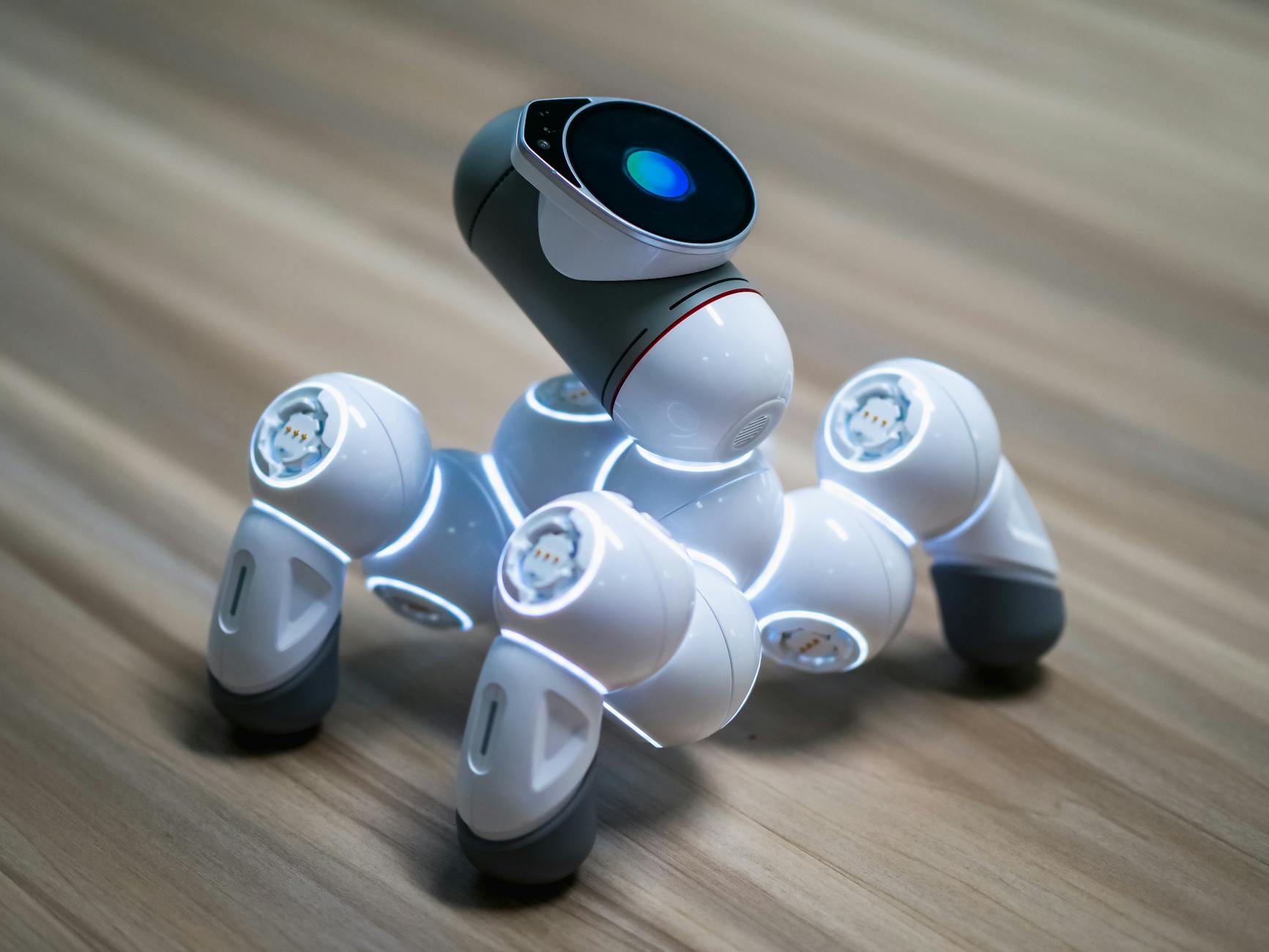
For centuries, industrial revolutions have been defined by materials. The Bronze Age reshaped tools and warfare. The Industrial Revolution accelerated with steel. The 20th century scaled on plastics and semiconductors. Now, however, a new class of materials is emerging—materials that respond, adapt, self-heal, and even think. Smart materials could power the next industrial shift. Unlike…
-

Ransomware is no longer a blunt, opportunistic threat. It has evolved into a sophisticated, multi-layered business model that targets organisations, governments, and critical infrastructure with precision. Once confined to generic “spray-and-pray” campaigns, ransomware now leverages advanced tactics: AI-guided attacks, lateral movement within networks, and double extortion schemes that demand both payment and sensitive data disclosure.…