
Category: software
-

Passwordless Authentication: The password has protected our digital lives. From email accounts to banking applications, passwords have been the first line of defence against unauthorised access. However, that system has always had a major weakness. People are bad at managing passwords. They reuse them. They forget them. They create simple combinations that attackers can easily…
-

Imagine a factory that can predict a machine failure before it happens. Technology? Imagine a city that can simulate traffic changes before building new roads. Imagine a hospital that can create a virtual model of a patient to improve treatment decisions. This is no longer science fiction. It is the promise of digital twin technology.…
-
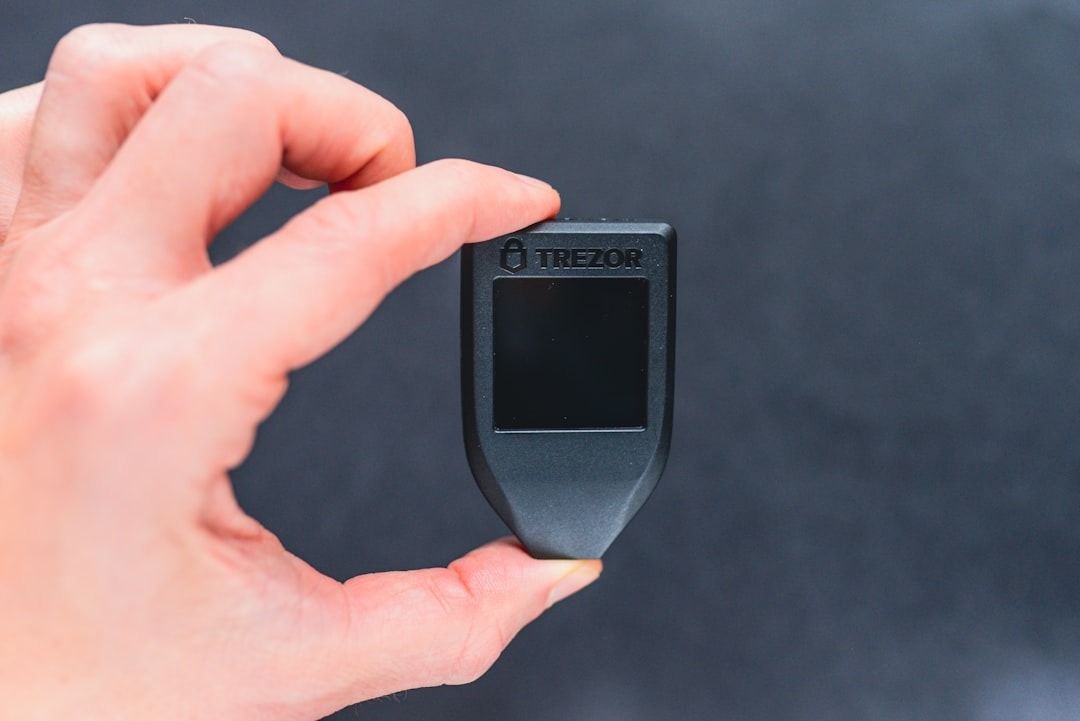
From unlocking smartphones with a glance to passing through airport gates without showing a passport, biometric security is rapidly becoming the new standard for identity verification. Fingerprints, facial recognition, voice patterns, and even behavioural traits are replacing traditional passwords—offering convenience and speed. But as adoption accelerates in 2026, a critical concern emerges:👉 What happens when…
-

Smart homes are no longer a futuristic concept—they are now a part of everyday life. From smart TVs and voice assistants to connected door locks and security cameras, the Internet of Things (IoT) is transforming how we live. But as convenience increases, so do the risks. In 2026, IoT security has become a critical concern,…
-
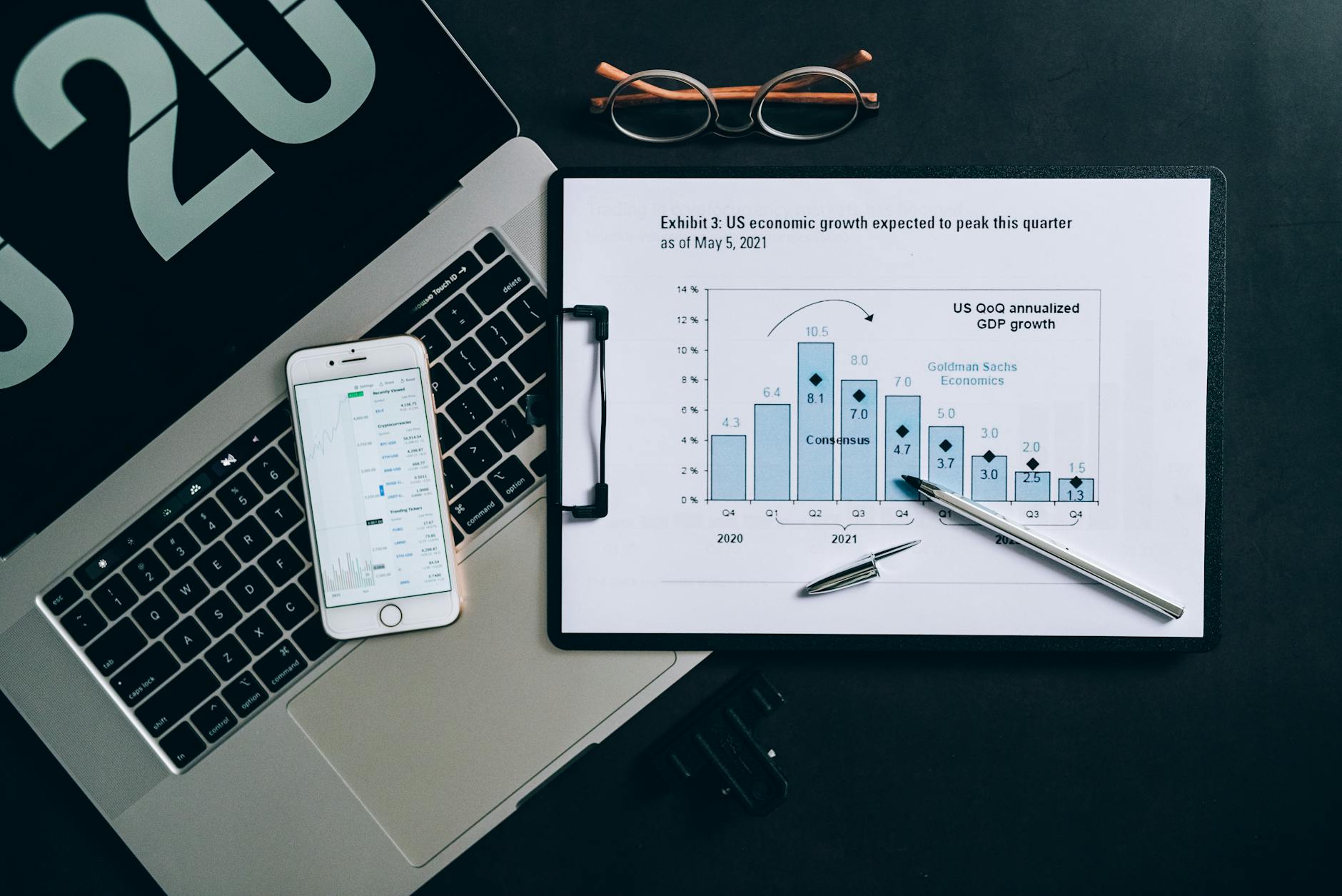
The idea of a circular economy has moved from boardroom presentations to operational reality. By 2026, businesses worldwide are realizing that linear models — take, make, dispose — are unsustainable. The key driver? IoT technology, turning everyday objects into data-rich assets that inform reuse, recycling, and regeneration. Smart sensors, connected devices, and AI-driven analytics are…
-

Clean technology is no longer a cottage industry limited to niche sustainability funds or CSR budgets. By 2026, clean tech will have become one of the most significant — and fastest-growing — sectors in global investment portfolios. As governments tighten climate policy, major corporations commit to net-zero targets, and consumers demand greener products, capital is…
-
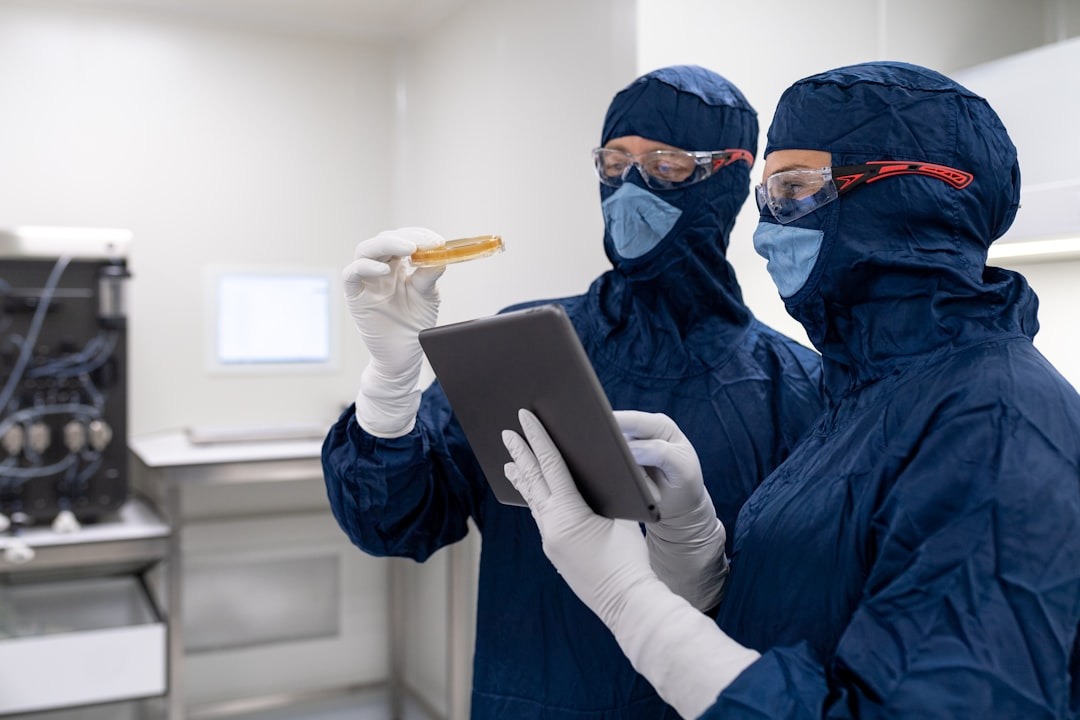
For most of the modern era, biotechnology and digital technology evolved in parallel. One decoded life. The other digitised information. However, that separation is rapidly dissolving. Today, DNA is treated like code. Cells are engineered like programmable systems. Drug discovery is accelerated by artificial intelligence. Biological data is processed in cloud-scale environments. In short, biotechnology…
-
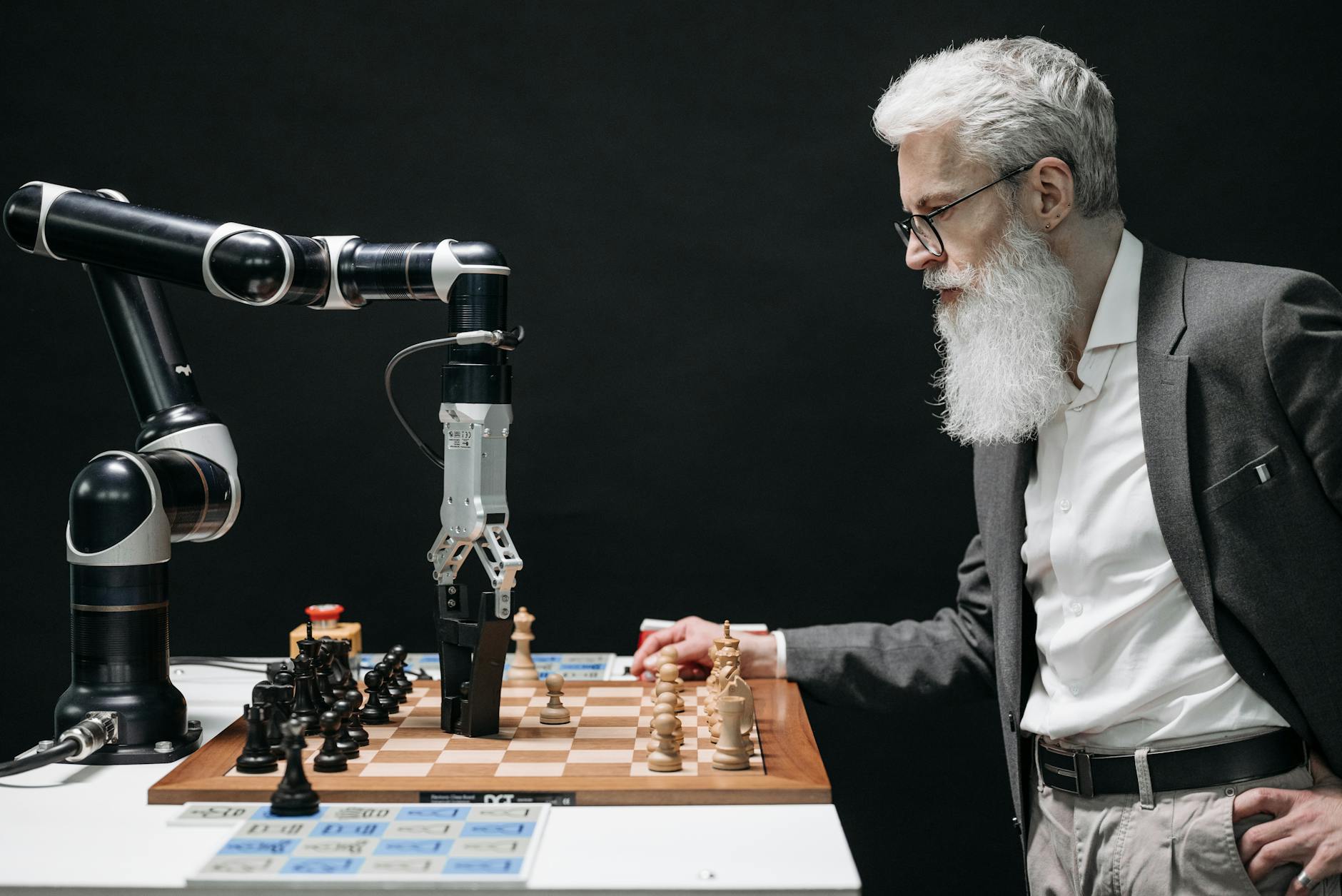
For decades, humans adapted to machines. We learned programming languages. We memorised keyboard shortcuts. We navigated rigid interfaces designed around hardware limitations. Now, however, the balance is shifting. Machines are adapting to us. The future of human-machine interaction (HMI) will not revolve solely around keyboards, touchscreens, or even smartphones. Instead, it will be shaped by…
-
Ransomware is no longer a blunt, opportunistic threat. It has evolved into a sophisticated, multi-layered business model that targets organisations, governments, and critical infrastructure with precision. Once confined to generic “spray-and-pray” campaigns, ransomware now leverages advanced tactics: AI-guided attacks, lateral movement within networks, and double extortion schemes that demand both payment and sensitive data disclosure.…
-
Software development is no longer just about writing code line by line. Today, modern frameworks act as scaffolding for developers, accelerating production, reducing errors, and enabling teams to focus on innovation rather than boilerplate. From web applications to mobile apps, frameworks like React, Angular, Vue, and Flutter have transformed the way developers approach design, testing,…