
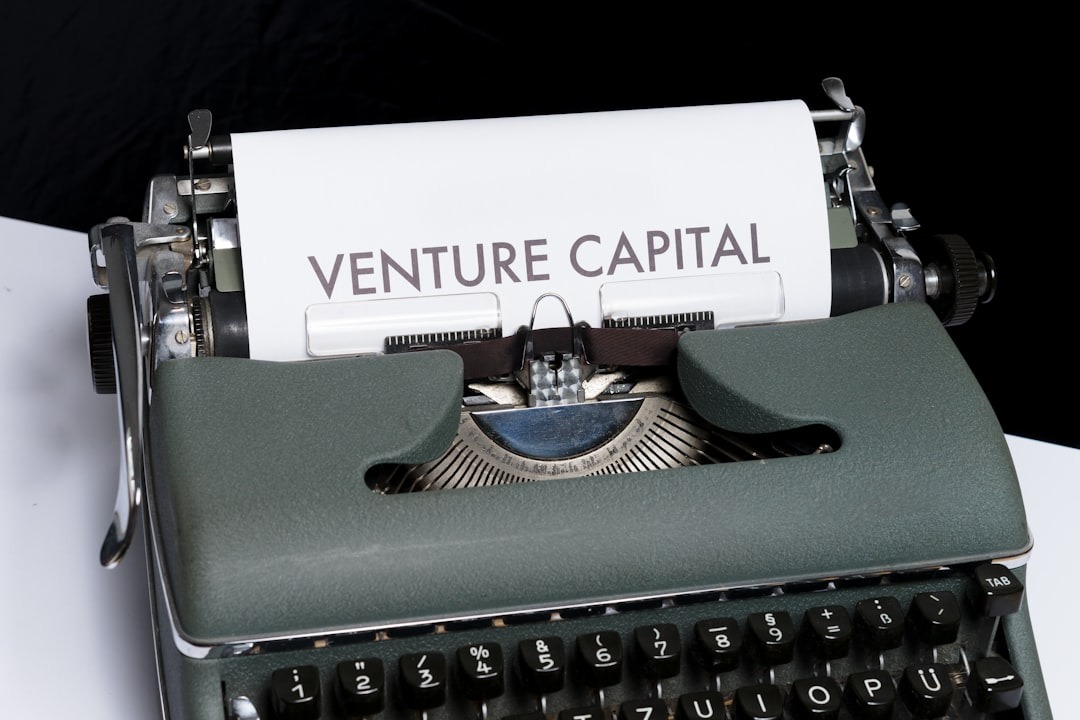
Startup funding is often portrayed as glamorous. In reality, it is a long, complex journey filled with trade-offs, pressure, and strategic decisions that shape a company’s future.
Funding Is a Journey, Not a Single Moment
Startup funding is frequently misunderstood.
On the surface, it looks like a simple progression: raise money, build a product, grow fast, and go public. However, behind the scenes, funding is far more nuanced — and far more demanding.
In reality, each funding stage represents a shift in expectations, risk, and responsibility. Moreover, the decisions founders make early often determine how far they can go later.
As a result, understanding how startup funding really works is essential — not only for founders, but also for anyone trying to understand the tech ecosystem.
First, It Usually Starts With Bootstrapping or Pre-Seed Capital
Before investors get involved, most startups begin with bootstrapping.
At this stage, founders rely on:
- Personal savings
- Early revenue
- Friends and family
Because resources are limited, focus becomes critical. Therefore, founders prioritize learning over scaling.
Pre-seed funding, when available, is typically used to:
- Validate an idea
- Build a basic prototype
- Test early demand
Importantly, investors at this stage are betting on people and potential, not metrics.
Then Comes Seed Funding: Turning Vision Into Reality
Seed funding is often the first “official” investment round.
At this point, startups usually have:
- A defined problem
- An MVP or early product
- Initial user feedback
However, revenue is often minimal or nonexistent.
Therefore, seed investors focus on:
- Market size
- Founder capability
- Early traction signals
As a result, seed funding is about proving that the startup deserves to exist.
How Tech Startups Turn Ideas Into Real Products
Meanwhile, Expectations Begin to Shift Quickly
Once seed funding is secured, the clock starts ticking.
Investors now expect progress — not perfection, but momentum.
Consequently, startups must:
- Improve the product rapidly
- Demonstrate user engagement
- Clarify their go-to-market strategy
At the same time, burn rate becomes visible, which adds pressure.
This is often where execution gaps begin to appear.
Next, Series A Is About Proving the Business Model
Series A funding marks a major transition.
While seed funding supports exploration, Series A demands validation.
At this stage, investors are asking:
- Can this business scale?
- Is there repeatable demand?
- Are unit economics improving?
As a result, startups must show clear signs of product-market fit.
Importantly, many startups fail here — not because they lack users, but because growth is not efficient or predictable.
At the Same Time, Control and Dilution Become Real Issues
With each funding round, founders give up equity.
Therefore, funding decisions are also ownership decisions.
As startups raise more capital:
- Investor influence increases
- Board dynamics evolve
- Founder control gradually decreases
Because of this, smart founders raise only what they need — not what they can.
Then Come Series B and C: Scaling Under Pressure
If Series A proves viability, Series B and C focus on scaling aggressively.
At this stage, funding is used to:
- Expand teams
- Enter new markets
- Invest heavily in infrastructure
- Accelerate sales and marketing
However, expectations rise dramatically.
Growth must be fast, measurable, and defensible.
As a result, startups that cannot scale efficiently often stall — even with strong products.
Why So Many Tech Startups Fail Early
Meanwhile, Metrics Begin to Matter More Than Vision
Earlier, storytelling mattered most. Now, numbers take center stage.
Investors focus on:
- Revenue growth
- Customer acquisition costs
- Retention rates
- Gross margins
Because of this, startups become more operationally disciplined.
While vision still matters, execution quality becomes the deciding factor.
At the Same Time, Exit Paths Start to Form
As startups mature, conversations shift toward exits.
Typically, these include:
- Acquisition
- Merger
- IPO
Interestingly, most startups never reach an IPO.
Instead, acquisitions are far more common — often driven by strategic alignment rather than pure financial performance.
IPO: The Most Visible — And Most Demanding — Outcome
An IPO is often seen as the ultimate goal. However, it is not an ending — it is a transformation.
Going public introduces:
- Regulatory scrutiny
- Quarterly performance pressure
- Public accountability
As a result, only startups with strong fundamentals, predictable revenue, and mature leadership teams make it this far.
Even then, timing matters.
Market conditions can delay or derail IPO plans entirely.
However, Funding Is Not the Same as Success
Raising money does not guarantee success.
In fact, excessive funding can:
- Mask weak fundamentals
- Encourage premature scaling
- Increase failure impact
Therefore, some of the most resilient companies are not the most funded — but the most focused.
Looking Ahead: Smarter Capital, Fewer Illusions
Today’s funding environment is becoming more disciplined.
Investors are prioritizing:
- Sustainability over hype
- Clear paths to profitability
- Strong execution teams
As a result, startups must be sharper, leaner, and more intentional than ever before.
Final Thoughts
Startup funding is not a straight line. It is a sequence of tests — each one harder than the last.
From seed to IPO, every round reshapes the company, the team, and the product.
Understanding how funding really works does not make the journey easy. However, it makes it far more navigable.
In a fast-moving tech ecosystem, clarity is often the most valuable form of capital.

Unleash Innovation with Digital Insights
Explore our blog for the latest trends and insights in software development, designed to inspire innovation and drive business success.


Leave a Reply