
Tag: technology
-

Technology moves fast. Unfortunately, misinformation about technology moves even faster. Despite living in an era defined by smartphones, cloud computing, and artificial intelligence, many people—founders, professionals, and even decision-makers—still operate under outdated or flat-out wrong assumptions about how technology works. These myths don’t just confuse; they actively shape bad choices, wasted budgets, and unrealistic expectations.…
-
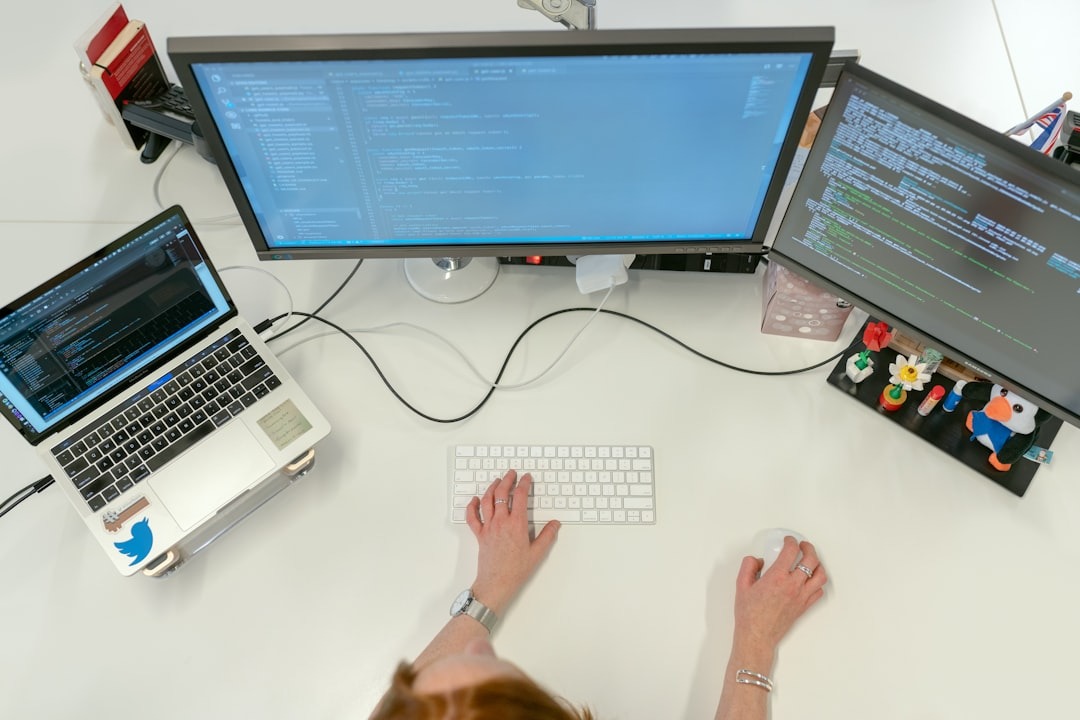
Software development has always been a craft shaped by tools. From punch cards to IDEs, from waterfall to agile, every leap forward has redefined what it means to “build software.” Today, artificial intelligence is triggering the most radical shift yet—one that doesn’t just improve how developers work, but fundamentally changes who (or what) does the…
-
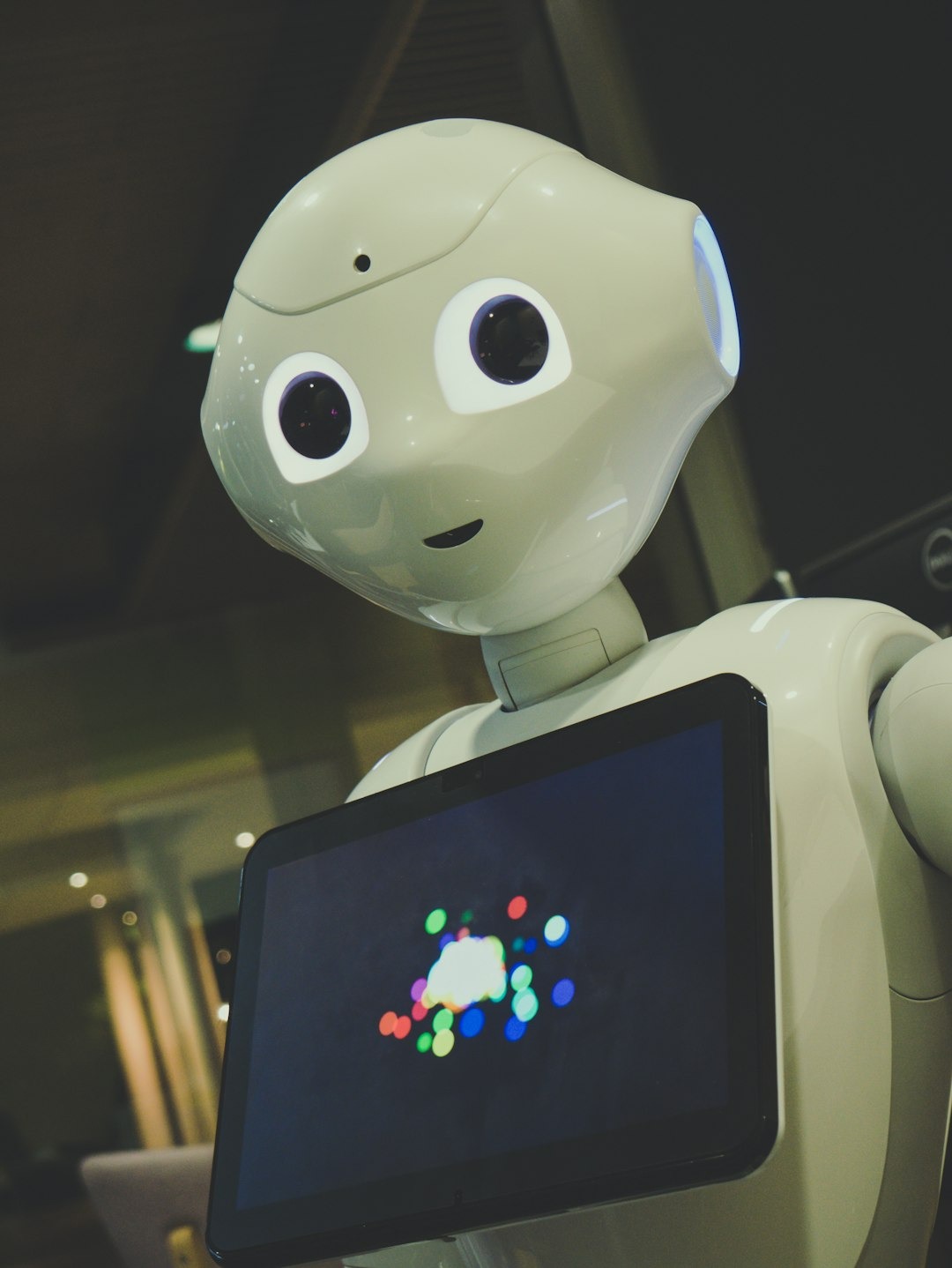
Artificial Intelligence—once the stuff of science fiction—now quietly shapes decisions that matter profoundly in people’s lives: who gets a job interview, whether a loan is approved, how healthcare is administered, and even the length of a prison sentence. The promise of AI has always been seductive: a future where decisions are swift, data-driven, and, above…
-
Every company says it’s “exploring AI.”Many claim they’re already “AI-powered.”Very few are honest about why they’re rushing in — or what happens if they don’t. Artificial intelligence has moved from the periphery of business strategy to its core with remarkable speed. In boardrooms, earnings calls, and internal roadmaps, AI is no longer framed as an…
-
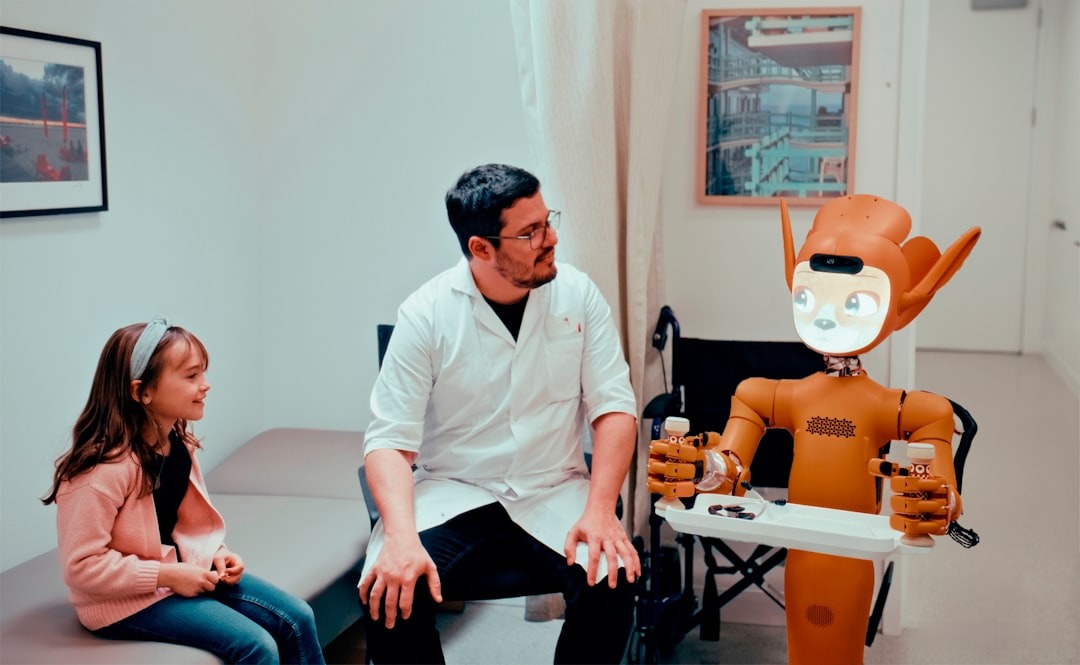
AI did not arrive in healthcare with a single, dramatic breakthrough. There was no moment when hospitals flipped a switch and suddenly became “AI-powered.” Instead, the transformation has unfolded in fragments—inside radiology departments, behind lab dashboards, within triage software, and deep inside hospital logistics systems. In many cases, patients never know it’s happening. Yet across…
-
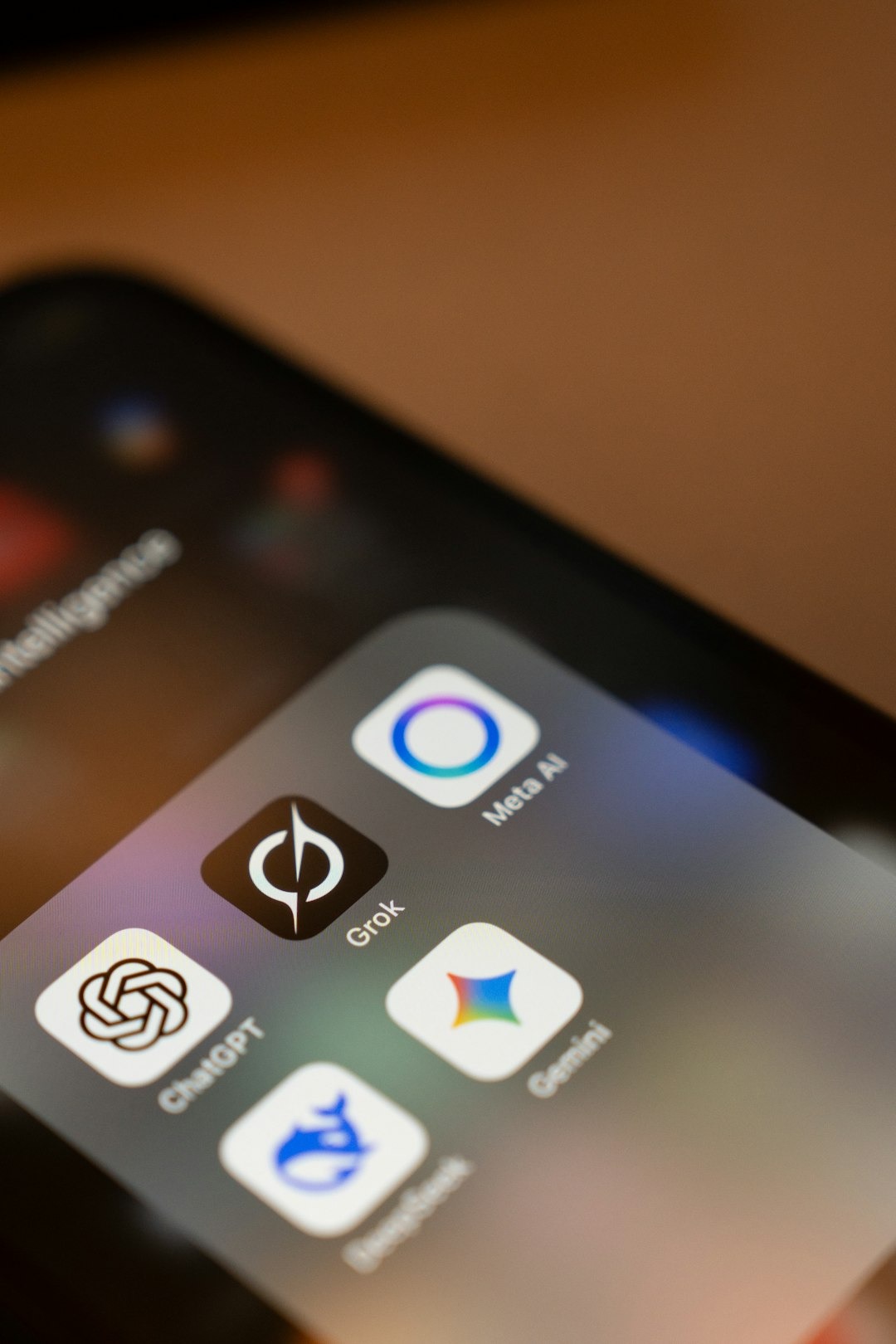
AI didn’t take over overnight. There was no single moment when professionals collectively decided to hand their work to machines. Instead, AI crept in quietly — one automation here, one recommendation engine there — until it became less of a novelty and more of an invisible colleague. Today, many of the most impactful AI tools…
-
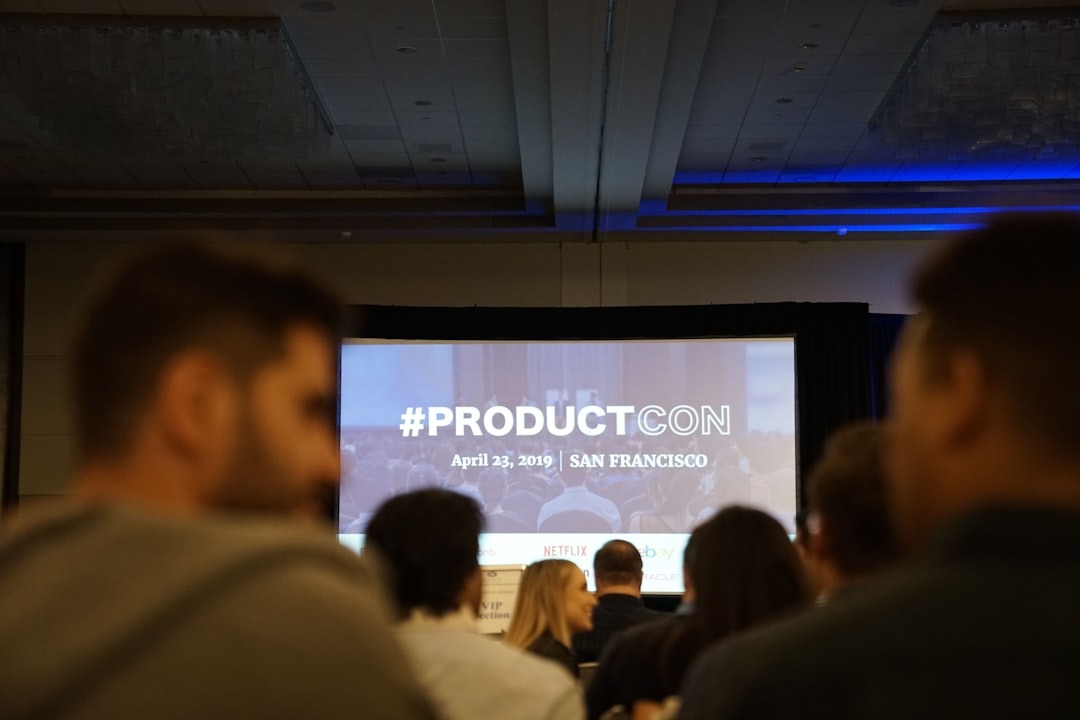
Every startup claims to be chasing it. Few can clearly define when they’ve found it.Even fewer can explain how they lost it. Product-market fit has become one of the most overused phrases in tech — repeated in pitch decks, accelerator demos, and investor memos until its meaning feels diluted. Yet beneath the buzzword lies a…
-
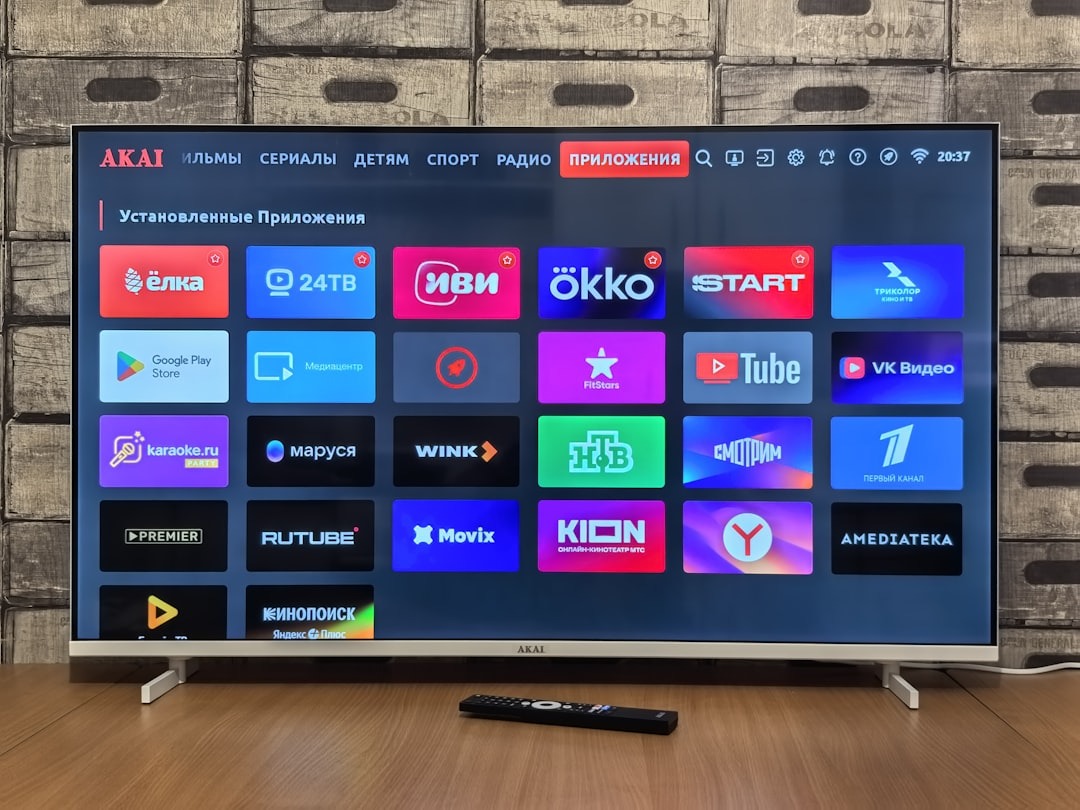
Entertainment used to move in one direction. A screen lit up. A story unfolded. An audience watched. That model held for decades—through cinema, television, radio, and even early streaming. But somewhere between live-stream chats, open-world games, and algorithm-driven platforms, the boundary between creator and consumer began to erode. What replaced it wasn’t just a new…
-

For most of the past century, music production had a physical address. It lived in studios, controlled spaces filled with expensive hardware, acoustic treatments, and institutional gatekeepers. Access shaped sound. Budget-shaped ambition. Time shaped creativity. That model didn’t collapse overnight. Instead, it quietly dissolved, line by line of code, plugin by plugin, update by update.…
-

It begins with an idea scribbled on a napkin. Then it becomes a prototype coded in a dorm room or coworking space. A small team launches into the unknown, armed with a pitch deck, a social media following, and sometimes a single angel check. Today, the stakes are different. Startups are no longer just small…