
Tag: technology
-

For decades, software creation belonged to a narrow group. If you couldn’t code, you couldn’t build. Ideas waited for developers. Innovation is bottlenecked at technical scarcity. That era is ending. No-code tools are not merely simplifying software development—they are redistributing creative power across organisations, industries, and geographies. And increasingly, the results aren’t side projects. They’re…
-
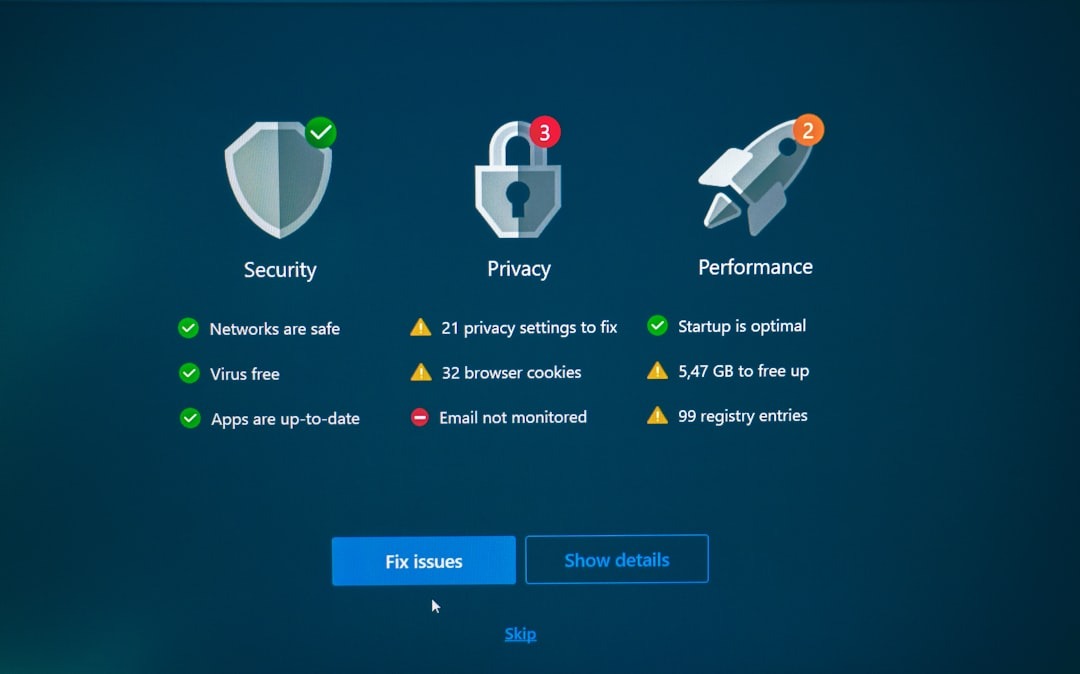
Cybersecurity no longer fails in spectacular explosions. Instead, it erodes quietly—through compromised credentials, poisoned data, and systems that keep running even after attackers slip inside. That subtlety defines the most dangerous cyber threats right now. For years, security teams focused on perimeter defence. However, the modern threat landscape ignores perimeters entirely. Attackers now move laterally,…
-

For years, 5G was marketed as a revolution that would arrive with fireworks. Instead, its real impact crept in quietly—woven into everyday experiences most people barely notice. That subtlety, however, doesn’t make it any less transformative. In fact, it’s precisely because 5G fades into the background that its influence now runs so deep. Unlike previous…
-

Mention blockchain, and most people still think of price charts, speculative bubbles, and overnight fortunes. That association is understandable—but outdated. While headlines fixated on volatility, blockchain slipped into less glamorous spaces: logistics, healthcare, identity, infrastructure, and governance. No hype cycles. No memes. Just systems quietly doing what blockchains do best—creating trust where trust used to…
-

At its peak, Web3 didn’t just promise better technology.It promised escape. Escape from Big Tech platforms. Escape from centralized control. Escape from business models built on surveillance and extraction. The pitch sounded almost utopian: an internet owned by users, governed by code, and powered by decentralized networks instead of corporate gatekeepers. A few years later,…
-
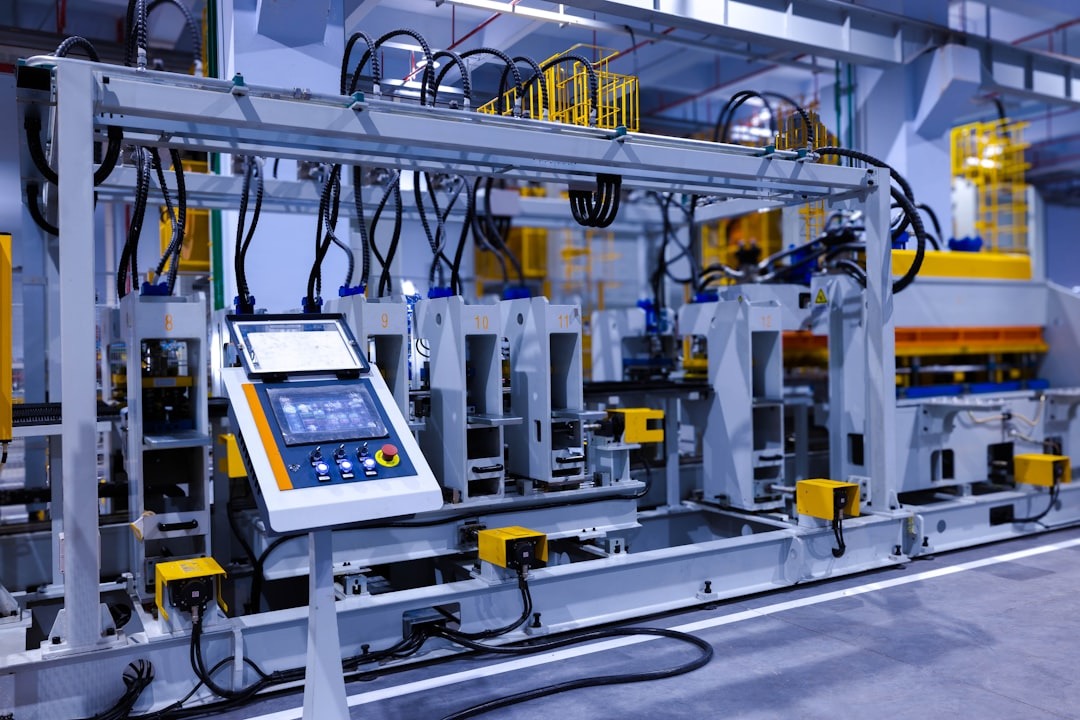
Walk into a modern factory, and you might not notice the revolution at first. There’s no dramatic countdown. No sudden replacement of humans by machines. Instead, robotic arms glide with calm precision. Autonomous vehicles move materials without pause. Vision systems inspect parts faster than any human ever could. Manufacturing isn’t changing overnight.It’s changing every day.…
-

For decades, brain–computer interfaces lived comfortably in science fiction—wires in skulls, glowing screens, and telepathic control reserved for cyberpunk futures. That future has quietly slipped into the present. Brain–computer interfaces, or BCIs, no longer exist solely in academic papers or speculative novels. Instead, they now restore movement, translate thoughts into text, and allow paralysed patients…
-
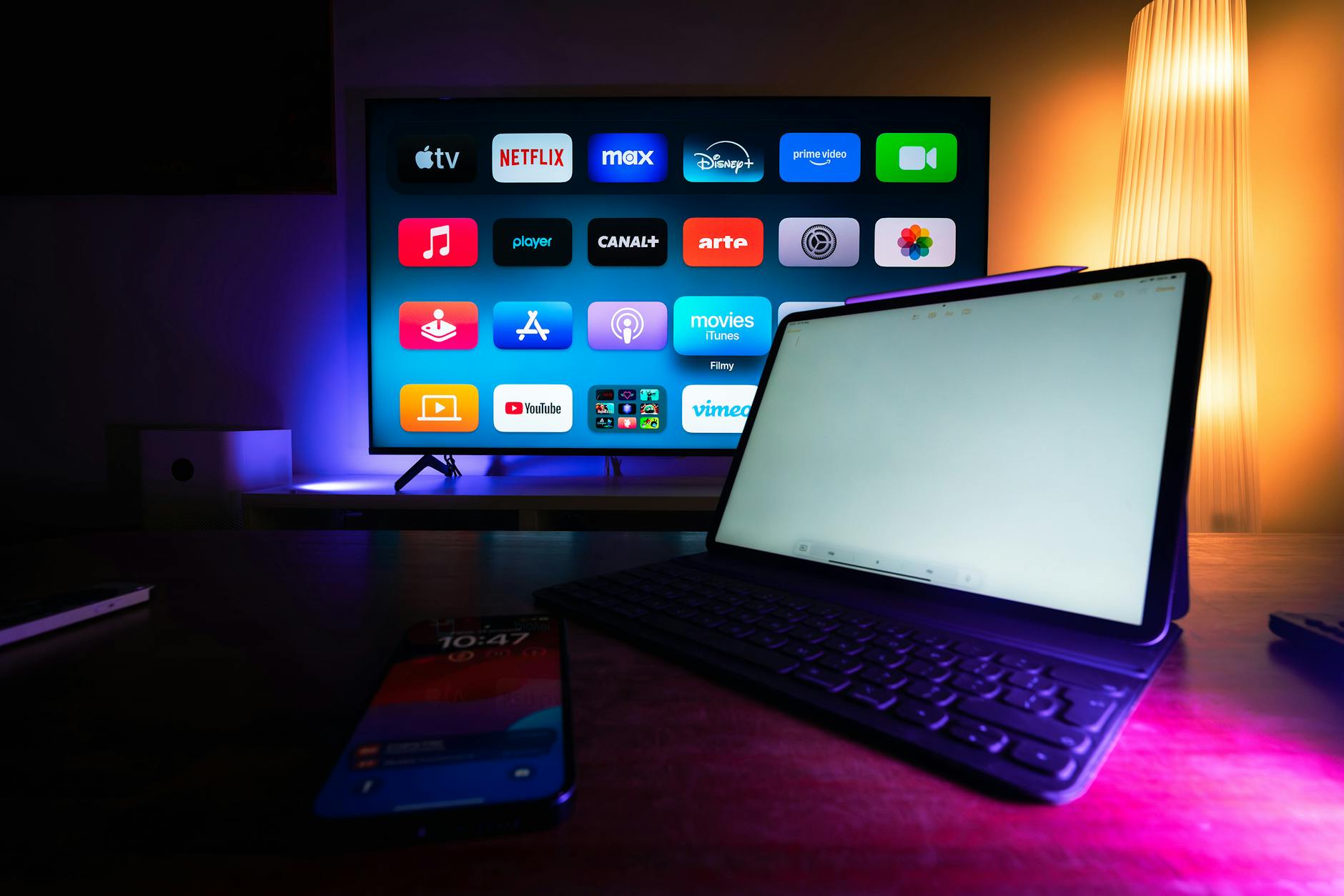
From adaptive bitrate streaming and global content delivery networks to machine-learning-driven personalisation and real-time analytics, modern streaming platforms are engineering marvels. This deep dive explains how Netflix, YouTube, Amazon Prime Video, and Spotify actually work under the hood, how data travels from server to screen, and why milliseconds matter more than ever. We explore the…
-

Every night, millions of people open streaming apps believing they’re choosing what to watch. In reality, much of that choice has already been made. Recommendation algorithms—quiet, persistent, and deeply optimised—now act as the most powerful editors in modern media. They don’t create movies or videos. They don’t write scripts or direct scenes. Yet they decide…
-
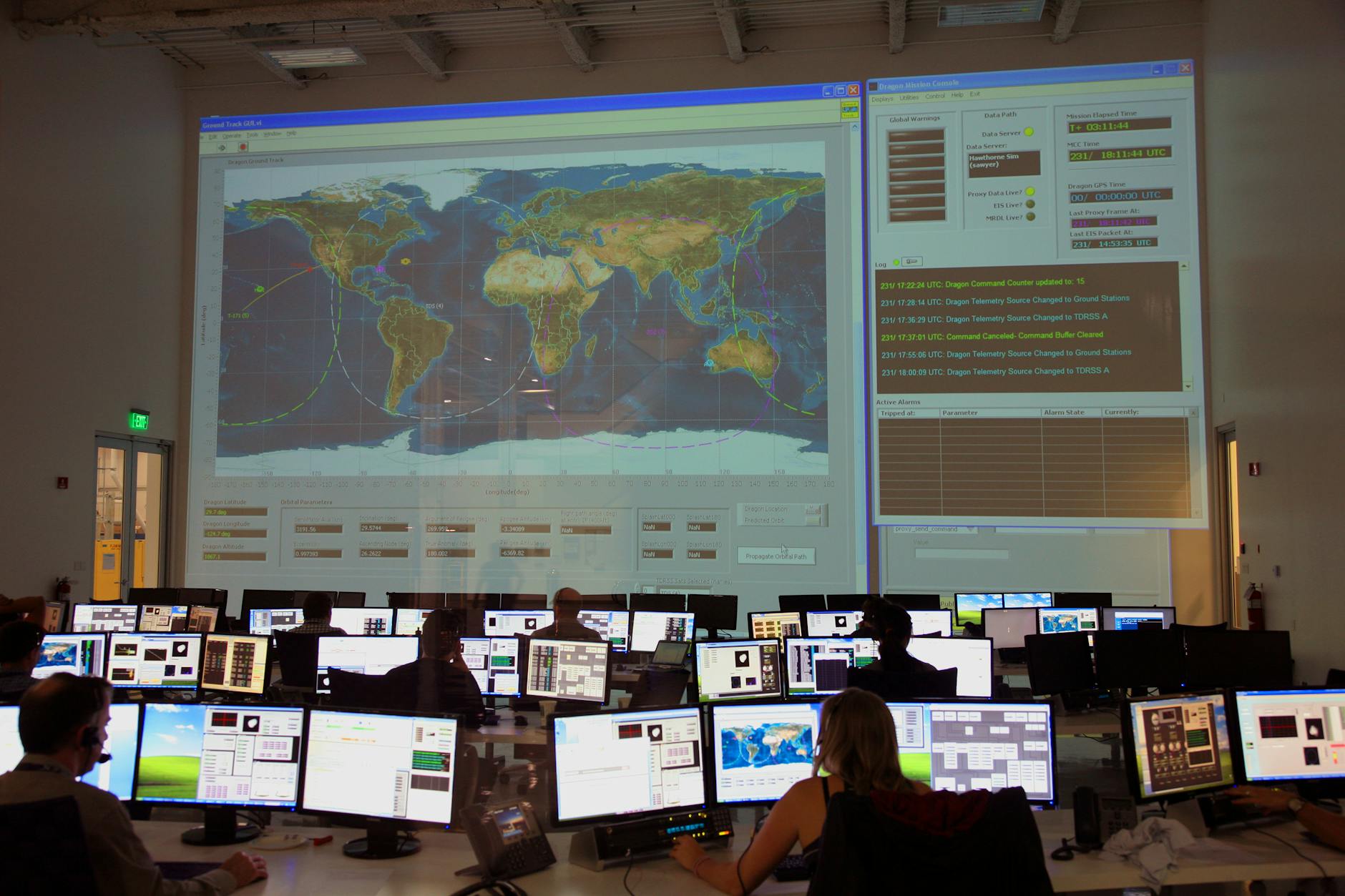
For much of modern history, economic change followed familiar patterns: industrialisation, globalisation, and financialisation. Today, however, technology is rewriting those rules in ways that are subtle, uneven, and deeply disruptive. The global economy is no longer just growing or shrinking—it’s reorganising. And not always in the ways policymakers expected. Digital Leapfrogging Is Redrawing Economic Maps…