
Tag: TechNews
-

Every click, stream, search, and AI prompt runs through a data centre. Yet while the digital economy feels weightless, the infrastructure behind it is anything but. Data centres consume massive amounts of electricity, require advanced cooling systems, and operate 24/7 without pause. As artificial intelligence, cloud computing, and streaming services expand rapidly, energy demand from…
-

For years, carbon capture carried a reputation problem. Critics dismissed it as expensive, unscalable, or a convenient excuse for polluters to delay real change. Supporters, meanwhile, argued it was essential for sectors that simply cannot eliminate emissions overnight. In 2026, the debate is shifting. Carbon capture is no longer theoretical. Several technologies are operational, measurable,…
-

Humanity’s climate challenge is vast and complex. Rising temperatures, changing weather patterns, biodiversity loss, and carbon emissions don’t follow tidy equations. Traditional models struggle to deliver reliable forecasts at the scale policymakers need. Enter artificial intelligence. AI isn’t just speeding up climate analysis — it’s reshaping how the world understands, predicts, and responds to environmental…
-

Clean technology is no longer a cottage industry limited to niche sustainability funds or CSR budgets. By 2026, clean tech will have become one of the most significant — and fastest-growing — sectors in global investment portfolios. As governments tighten climate policy, major corporations commit to net-zero targets, and consumers demand greener products, capital is…
-

Artificial intelligence promised objectivity. Instead, it inherited our blind spots. Across industries—from healthcare and hiring to finance and criminal justice—predictive systems shape who gets loans, who receives medical care faster, and even who gets flagged as a risk. Yet despite advances in machine learning, AI bias and algorithmic fairness remain stubborn, systemic challenges. The uncomfortable…
-
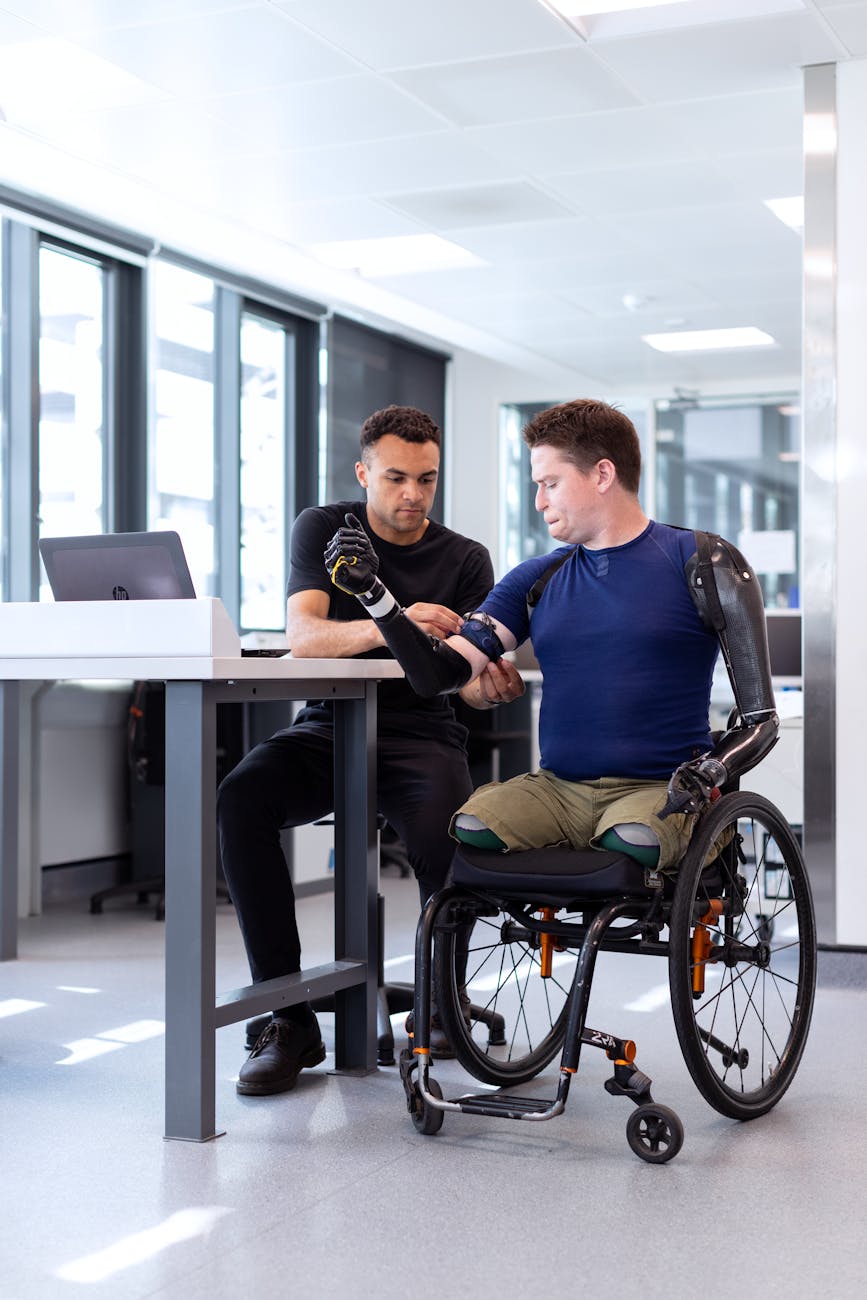
The question is no longer whether humans can enhance themselves. It’s whether we should—and under what rules. From gene editing and neural implants to AI-augmented cognition and bioengineered longevity, human enhancement technologies are accelerating. What once belonged to speculative fiction now occupies boardrooms, biotech labs, and policy debates. Yet innovation without ethical structure rarely ends…
-
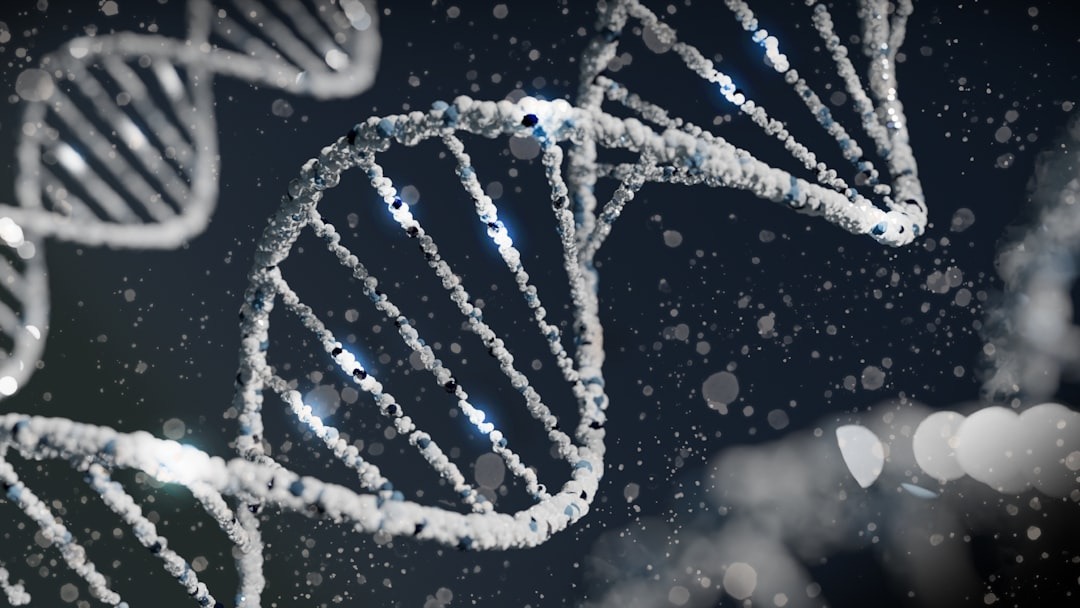
For decades, gene therapy lived on the edge of possibility. Scientists promised cures at the molecular level. Investors poured billions into biotech startups. Yet progress often felt incremental—punctuated by setbacks, safety concerns, and regulatory hesitation. Then, 2026 changed the tempo. This year marks a structural shift in how gene therapy is developed, delivered, and scaled.…
-

For centuries, medicine has fought disease at the macro level. We swallow pills. We undergo surgery. We inject therapies into the bloodstream and hope they reach the right target. Treatments circulate broadly, often affecting healthy tissue alongside diseased cells. Nanotechnology changes that paradigm entirely. Instead of treating illness with blunt instruments, nanotechnology operates at the…
-
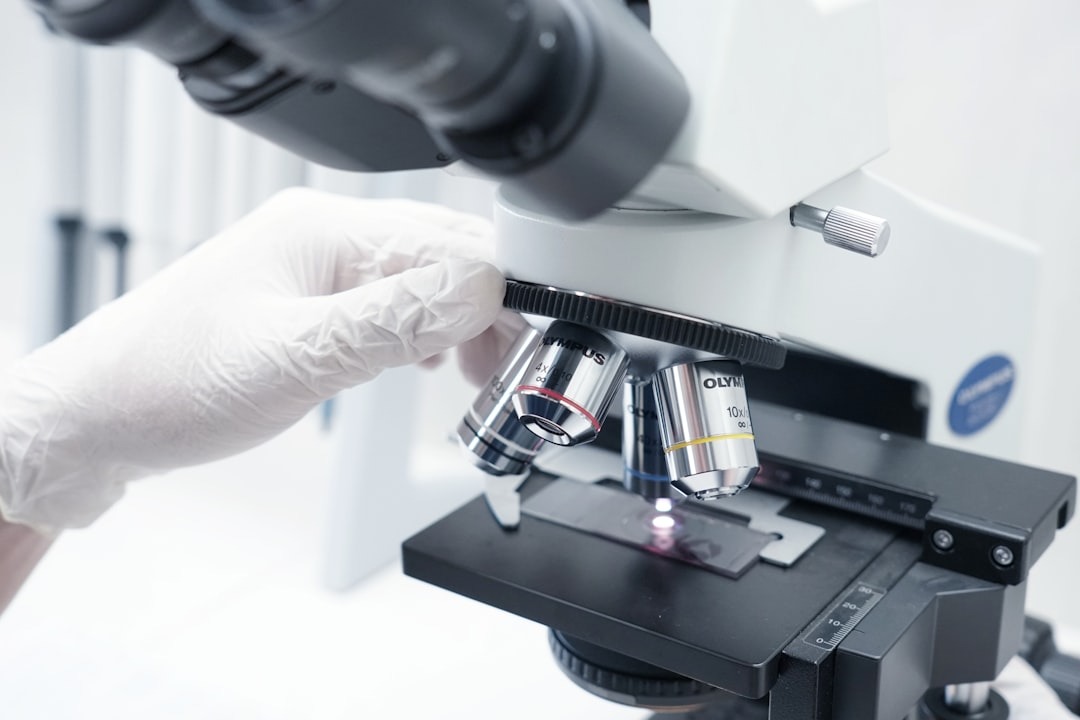
For most of modern history, biology and technology evolved along parallel tracks. Biology focuses on cells, organisms, and ecosystems. Technology centred on silicon, software, and systems. One studied life. The other engineered machines. Today, however, those boundaries are dissolving. Biotechnology and digital technology are rapidly merging—creating programmable biology, AI-driven drug discovery, bioengineered materials, and data-powered…
-
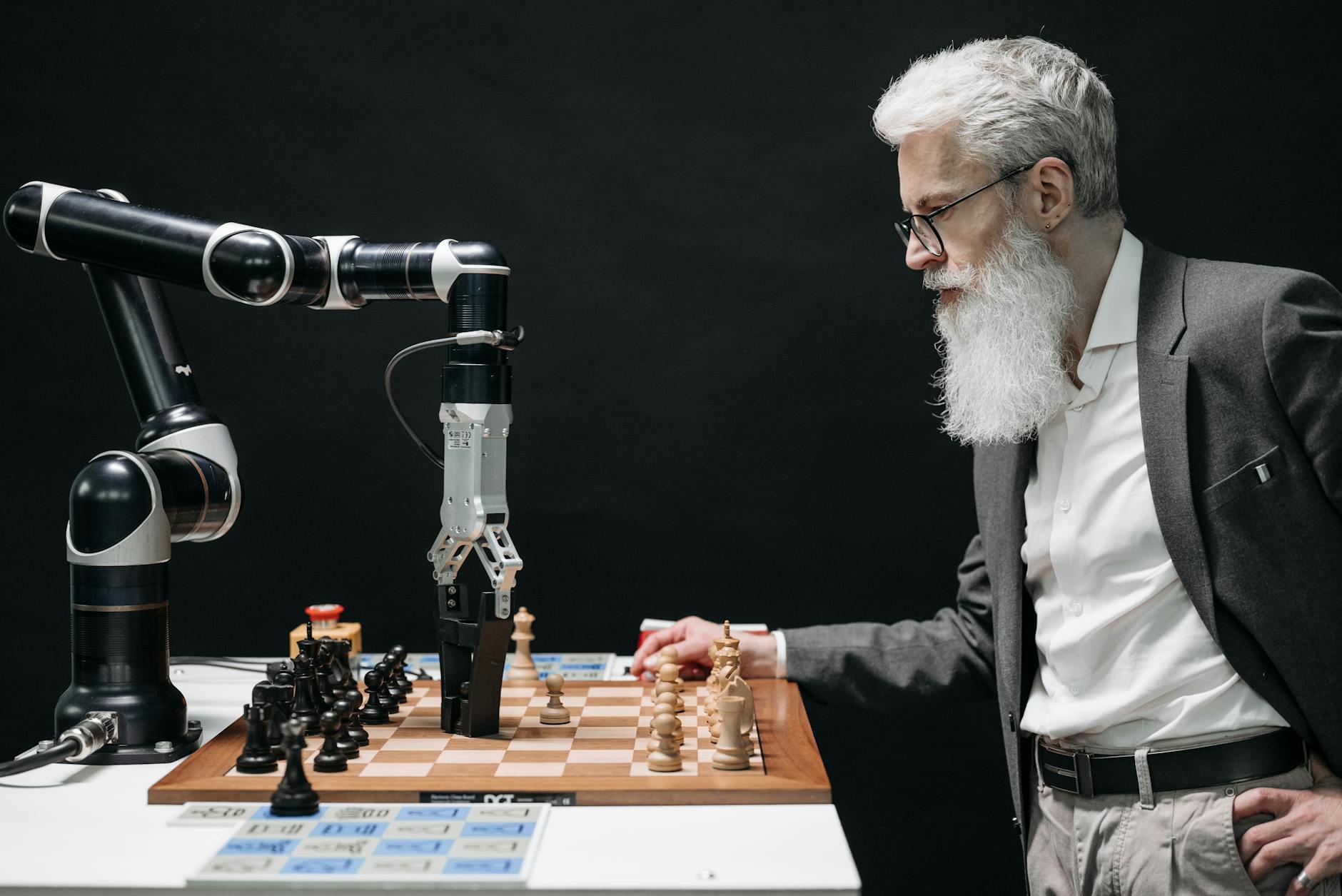
For decades, humans adapted to machines. We learned programming languages. We memorised keyboard shortcuts. We navigated rigid interfaces designed around hardware limitations. Now, however, the balance is shifting. Machines are adapting to us. The future of human-machine interaction (HMI) will not revolve solely around keyboards, touchscreens, or even smartphones. Instead, it will be shaped by…