
Tag: media
-
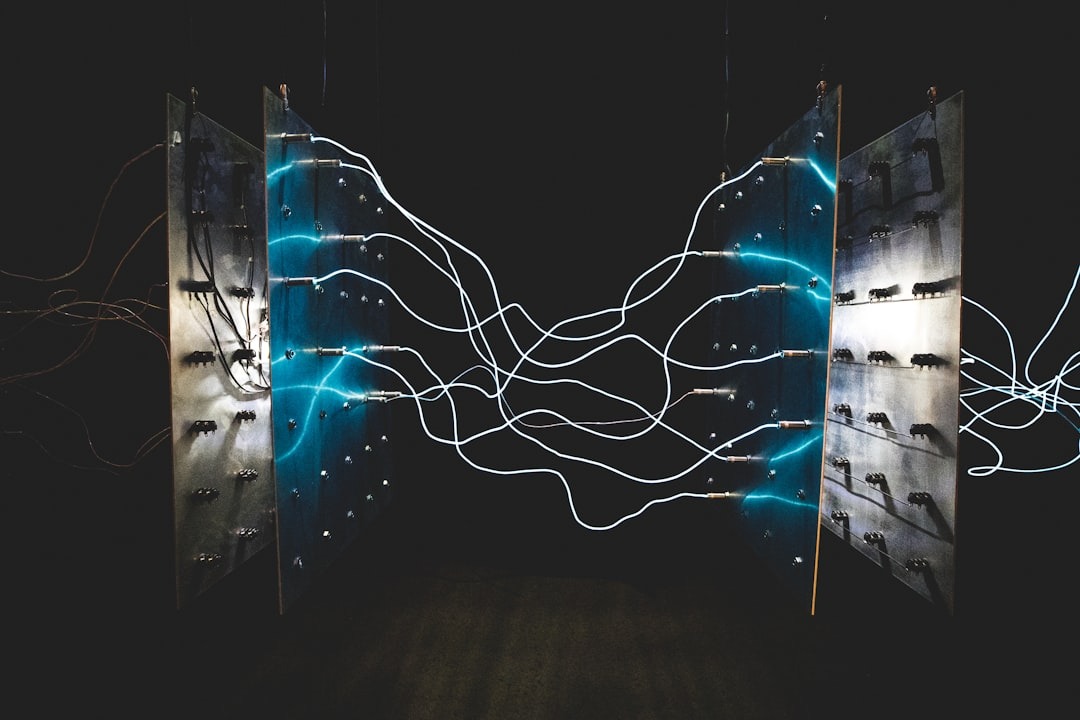
The global energy transition has a storage problem. Solar panels don’t produce electricity at night. Wind turbines don’t spin on command. Meanwhile, electric vehicles demand longer range, faster charging, and safer battery chemistry. As a result, the future of clean energy depends not just on generation — but on storage. In 2026, next-gen batteries and…
-
Humanity’s climate challenge is vast and complex. Rising temperatures, changing weather patterns, biodiversity loss, and carbon emissions don’t follow tidy equations. Traditional models struggle to deliver reliable forecasts at the scale policymakers need. Enter artificial intelligence. AI isn’t just speeding up climate analysis — it’s reshaping how the world understands, predicts, and responds to environmental…
-

Digital-first has become more than a slogan. It’s a strategic imperative that separates companies thriving in volatile markets from those struggling to stay relevant. In 2025, enterprises realised that digital transformation isn’t just about adopting new tools—it’s about rethinking how businesses operate, innovate, and deliver value from the ground up. Today’s digital-first organisations are redefining…
-
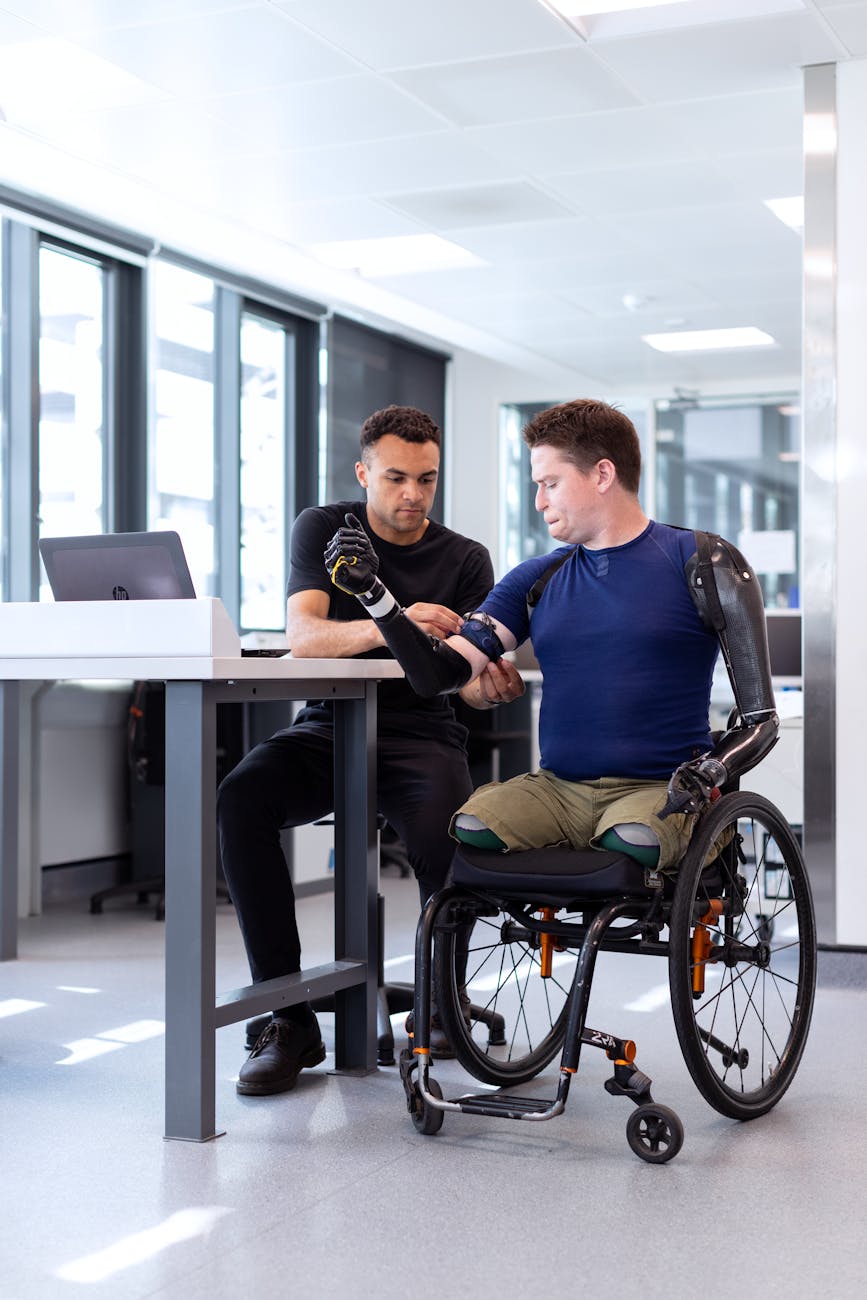
The question is no longer whether humans can enhance themselves. It’s whether we should—and under what rules. From gene editing and neural implants to AI-augmented cognition and bioengineered longevity, human enhancement technologies are accelerating. What once belonged to speculative fiction now occupies boardrooms, biotech labs, and policy debates. Yet innovation without ethical structure rarely ends…
-

For over a century, industrial growth has depended on fossil fuels and petrochemicals. Plastic, fuel, textiles, packaging—modern civilisation runs on carbon extracted from the ground. However, a new shift is underway. Instead of drilling for hydrocarbons, scientists are programming living cells to manufacture them. Synthetic biology is rapidly evolving from laboratory curiosity into industrial infrastructure.…
-

A tiny chip beneath the skin.A neural implant translating thoughts into movement.A cardiac device transmitting data to the cloud in real time. What once felt speculative now exists inside operating rooms—and increasingly, inside people. Implantable technology is advancing at a pace few predicted. Yet as these devices move from life-saving tools to lifestyle enhancements, one…
-
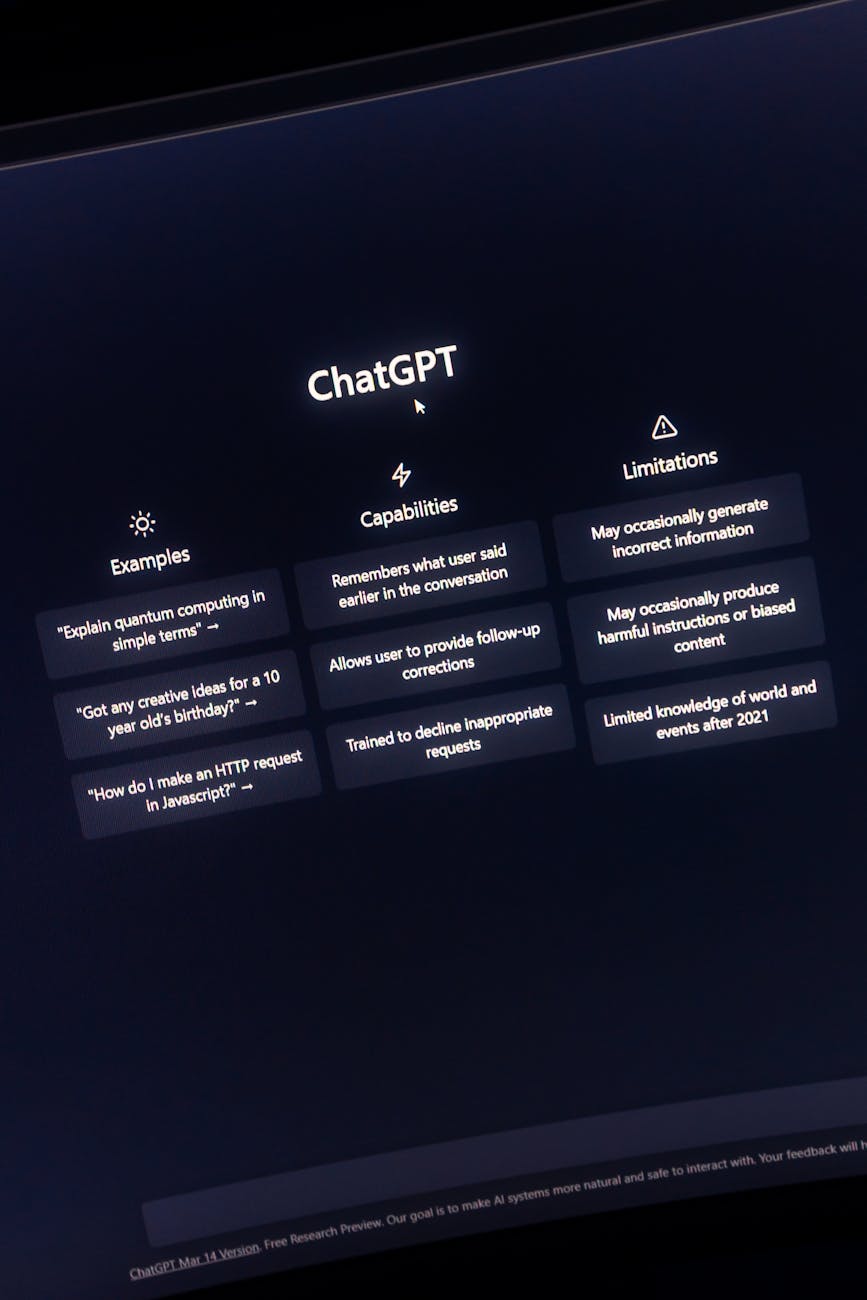
Artificial intelligence is everywhere. From generative chatbots to predictive healthcare systems, AI appears unstoppable. Companies invest billions. Governments race for dominance. Headlines promise transformation across every industry. However, beneath the excitement lies a quieter reality. Artificial intelligence has limits—technical, economic, ethical, and structural—that are rarely discussed with the same enthusiasm as breakthroughs. Understanding these limits…
-

For decades, space exploration moved at a deliberate pace. Launches were rare. Missions were state-controlled. Budgets were immense. Progress was steady—but slow. Today, however, space technology is advancing faster than almost anyone predicted. Reusable rockets land autonomously. Private companies deploy thousands of satellites annually. AI navigates spacecraft millions of miles from Earth. Human missions to…
-
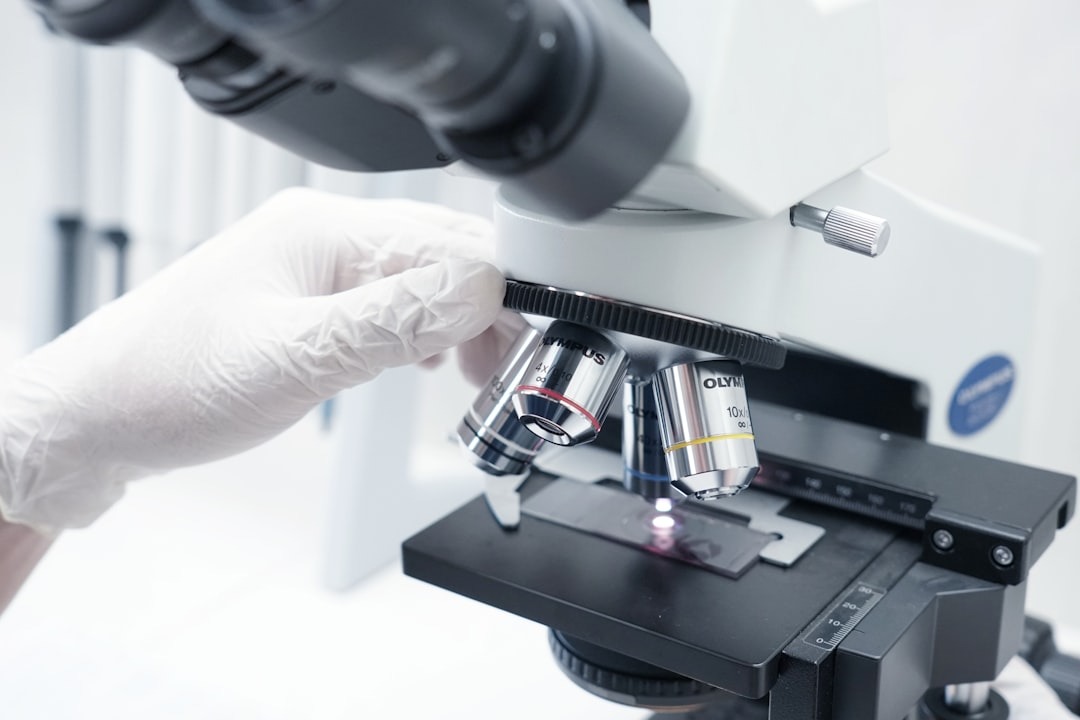
For most of modern history, biology and technology evolved along parallel tracks. Biology focuses on cells, organisms, and ecosystems. Technology centred on silicon, software, and systems. One studied life. The other engineered machines. Today, however, those boundaries are dissolving. Biotechnology and digital technology are rapidly merging—creating programmable biology, AI-driven drug discovery, bioengineered materials, and data-powered…
-

Data used to sit quietly in filing cabinets. Today, it moves faster than laws, borders, and sometimes even intent. Every click, swipe, biometric scan, and location ping feeds an economy built not just on information—but on prediction. That shift explains why data privacy is no longer a niche legal issue. It’s a global concern touching…