
Tag: Engineering
-

The Rising Threat of Social Engineering Cybersecurity threats are evolving, and one of the most dangerous and deceptive tactics used by cybercriminals today is social engineering. Unlike traditional hacking, which relies on technical exploits, social engineering manipulates human psychology to gain unauthorized access to sensitive data, networks, and systems. From phishing emails to impersonation scams,…
-

AI as a Game-Changer for Climate Action Climate change is one of the most pressing challenges of our time, with rising global temperatures, extreme weather events, and environmental degradation threatening ecosystems and economies. While traditional climate action strategies focus on policy changes and technological advancements, Artificial Intelligence (AI) is emerging as a powerful tool in…
-
Many companies start with a monolithic architecture and later transition to microservices as their applications grow. While monoliths provide simplicity and centralized control, they often become difficult to scale and maintain over time. 📌 So, why are companies making the shift to microservices? But transitioning from monolith to microservices is complex and requires a strategic…
-

When developing a software application, one of the biggest architectural decisions is whether to use a monolithic or microservices approach. While monolithic architectures offer simplicity and centralized management, microservices provide flexibility, scalability, and modularity. But which one is right for your project? ✅ Is your application large or small? ✅ Do you need rapid scalability?…
-

Automation is transforming industries, improving efficiency, and increasing productivity. However, it also raises ethical concerns—especially regarding job displacement, economic inequality, and the future of work. While robots, AI, and automated systems replace repetitive tasks, millions of workers face unemployment or the need to upskill. This leads to critical ethical questions: ✅ Is automation a threat…
-

Quantum computing is no longer science fiction– it is becoming a real-world disruptor. Industries that rely on complex computations, data security, and optimization are preparing for a quantum revolution in 2025. From finance and healthcare to cybersecurity and artificial intelligence, quantum computing promises unparalleled processing power. But with great power comes great challenges. In this…
-

The rise of Web3 technology is transforming industries worldwide, although its potential for social good is one of the most exciting developments. Web3, powered by blockchain, decentralized finance (DeFi), smart contracts, and DAOs, offers new ways to create transparent, community-driven solutions for pressing global issues. From financial inclusion to supply chain transparency and charitable donations,…
-
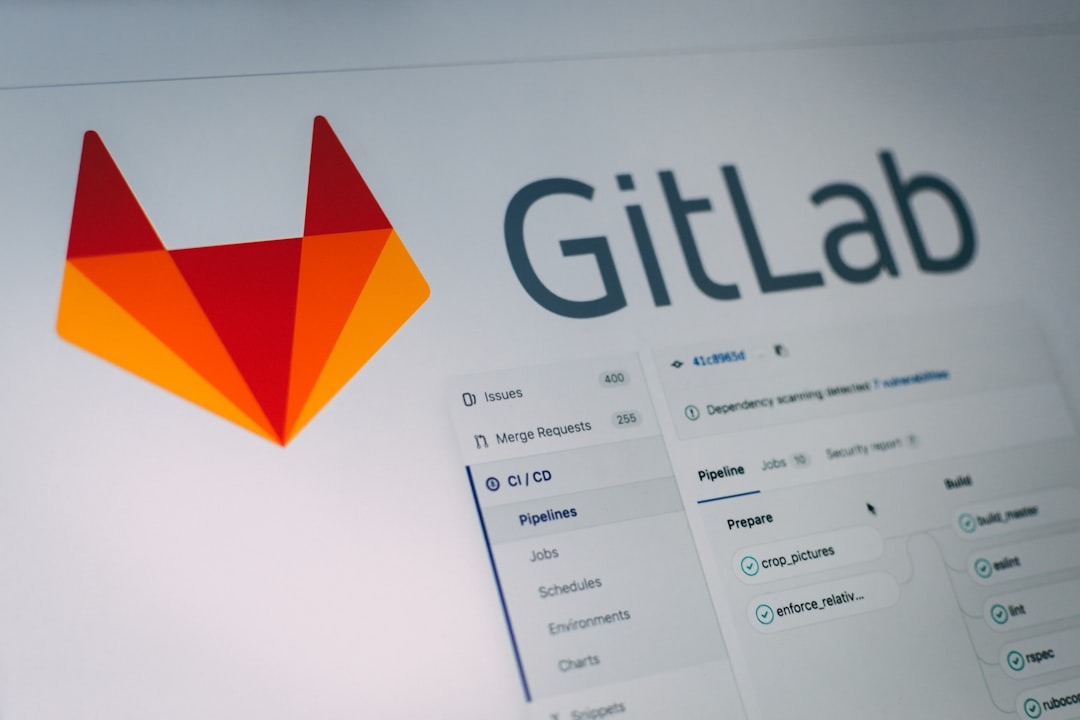
The world of software development is continuously evolving, and DevOps has been a game-changer in improving collaboration between development and operations teams. However, as infrastructure management becomes more complex, GitOps has emerged as a more efficient and scalable approach to managing deployments. GitOps takes the principles of DevOps, Infrastructure as Code (IaC), and CI/CD, integrating…
-

Decentralized finance (DeFi) is shaking the foundations of traditional banking. Built on blockchain technology, DeFi eliminates intermediaries like banks and allows users to access financial services directly. But how exactly is DeFi disrupting the banking world? Let’s explore. What is DeFi? DeFi refers to a set of financial services running on decentralized networks like Ethereum.…
-
As cyber threats grow more sophisticated, traditional security models fail to keep up. Enter the zero-trust architecture—a framework that prioritizes verification over implicit trust. This model ensures that no user or device is trusted by default, thus safeguarding modern networks against breaches. What is Zero-Trust Architecture? Zero-trust is a cybersecurity approach where access to resources…