
Tag: AI
-
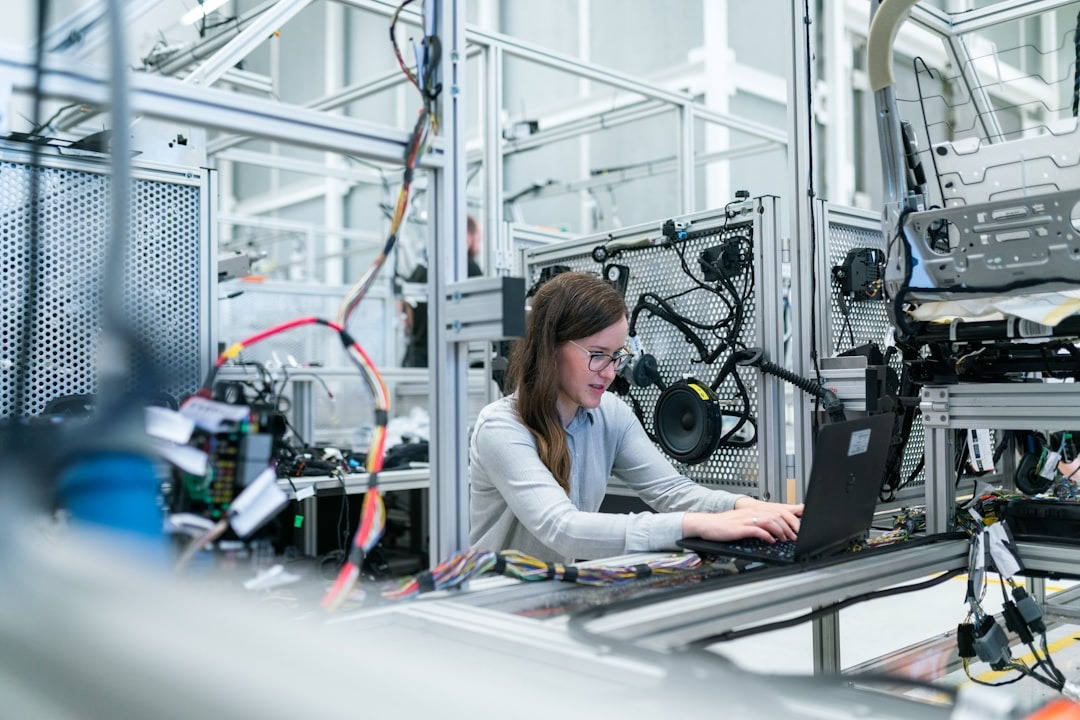
The next technological revolution will not be defined by a single invention. Instead, it will come from the combination of several powerful technologies changing how people work, communicate, travel, and live. Artificial intelligence is becoming more autonomous. Robotics is becoming more intelligent. Computing is becoming more powerful. Meanwhile, industries are adopting digital systems that were…
-

Every secure digital interaction relies on one invisible technology: encryption. When people transfer money online, send private messages, access cloud platforms, or store sensitive information, encryption acts as the protective layer keeping that data safe. However, a new computing revolution is forcing the cybersecurity industry to rethink how digital protection works. Quantum computing is approaching…
-

Imagine a factory that can predict a machine failure before it happens. Technology? Imagine a city that can simulate traffic changes before building new roads. Imagine a hospital that can create a virtual model of a patient to improve treatment decisions. This is no longer science fiction. It is the promise of digital twin technology.…
-
For years, web browsers looked like a solved problem. Google Chrome dominated the market. Microsoft Edge found its place. Apple Safari controlled the Apple ecosystem. Meanwhile, Mozilla Firefox continued to serve privacy-conscious users. As a result, innovation slowed. Most browser updates focused on speed improvements, security patches, and design tweaks. Few people expected browsers to…
-

What if you could own a fraction of a luxury apartment, a piece of fine art, or even a share of a commercial building—instantly, from anywhere in the world? tokenisation. In 2026, this is no longer hypothetical. Through tokenisation of real-world assets (RWAs), blockchain technology is transforming how ownership works—making it more accessible, liquid, and…
-

Artificial intelligence promised objectivity. Instead, it inherited our blind spots. Across industries—from healthcare and hiring to finance and criminal justice—predictive systems shape who gets loans, who receives medical care faster, and even who gets flagged as a risk. Yet despite advances in machine learning, AI bias and algorithmic fairness remain stubborn, systemic challenges. The uncomfortable…
-
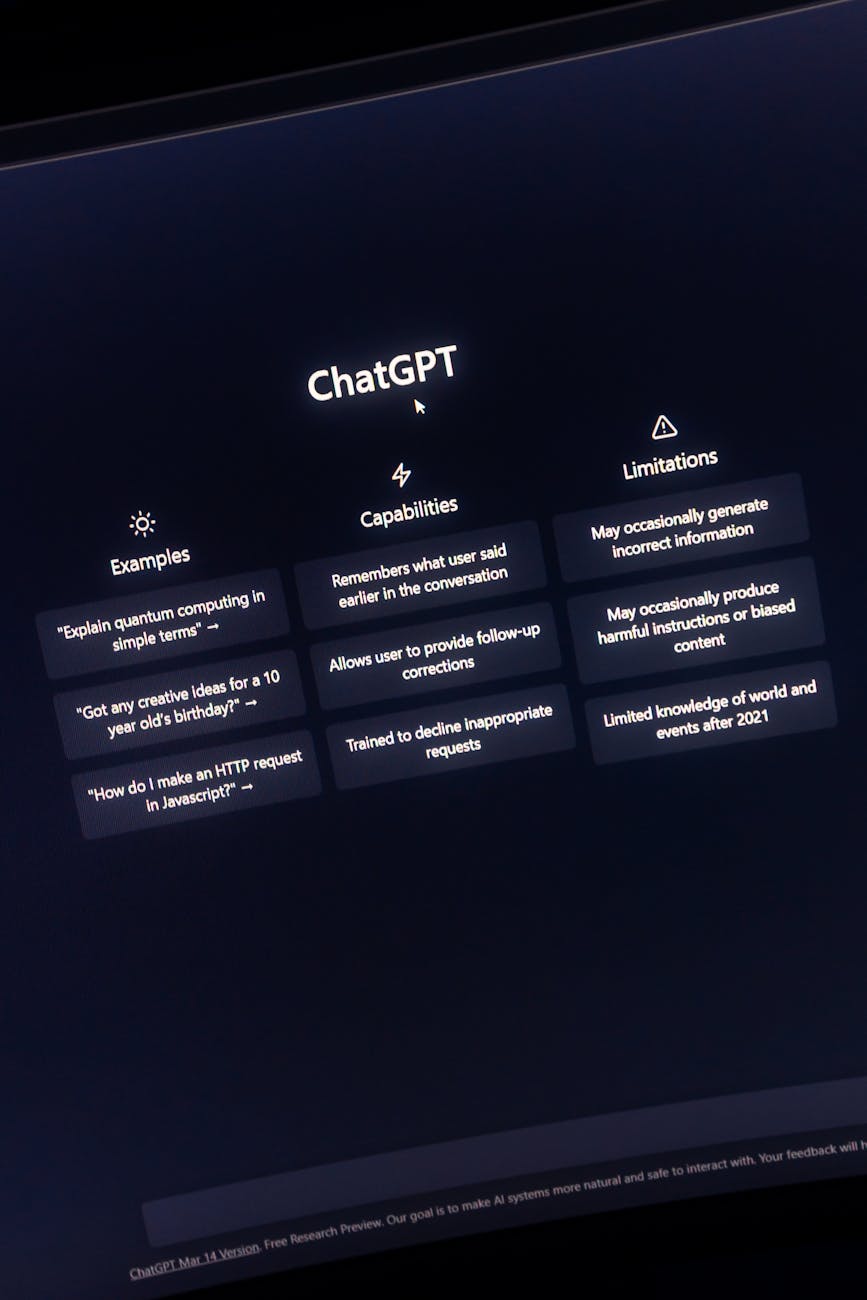
Artificial intelligence is everywhere. From generative chatbots to predictive healthcare systems, AI appears unstoppable. Companies invest billions. Governments race for dominance. Headlines promise transformation across every industry. However, beneath the excitement lies a quieter reality. Artificial intelligence has limits—technical, economic, ethical, and structural—that are rarely discussed with the same enthusiasm as breakthroughs. Understanding these limits…
-

For centuries, industrial revolutions have been defined by materials. The Bronze Age reshaped tools and warfare. The Industrial Revolution accelerated with steel. The 20th century scaled on plastics and semiconductors. Now, however, a new class of materials is emerging—materials that respond, adapt, self-heal, and even think. Smart materials could power the next industrial shift. Unlike…
-

Cybersecurity has always been a race between attackers and defenders. Historically, humans designed defences and responded to breaches manually. Today, artificial intelligence is tilting that balance. AI isn’t just a defensive tool—it’s becoming a force multiplier for cybersecurity teams, capable of detecting anomalies, predicting threats, and responding faster than any human could. At the same…
-
Software development is no longer just about writing code line by line. Today, modern frameworks act as scaffolding for developers, accelerating production, reducing errors, and enabling teams to focus on innovation rather than boilerplate. From web applications to mobile apps, frameworks like React, Angular, Vue, and Flutter have transformed the way developers approach design, testing,…