
Tag: AI
-

Artificial intelligence promised objectivity. Instead, it inherited our blind spots. Across industries—from healthcare and hiring to finance and criminal justice—predictive systems shape who gets loans, who receives medical care faster, and even who gets flagged as a risk. Yet despite advances in machine learning, AI bias and algorithmic fairness remain stubborn, systemic challenges. The uncomfortable…
-
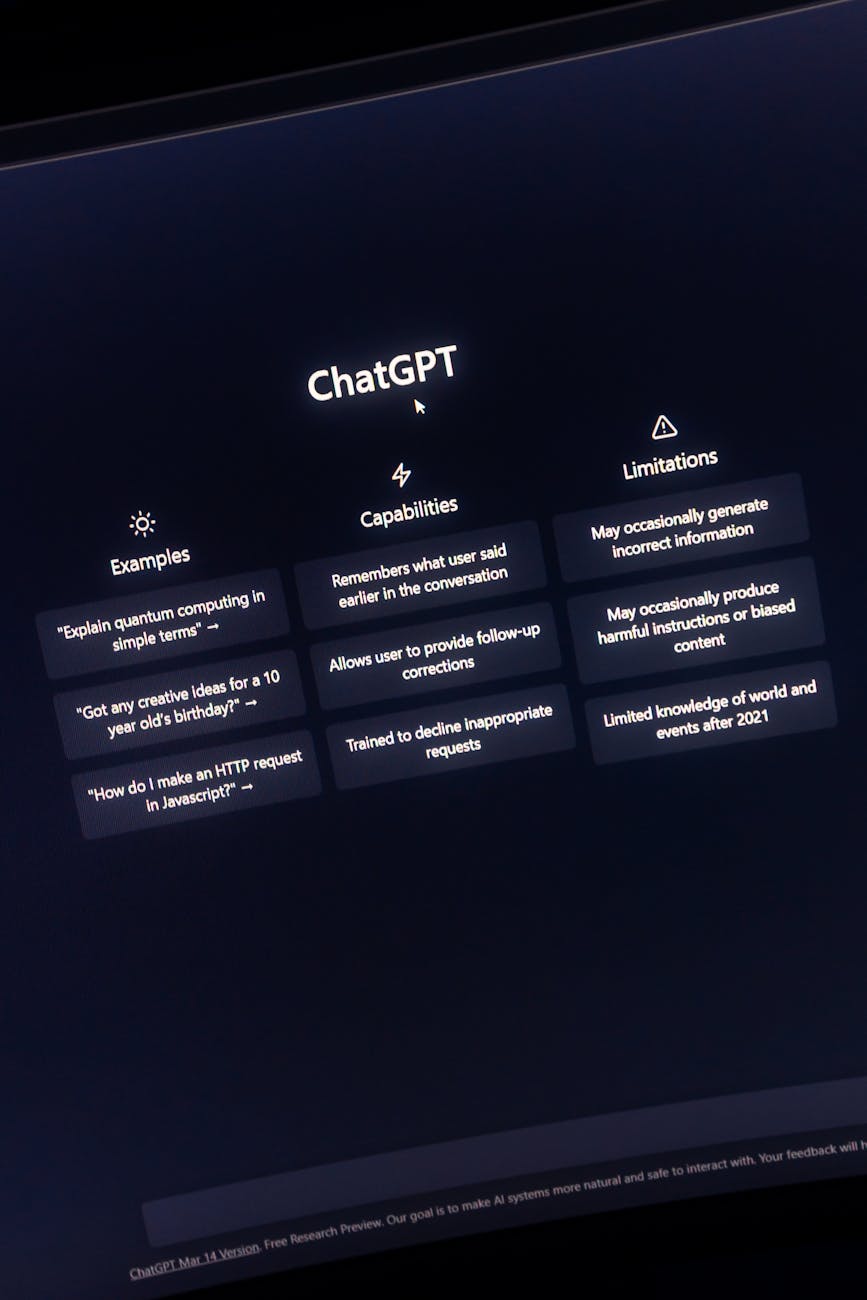
Artificial intelligence is everywhere. From generative chatbots to predictive healthcare systems, AI appears unstoppable. Companies invest billions. Governments race for dominance. Headlines promise transformation across every industry. However, beneath the excitement lies a quieter reality. Artificial intelligence has limits—technical, economic, ethical, and structural—that are rarely discussed with the same enthusiasm as breakthroughs. Understanding these limits…
-

For centuries, industrial revolutions have been defined by materials. The Bronze Age reshaped tools and warfare. The Industrial Revolution accelerated with steel. The 20th century scaled on plastics and semiconductors. Now, however, a new class of materials is emerging—materials that respond, adapt, self-heal, and even think. Smart materials could power the next industrial shift. Unlike…
-

Cybersecurity has always been a race between attackers and defenders. Historically, humans designed defences and responded to breaches manually. Today, artificial intelligence is tilting that balance. AI isn’t just a defensive tool—it’s becoming a force multiplier for cybersecurity teams, capable of detecting anomalies, predicting threats, and responding faster than any human could. At the same…
-
Software development is no longer just about writing code line by line. Today, modern frameworks act as scaffolding for developers, accelerating production, reducing errors, and enabling teams to focus on innovation rather than boilerplate. From web applications to mobile apps, frameworks like React, Angular, Vue, and Flutter have transformed the way developers approach design, testing,…
-

Artificial Intelligence has become the ultimate workplace Rorschach test. To some, it signals mass unemployment and economic upheaval. To others, it promises liberation from drudgery and a productivity renaissance. The truth, as usual, sits uncomfortably in between. AI won’t take all jobs—but it will permanently reshape what work looks like, how it’s valued, and who…
-

Software development has always been a craft shaped by tools. From punch cards to IDEs, from waterfall to agile, every leap forward has redefined what it means to “build software.” Today, artificial intelligence is triggering the most radical shift yet—one that doesn’t just improve how developers work, but fundamentally changes who (or what) does the…
-
Artificial Intelligence—once the stuff of science fiction—now quietly shapes decisions that matter profoundly in people’s lives: who gets a job interview, whether a loan is approved, how healthcare is administered, and even the length of a prison sentence. The promise of AI has always been seductive: a future where decisions are swift, data-driven, and, above…
-
Every company says it’s “exploring AI.”Many claim they’re already “AI-powered.”Very few are honest about why they’re rushing in — or what happens if they don’t. Artificial intelligence has moved from the periphery of business strategy to its core with remarkable speed. In boardrooms, earnings calls, and internal roadmaps, AI is no longer framed as an…
-

AI did not arrive in healthcare with a single, dramatic breakthrough. There was no moment when hospitals flipped a switch and suddenly became “AI-powered.” Instead, the transformation has unfolded in fragments—inside radiology departments, behind lab dashboards, within triage software, and deep inside hospital logistics systems. In many cases, patients never know it’s happening. Yet across…