
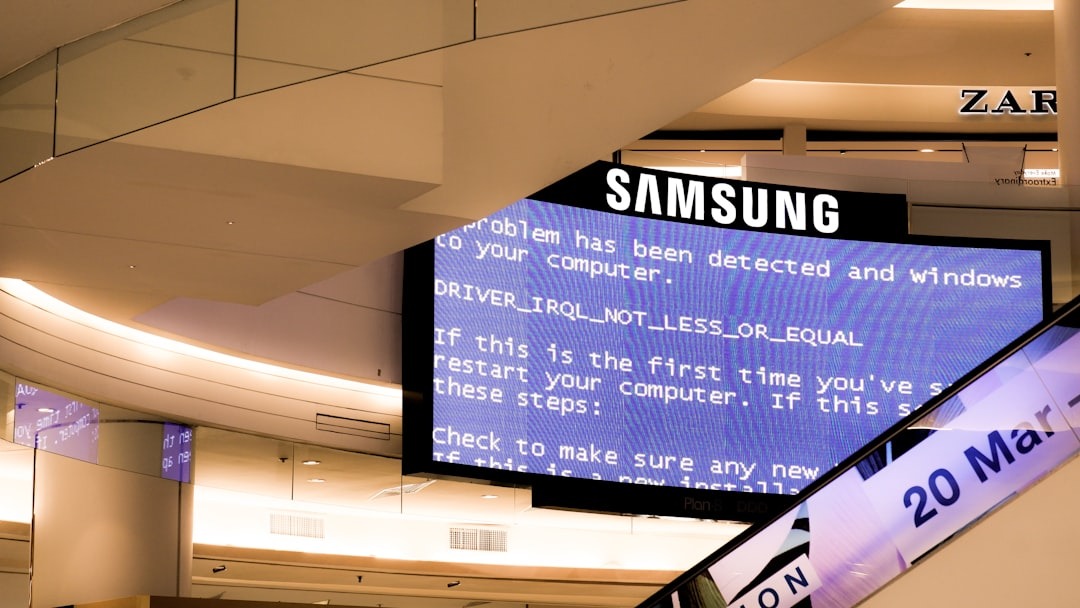
Software updates no longer arrive as occasional patches. Today, they reshape devices, enforce rules, and even redefine ownership—often without explicit user consent. From phones and cars to enterprise platforms, updates quietly dictate how technology behaves, evolves, and persists.
They are no longer just improvements—they are a strategic lever for companies, a security lifeline for consumers, and a regulatory focal point for policymakers.
From Static Products to Living Systems
Historically, technology was shipped as finished goods. What you bought, you used—unchanged until replacement.
Now, connectivity turns products into living systems. Smartphones, operating systems, smart TVs, cars, and even medical devices evolve continuously. Updates define functionality more than hardware ever did.
This mirrors the shift explored in: Cloud Computing Became Essential Almost Overnight where connected systems replaced permanence with fluidity.
Updates as a Form of Control
Updates do more than improve performance—they change behaviour.
An update can:
- Alter privacy settings
- Remove features
- Introduce subscriptions
- Limit hardware capabilities
Consumer Case Study: Apple’s iOS updates redefined app tracking, impacting advertisers, apps, and user privacy globally (Apple Privacy). Users now experience more control over data—but companies must pivot business models accordingly.
Enterprise Case Study: Tesla delivers over-the-air updates that adjust braking, autopilot features, and battery performance (Tesla). Fleet operators must adapt operational protocols continuously, illustrating how updates become central to enterprise strategy.
Policy Lens: Governments increasingly scrutinise such control. EU “right to repair” and extended software support laws aim to prevent forced obsolescence and ensure consumer choice (European Commission).
Ownership is increasingly conditional, shaped by software rather than hardware.
Security Updates Changed the Stakes
Cyber threats now target everyone—from individuals to multinational corporations. Updates from the frontline defence.
Critical patches prevent ransomware, data breaches, and zero-day exploits. Delays multiply risk. According to CISA, unpatched systems remain the primary vector for large-scale attacks (CISA).
For policymakers, this underscores the urgency of regulating mandatory updates in critical infrastructure and consumer devices.
Feature Creep vs. User Trust
However, rapid updates have tradeoffs. Constant interface changes, feature shifts, and hidden monetisation can erode trust.
- Google, Microsoft, and Meta have faced backlash for updates prioritizing monetization over user clarity (The Verge).
- Enterprises risk operational disruption when software interfaces change unexpectedly, requiring retraining and process updates.
Balancing innovation and predictability becomes essential.
Updates as Business Strategy
Updates also drive recurring revenue and platform control:
- Subscriptions unlock new features
- License expiration enforces renewal
- Hardware capabilities are activated only through software
Case Study: Microsoft Teams regularly updates features and integrations, enabling enterprises to scale collaboration but forcing IT departments to manage change continuously (Microsoft Teams).
This aligns with insights in: How SaaS Companies Scale Faster Than Ever
where updates directly enable business agility.
When Updates Redefine Longevity
Updates determine device lifespan:
- OS supports Windows
- Security patch timelines
- Feature deprecation schedules
Devices without updates quickly become unsafe or obsolete—even if hardware remains functional. Policy interventions now emphasise software longevity as part of consumer protection.
The Psychological Shift: Expectation of Change
Users now anticipate flux rather than stability. Interfaces shift, rules change, features migrate.
This behavioural adaptation echoes our analysis in: How Recommendation Algorithms Shape What We Watch, where constant adaptation trains audiences to accept impermanence—sometimes at the expense of mastery or trust.
What Comes Next: User Agency or Algorithmic Drift?
Future updates must balance innovation, security, and trust:
- Transparent changelogs
- User-controlled rollout timing
- Modular feature toggles
- Clear privacy and consent mechanisms
Without these, updates risk becoming silent enforcers rather than trusted improvements.
Updates Are the New Interface to Power
Software updates dictate functionality, lifespan, and user control across consumers, enterprises, and policy frameworks.
The question is no longer whether updates matter. It’s who they serve—and how they are governed.
In a world where software never stops changing, trust and transparency—not novelty—will define the next era of technology.
Key Takeaways by Audience:
- Consumers: Updates affect privacy, security, and usability—stay informed and exercise control.
- Enterprises: Updates influence productivity, compliance, and operational risk—implement governance and training.
- Policymakers: Updates shape access, longevity, and safety—regulation and standards are crucial.

Latest from Our Blog
Discover a wealth of knowledge on software development, industry insights, and expert advice through our blog for an enriching experience.
-

Next-Gen Batteries and Energy Storage: The Technology Powering the Clean Energy Revolution
The global energy transition has a storage problem. Solar panels don’t produce electricity at night.…
-

AI in Climate Modelling and Mitigation: How Intelligent Systems Are Shaping Earth’s Future
Humanity’s climate challenge is vast and complex. Rising temperatures, changing weather patterns, biodiversity loss, and…
-

Clean Tech Investing in 2026: Where Capital Is Flowing and Why It Matters
Clean technology is no longer a cottage industry limited to niche sustainability funds or CSR…

Leave a Reply