
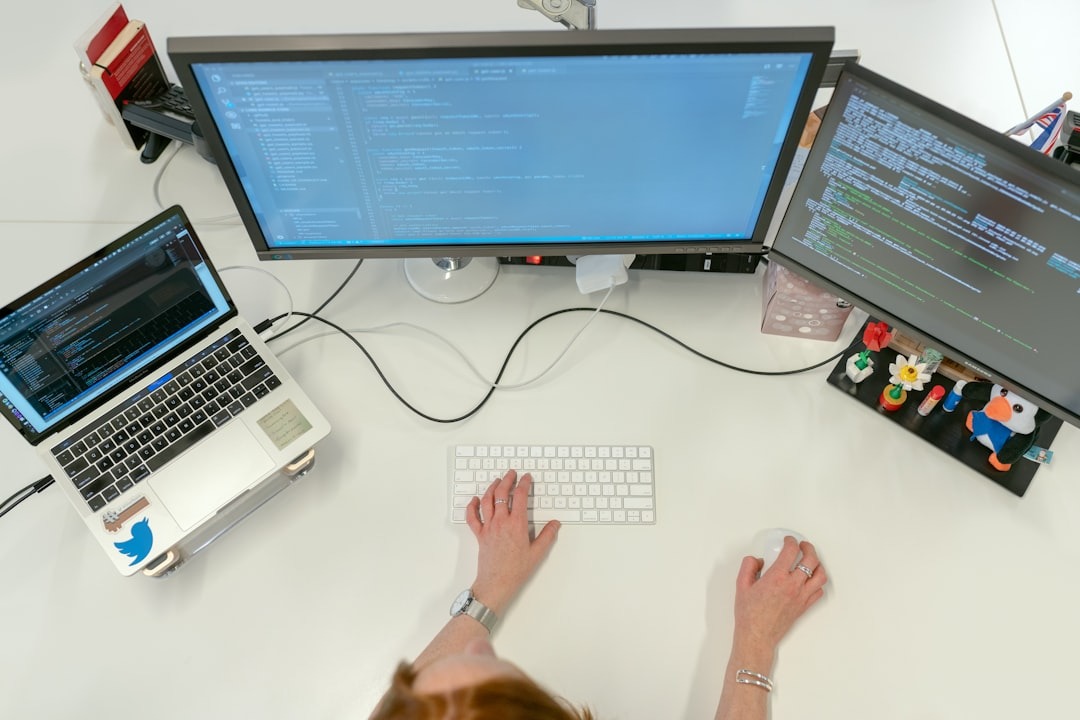
Software development has always been a craft shaped by tools. From punch cards to IDEs, from waterfall to agile, every leap forward has redefined what it means to “build software.” Today, artificial intelligence is triggering the most radical shift yet—one that doesn’t just improve how developers work, but fundamentally changes who (or what) does the work.
AI is no longer a sidekick. Increasingly, it’s becoming a co-engineer.
From Writing Code to Collaborating With Machines
For decades, software engineers translated human intent into machine logic—line by line. Now, AI-powered coding tools like GitHub Copilot, ChatGPT, and CodeWhisperer are changing that dynamic. Developers describe what they want, and AI generates working code in seconds.
As a result, the role of the developer is shifting:
- From typing syntax → to shaping logic
- From debugging manually → to reviewing AI-generated solutions
- From writing boilerplate → to architecting systems
In other words, developers are moving up the abstraction stack—and fast.
AI Is Compressing the Software Development Lifecycle
Traditionally, software development followed a predictable cycle: requirements, design, development, testing, deployment, maintenance. AI is now collapsing these stages into a tighter, faster loop.
Here’s how:
- AI-driven requirement analysis turns vague product ideas into technical specs.
- Automated code generation accelerates development timelines.
- AI-powered testing tools generate thousands of test cases, catching edge cases that humans miss.
- Intelligent CI/CD pipelines predict failures before deployment.
Consequently, teams ship faster—with fewer bugs and lower costs.
Testing, Debugging, and QA Are Being Rewritten
Testing has always been one of the most time-consuming phases of software engineering. AI is flipping that equation.
Modern AI systems can:
- Analyse code changes and predict where bugs are likely to appear
- Auto-generate unit, integration, and regression tests
- Detect anomalies in production logs in real time
Instead of reacting to failures, teams can now prevent them proactively. This alone is redefining DevOps and site reliability engineering.
Low-Code, No-Code, and the Rise of “Citizen Developers”
Perhaps the most disruptive shift is who gets to build software.
With AI-powered low-code and no-code platforms, non-engineers can now create applications using natural language prompts. Business analysts, designers, and operations teams are shipping internal tools without writing traditional code.
This doesn’t replace professional developers—but it changes their role:
- Engineers focus on core systems, scalability, and security
- AI handles repetitive and domain-specific logic
Software creation is becoming more democratic—and more dangerous if governance isn’t in place.
AI Is Reshaping Software Architecture Itself
AI doesn’t just write code—it influences how systems are designed.
Modern architectures increasingly include:
- AI microservices
- Model inference APIs
- Data pipelines optimised for continuous learning
Software is no longer static. It evolves in production, learning from user behaviour and adapting in real time. This demands new approaches to versioning, monitoring, and accountability.
What This Means for Developers
Despite the fear, this is not the end of software engineers. It’s the end of software engineering as we knew it.
The most valuable developers going forward will:
- Understand system design and business context
- Know how to evaluate AI output critically
- Combine human judgment with machine speed
AI doesn’t replace developers—it amplifies those who know how to use it well.
The Bottom Line
Artificial intelligence is not just changing how software gets built—it’s redefining what software is. Development is becoming faster, more abstract, and more collaborative between humans and machines.
The question is no longer “Will AI change software development?”
It’s “Who will adapt fast enough to stay relevant?”
And in this new era, the best code may not be written—it may be orchestrated. Read More

Latest from Our Blog
Discover a wealth of knowledge on software development, industry insights, and expert advice through our blog for an enriching experience.
-

Next-Gen Batteries and Energy Storage: The Technology Powering the Clean Energy Revolution
The global energy transition has a storage problem. Solar panels don’t produce electricity at night. Wind turbines don’t spin on command. Meanwhile, electric vehicles demand longer range, faster charging, and safer battery…
-

AI in Climate Modelling and Mitigation: How Intelligent Systems Are Shaping Earth’s Future
Humanity’s climate challenge is vast and complex. Rising temperatures, changing weather patterns, biodiversity loss, and carbon emissions don’t follow tidy equations. Traditional models struggle to deliver reliable forecasts at the scale policymakers…
-

Clean Tech Investing in 2026: Where Capital Is Flowing and Why It Matters
Clean technology is no longer a cottage industry limited to niche sustainability funds or CSR budgets. By 2026, clean tech will have become one of the most significant — and fastest-growing —…

Leave a Reply