
Category: Technology
-

For years, cloud computing felt optional. Useful, yes. Convenient, certainly. But not essential. Many organizations still clung to on-premise servers, legacy systems, and the comforting illusion of control. Then the world paused. Almost overnight, cloud computing stopped being a strategic advantage and became critical infrastructure. Work moved online. Services went digital. Systems either scaled—or broke.…
-

Not long ago, competitive gaming happened in basements, internet cafés, and small convention halls. The crowds were passionate but limited. The money was modest. The attention came and went. That era is over. Today, esports fills stadiums, commands billion-dollar investments, and attracts audiences that rival traditional sports. More importantly, it operates without borders—connected by broadband,…
-

Walk into a modern factory, and you might not notice the revolution at first. There’s no dramatic countdown. No sudden replacement of humans by machines. Instead, robotic arms glide with calm precision. Autonomous vehicles move materials without pause. Vision systems inspect parts faster than any human ever could. Manufacturing isn’t changing overnight.It’s changing every day.…
-

For decades, gaming followed a familiar ritual: buy expensive hardware, wait for long download times, then upgrade every few years when the next console arrived. Cloud gaming quietly breaks that ritual. Instead of pushing pixels from a box under the TV, cloud gaming streams entire games from remote servers—turning consoles into optional accessories rather than…
-

For decades, brain–computer interfaces lived comfortably in science fiction—wires in skulls, glowing screens, and telepathic control reserved for cyberpunk futures. That future has quietly slipped into the present. Brain–computer interfaces, or BCIs, no longer exist solely in academic papers or speculative novels. Instead, they now restore movement, translate thoughts into text, and allow paralysed patients…
-

Software Fails Quietly—Until It Doesn’t Software rarely collapses dramatically. Instead, it leaks money slowly. A checkout bug reduces conversions. A mobile crash spikes churn. A security flaw invites lawsuits. Individually, these issues seem minor. Collectively, they cost companies millions. This is precisely where software testing earns its keep. Testing doesn’t slow innovation. On the contrary,…
-
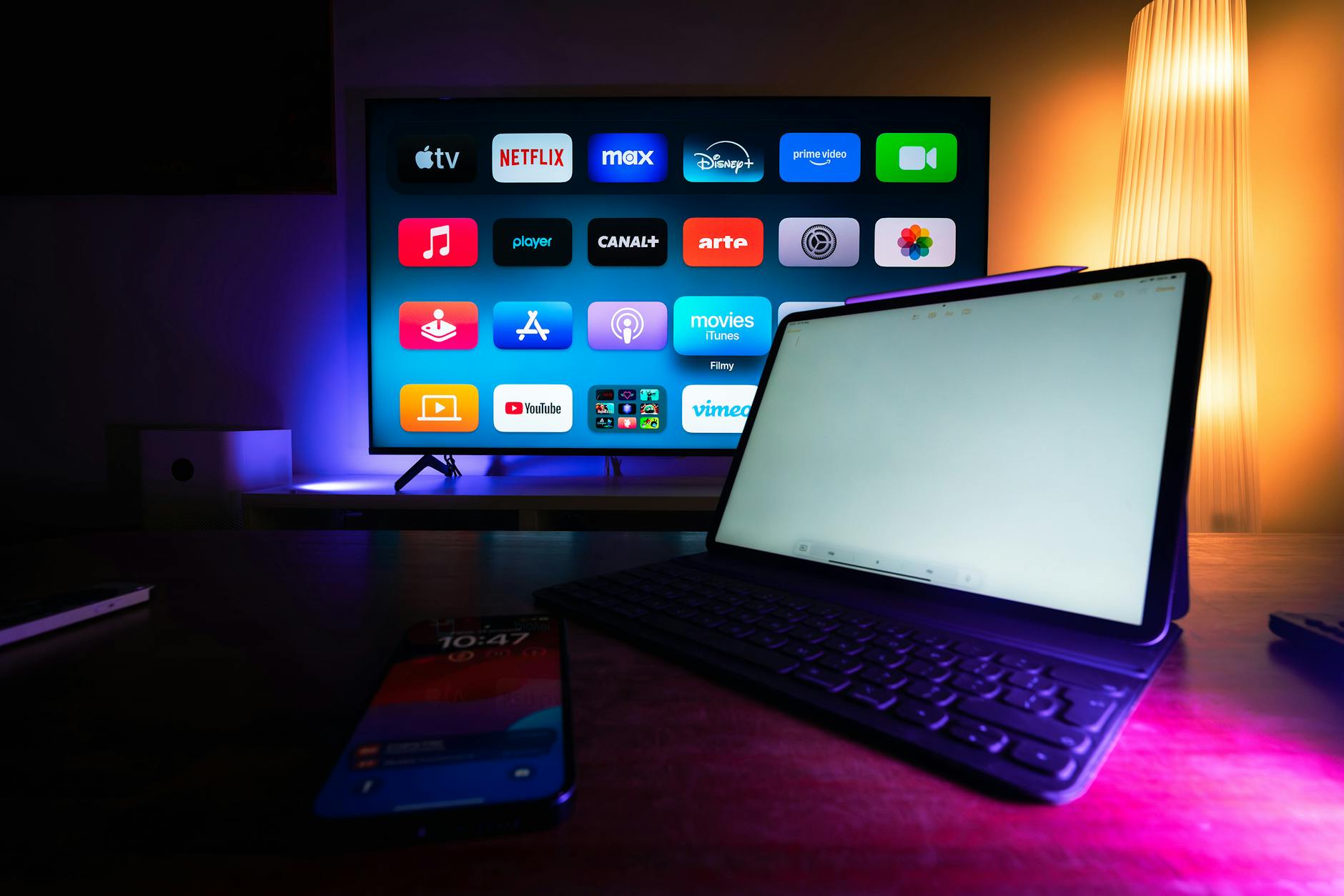
From adaptive bitrate streaming and global content delivery networks to machine-learning-driven personalisation and real-time analytics, modern streaming platforms are engineering marvels. This deep dive explains how Netflix, YouTube, Amazon Prime Video, and Spotify actually work under the hood, how data travels from server to screen, and why milliseconds matter more than ever. We explore the…
-

Every night, millions of people open streaming apps believing they’re choosing what to watch. In reality, much of that choice has already been made. Recommendation algorithms—quiet, persistent, and deeply optimised—now act as the most powerful editors in modern media. They don’t create movies or videos. They don’t write scripts or direct scenes. Yet they decide…
-
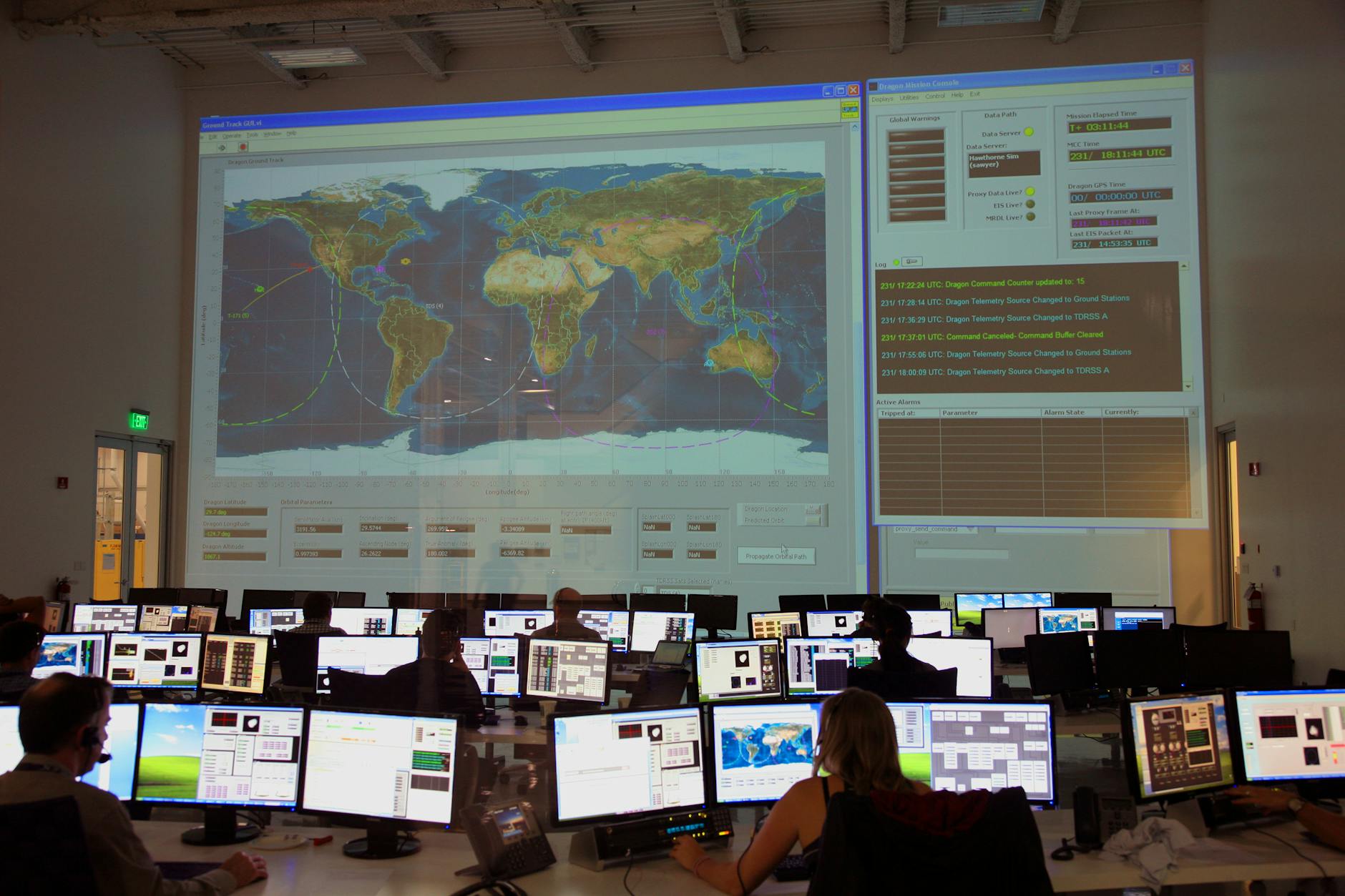
For much of modern history, economic change followed familiar patterns: industrialisation, globalisation, and financialisation. Today, however, technology is rewriting those rules in ways that are subtle, uneven, and deeply disruptive. The global economy is no longer just growing or shrinking—it’s reorganising. And not always in the ways policymakers expected. Digital Leapfrogging Is Redrawing Economic Maps…
-

Big Tech’s rise is one of the most consequential stories of the modern era. In just a few decades, a handful of technology companies evolved from scrappy startups into the most powerful institutions on Earth—shaping markets, politics, culture, and even how reality itself is mediated. Yet power rarely goes unchallenged forever. And today, the foundations…