
Category: Data Engineering
-

Digital-first has become more than a slogan. It’s a strategic imperative that separates companies thriving in volatile markets from those struggling to stay relevant. In 2025, enterprises realised that digital transformation isn’t just about adopting new tools—it’s about rethinking how businesses operate, innovate, and deliver value from the ground up. Today’s digital-first organisations are redefining…
-

For years, cloud migration sounded like an IT modernisation project reserved for large enterprises. Then reality intervened. Remote work expanded overnight, digital services scaled unpredictably, and customer expectations shifted permanently. Today, cloud migration is no longer optional — it defines how competitive, resilient, and innovative a business can become. However, many organisations still misunderstand what…
-
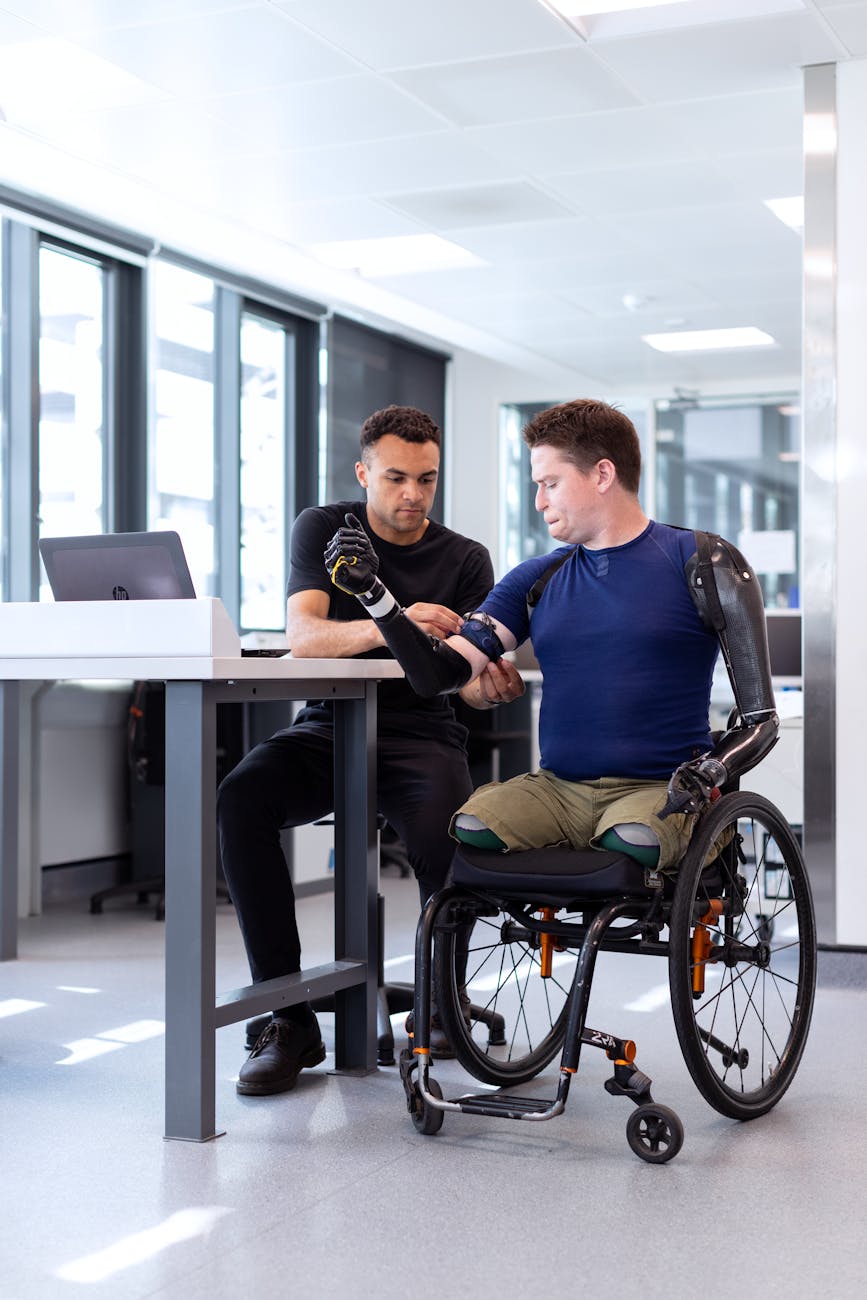
The question is no longer whether humans can enhance themselves. It’s whether we should—and under what rules. From gene editing and neural implants to AI-augmented cognition and bioengineered longevity, human enhancement technologies are accelerating. What once belonged to speculative fiction now occupies boardrooms, biotech labs, and policy debates. Yet innovation without ethical structure rarely ends…
-
Ransomware is no longer a blunt, opportunistic threat. It has evolved into a sophisticated, multi-layered business model that targets organisations, governments, and critical infrastructure with precision. Once confined to generic “spray-and-pray” campaigns, ransomware now leverages advanced tactics: AI-guided attacks, lateral movement within networks, and double extortion schemes that demand both payment and sensitive data disclosure.…
-
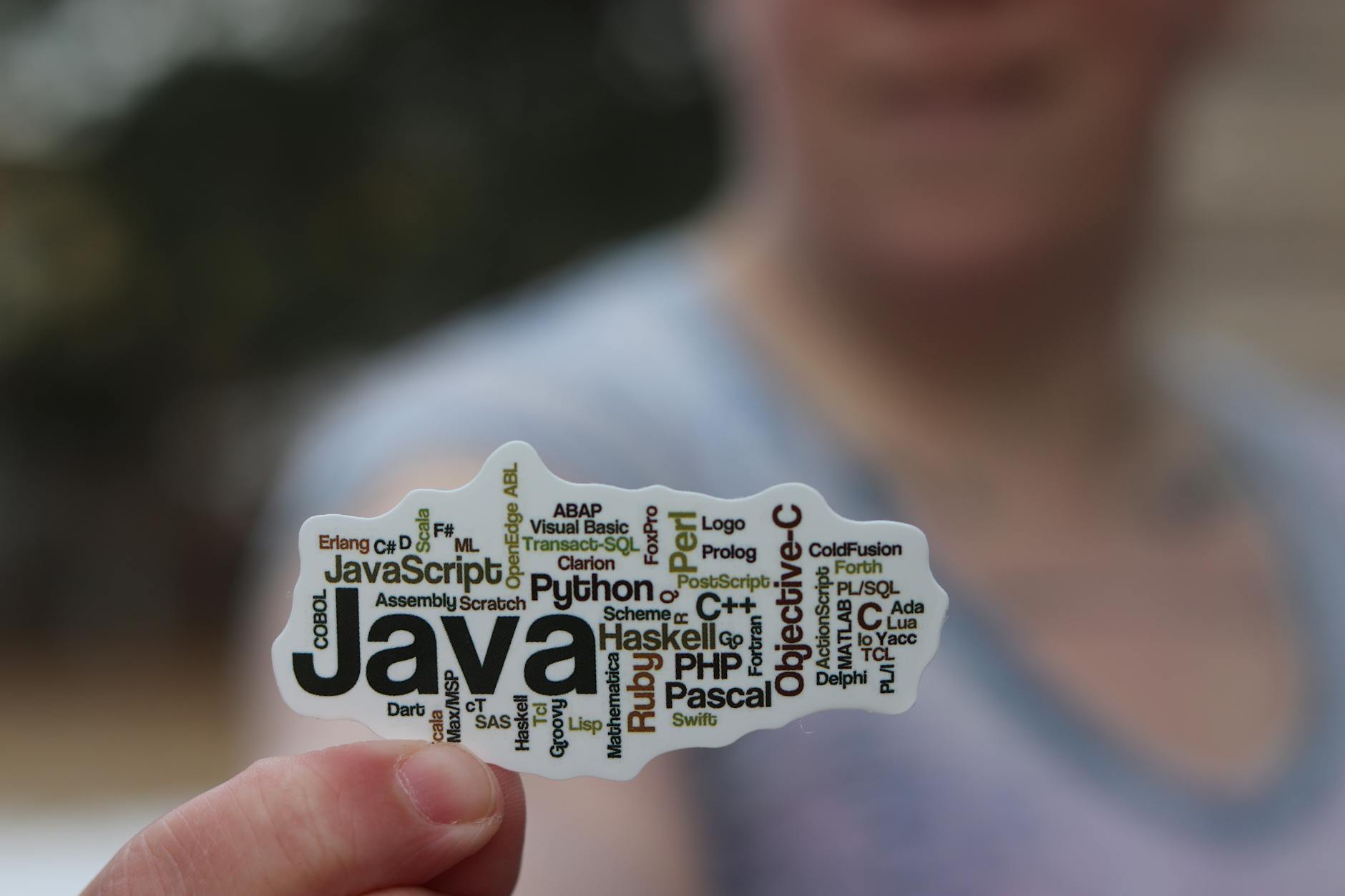
There was a time when programming languages were tribal affiliations. You were a “Java shop.” A “PHP house.” A “Microsoft stack.” Entire careers were built on singular allegiances. But today’s tech industry looks radically different. The modern stack is plural. Polyglot. Pragmatic. Instead of asking Which language wins?, companies now ask: Which language fits this…
-

Data used to sit quietly in filing cabinets. Today, it moves faster than laws, borders, and sometimes even intent. Every click, swipe, biometric scan, and location ping feeds an economy built not just on information—but on prediction. That shift explains why data privacy is no longer a niche legal issue. It’s a global concern touching…
-
Cybersecurity no longer fails in spectacular explosions. Instead, it erodes quietly—through compromised credentials, poisoned data, and systems that keep running even after attackers slip inside. That subtlety defines the most dangerous cyber threats right now. For years, security teams focused on perimeter defence. However, the modern threat landscape ignores perimeters entirely. Attackers now move laterally,…
-

For years, cloud computing felt optional. Useful, yes. Convenient, certainly. But not essential. Many organizations still clung to on-premise servers, legacy systems, and the comforting illusion of control. Then the world paused. Almost overnight, cloud computing stopped being a strategic advantage and became critical infrastructure. Work moved online. Services went digital. Systems either scaled—or broke.…
-

Most cybersecurity disasters don’t begin with a genius hacker exploiting a zero-day vulnerability. Instead, they start quietly—almost invisibly—with a reused password, a delayed software update, or a misplaced assumption that “someone else is handling security.” Despite decades of warnings, billion-dollar breaches, and endless security tooling, the same cybersecurity mistakes continue to undermine even technologically sophisticated…
-
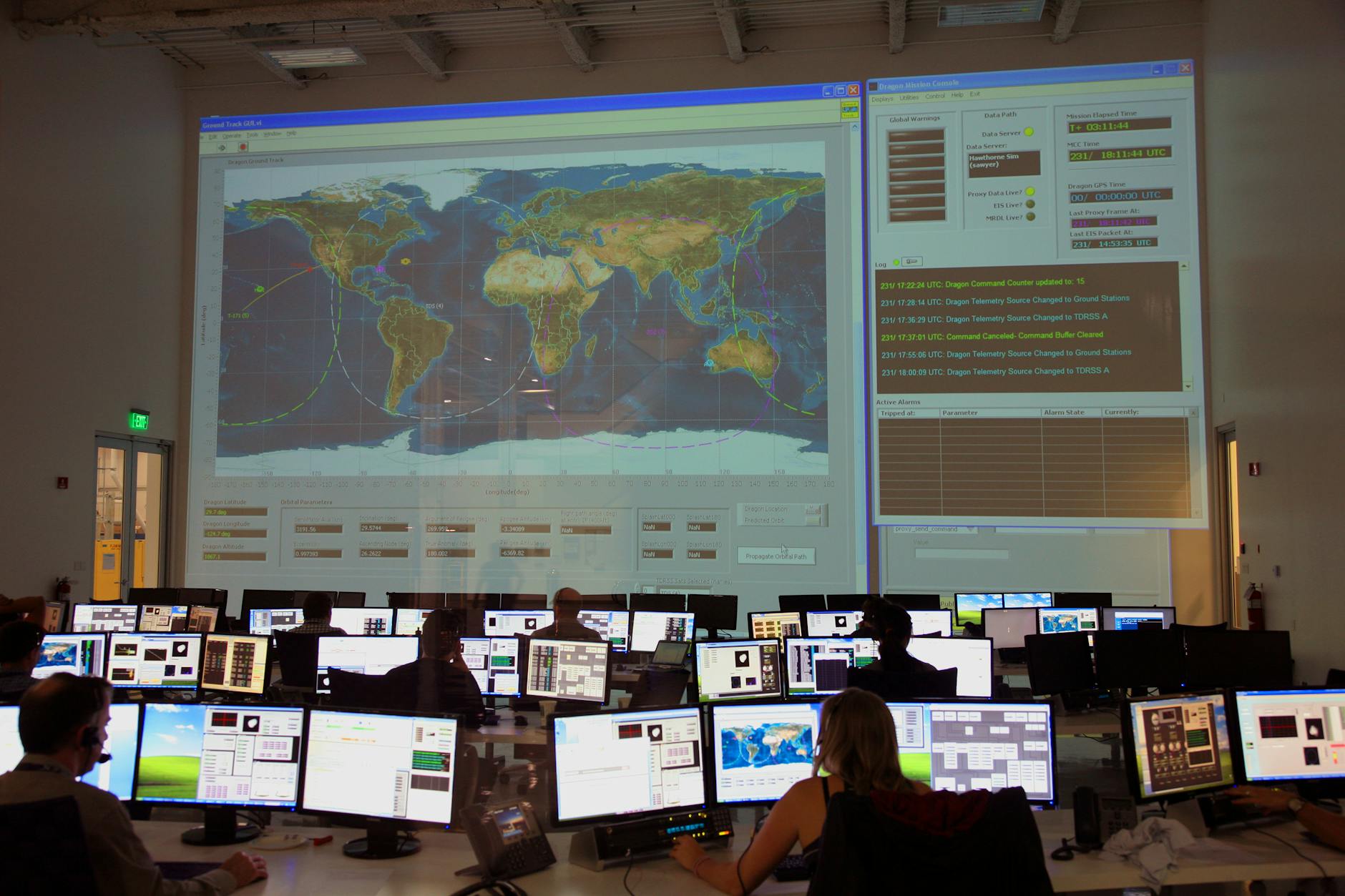
For much of modern history, economic change followed familiar patterns: industrialisation, globalisation, and financialisation. Today, however, technology is rewriting those rules in ways that are subtle, uneven, and deeply disruptive. The global economy is no longer just growing or shrinking—it’s reorganising. And not always in the ways policymakers expected. Digital Leapfrogging Is Redrawing Economic Maps…