
Category: collaboration
-
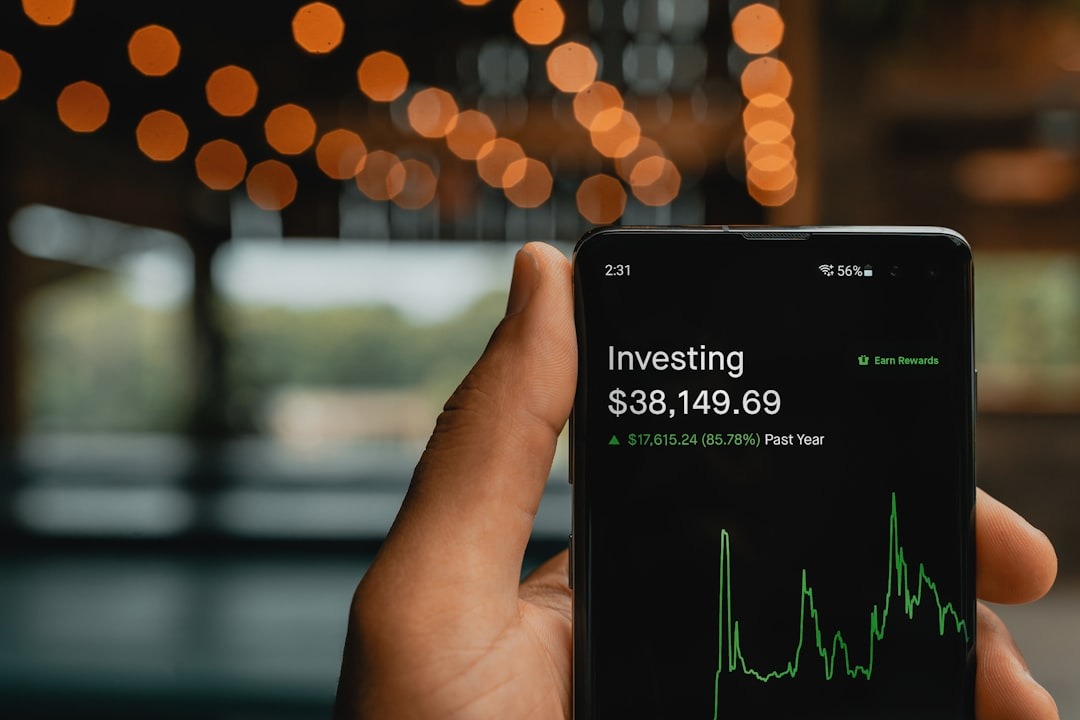
Capital Is Now a Strategic Force Venture capital has always played a role in technology. However, today its influence is deeper, broader, and more complex than ever before. In the past, venture capital primarily helped startups get off the ground. Now, it helps decide which ideas receive oxygen — and which quietly disappear. As a…
-

For every breakout success, thousands of tech startups quietly shut down — often long before the public ever notices. Failure Is the Default, Not the Exception Startup failure is often portrayed as shocking. However, within the tech ecosystem, it is surprisingly normal. In fact, while success stories dominate headlines, the reality is far less glamorous.…
-

Technology rarely announces its biggest shifts. Instead, change happens quietly—behind product updates, startup launches, and infrastructure upgrades—until one day the world feels fundamentally different. That’s where we are now. A convergence of artificial intelligence, hardware breakthroughs, internet evolution, and changing work culture is reshaping how technology is built, used, and trusted. These aren’t speculative ideas.…
-
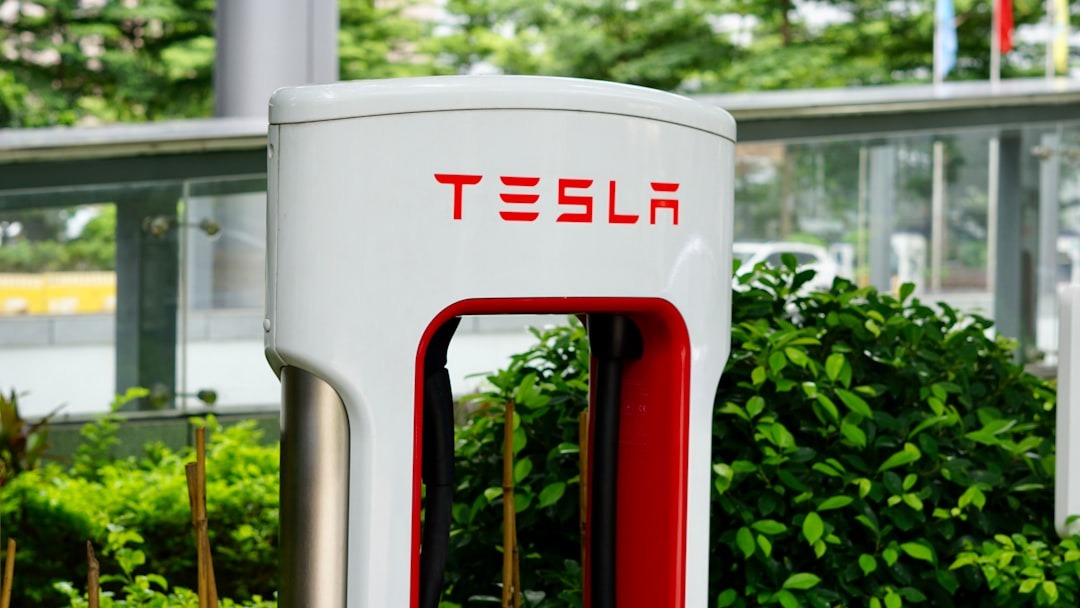
The electric vehicle (EV) industry is in a full sprint. But one technological leap might determine whether it reaches the finish line: solid-state batteries. As automakers compete to eliminate range anxiety, reduce charging times, and lower fire risk, solid-state battery (SSB) technology has emerged as the industry’s holy grail. Unlike conventional lithium-ion batteries, which rely…
-

Startups thrive on innovation, pushing the boundaries of technology, business models, and market disruption. However, in 2025, sustainability has become just as crucial. Investors, regulators, and consumers are demanding eco-friendly solutions, forcing startups to balance rapid growth with environmental responsibility. Why Sustainability Matters for Startups The global push for sustainability is stronger than ever, with…
-

The Rise of Human-Robot Interactions We are living in an era where robots and artificial intelligence (AI) are no longer confined to science fiction. From social robots like Pepper to AI-driven customer service agents and autonomous vehicles, robots are increasingly becoming a part of our daily lives. But as machines become smarter and more integrated…
-

The Intersection of XR and Mental Health Extended Reality (XR)—an umbrella term encompassing Virtual Reality (VR), Augmented Reality (AR), and Mixed Reality (MR)—is rapidly transforming various sectors, including mental health therapy. As mental health challenges become more prevalent, innovative XR technologies are offering new ways to diagnose, treat, and manage mental health conditions. From immersive…
-

The Rise of Smart Home Ecosystems In today’s connected world, smart home ecosystems have become a staple in modern living. From voice-activated assistants to fully automated lighting and security systems, smart home devices make life easier, safer, and more efficient. But with major players like Google, Amazon, and Apple offering their own ecosystems, choosing the…
-
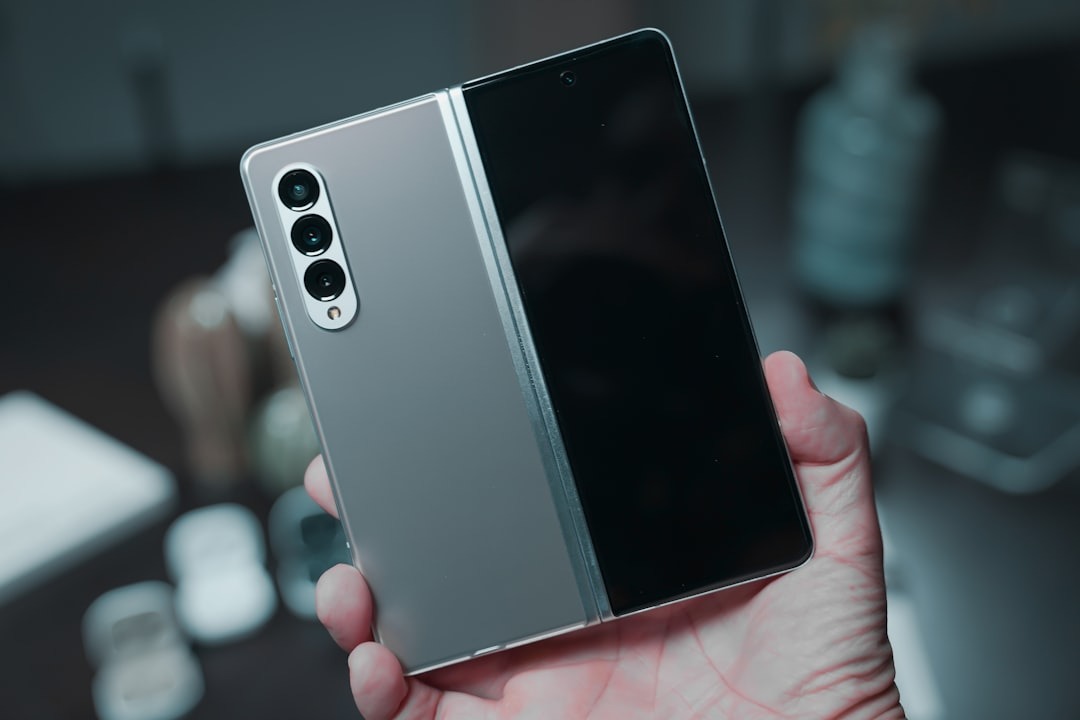
The Rise of Foldable Smartphones In the past decade, the smartphone industry has seen incredible advancements—from bezel-less displays to 5G connectivity. However, one of the most intriguing innovations is foldable smartphones. Once thought to be a futuristic concept, these devices are now a reality, ultimately, offering larger screens in compact form factors. But are foldable…
-

The Growing Role of AI in Cybersecurity As cyber threats become more sophisticated and harder to detect, traditional security methods struggle to keep pace. Artificial Intelligence (AI) and Machine Learning (ML) are revolutionizing cyber threat detection, helping businesses and governments stay ahead of attackers. From detecting zero-day attacks to automating threat responses, AI-driven cybersecurity is…