
Category: Cloud computing
-
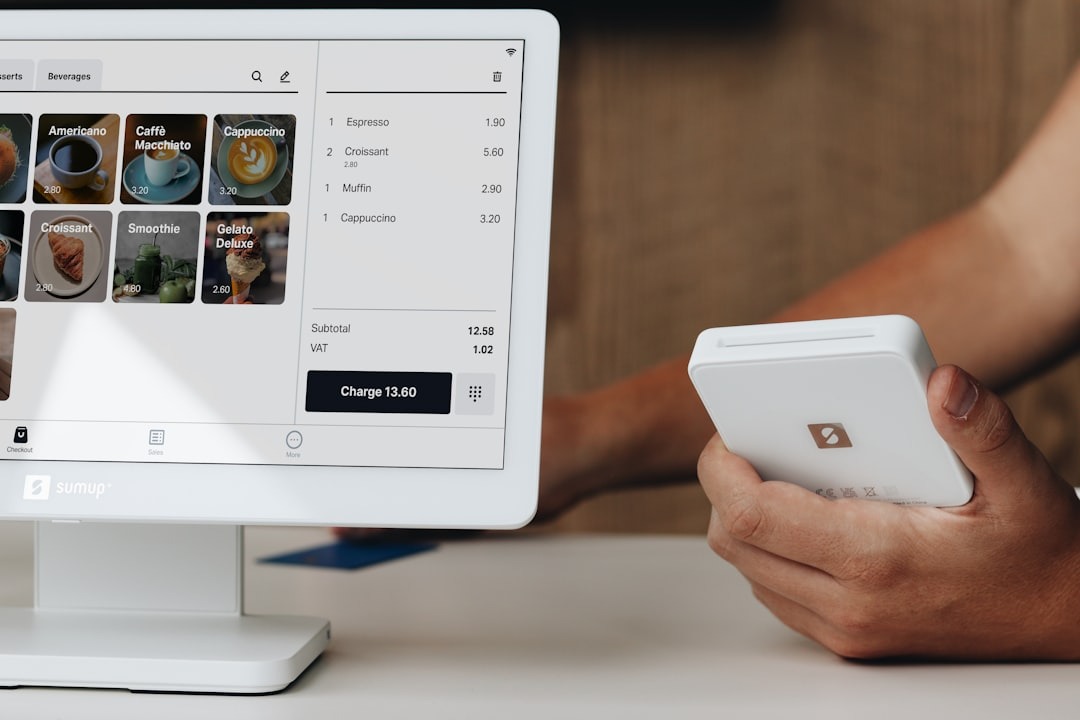
Digital-first has become more than a slogan. It’s a strategic imperative that separates companies thriving in volatile markets from those struggling to stay relevant. In 2025, enterprises realised that digital transformation isn’t just about adopting new tools—it’s about rethinking how businesses operate, innovate, and deliver value from the ground up. Today’s digital-first organisations are redefining…
-
For years, cloud migration sounded like an IT modernisation project reserved for large enterprises. Then reality intervened. Remote work expanded overnight, digital services scaled unpredictably, and customer expectations shifted permanently. Today, cloud migration is no longer optional — it defines how competitive, resilient, and innovative a business can become. However, many organisations still misunderstand what…
-

Artificial intelligence promised objectivity. Instead, it inherited our blind spots. Across industries—from healthcare and hiring to finance and criminal justice—predictive systems shape who gets loans, who receives medical care faster, and even who gets flagged as a risk. Yet despite advances in machine learning, AI bias and algorithmic fairness remain stubborn, systemic challenges. The uncomfortable…
-

For most of the modern era, biotechnology and digital technology evolved in parallel. One decoded life. The other digitised information. However, that separation is rapidly dissolving. Today, DNA is treated like code. Cells are engineered like programmable systems. Drug discovery is accelerated by artificial intelligence. Biological data is processed in cloud-scale environments. In short, biotechnology…
-

For centuries, industrial revolutions have been defined by materials. The Bronze Age reshaped tools and warfare. The Industrial Revolution accelerated with steel. The 20th century scaled on plastics and semiconductors. Now, however, a new class of materials is emerging—materials that respond, adapt, self-heal, and even think. Smart materials could power the next industrial shift. Unlike…
-
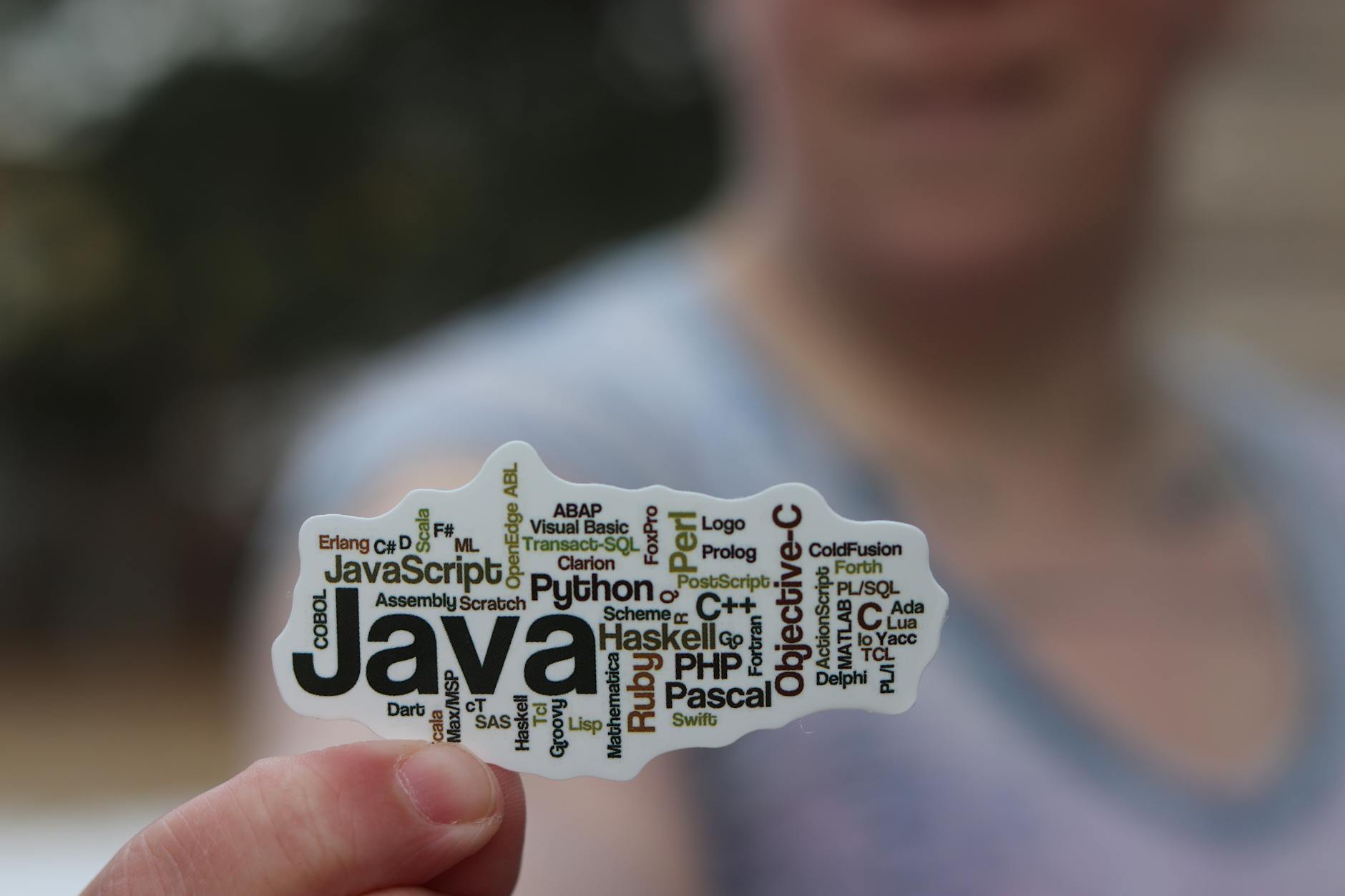
There was a time when programming languages were tribal affiliations. You were a “Java shop.” A “PHP house.” A “Microsoft stack.” Entire careers were built on singular allegiances. But today’s tech industry looks radically different. The modern stack is plural. Polyglot. Pragmatic. Instead of asking Which language wins?, companies now ask: Which language fits this…
-
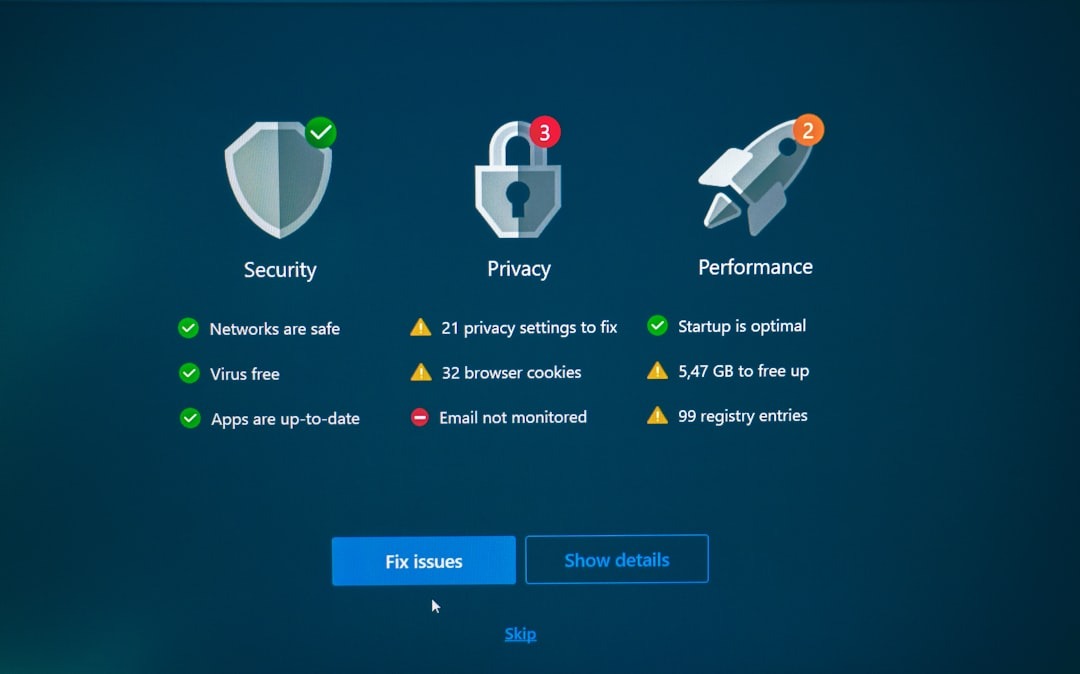
Cybersecurity no longer fails in spectacular explosions. Instead, it erodes quietly—through compromised credentials, poisoned data, and systems that keep running even after attackers slip inside. That subtlety defines the most dangerous cyber threats right now. For years, security teams focused on perimeter defence. However, the modern threat landscape ignores perimeters entirely. Attackers now move laterally,…
-

For years, cloud computing felt optional. Useful, yes. Convenient, certainly. But not essential. Many organizations still clung to on-premise servers, legacy systems, and the comforting illusion of control. Then the world paused. Almost overnight, cloud computing stopped being a strategic advantage and became critical infrastructure. Work moved online. Services went digital. Systems either scaled—or broke.…
-

Mention blockchain, and most people still think of price charts, speculative bubbles, and overnight fortunes. That association is understandable—but outdated. While headlines fixated on volatility, blockchain slipped into less glamorous spaces: logistics, healthcare, identity, infrastructure, and governance. No hype cycles. No memes. Just systems quietly doing what blockchains do best—creating trust where trust used to…
-

For decades, gaming followed a familiar ritual: buy expensive hardware, wait for long download times, then upgrade every few years when the next console arrived. Cloud gaming quietly breaks that ritual. Instead of pushing pixels from a box under the TV, cloud gaming streams entire games from remote servers—turning consoles into optional accessories rather than…