
Category: Assistive Technology
-
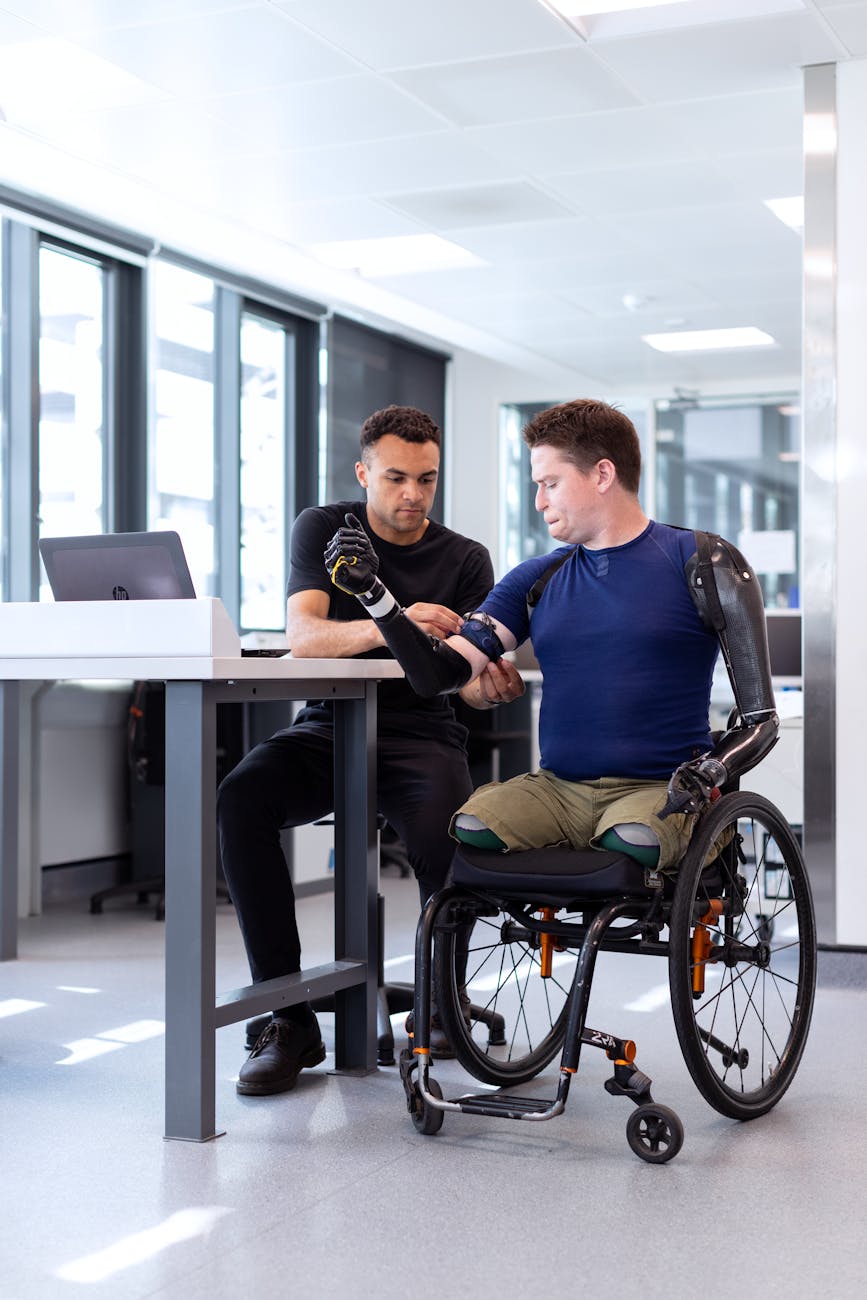
The question is no longer whether humans can enhance themselves. It’s whether we should—and under what rules. From gene editing and neural implants to AI-augmented cognition and bioengineered longevity, human enhancement technologies are accelerating. What once belonged to speculative fiction now occupies boardrooms, biotech labs, and policy debates. Yet innovation without ethical structure rarely ends…
-

For decades, brain–computer interfaces lived comfortably in science fiction—wires in skulls, glowing screens, and telepathic control reserved for cyberpunk futures. That future has quietly slipped into the present. Brain–computer interfaces, or BCIs, no longer exist solely in academic papers or speculative novels. Instead, they now restore movement, translate thoughts into text, and allow paralysed patients…
-

Technology moves fast. Unfortunately, misinformation about technology moves even faster. Despite living in an era defined by smartphones, cloud computing, and artificial intelligence, many people—founders, professionals, and even decision-makers—still operate under outdated or flat-out wrong assumptions about how technology works. These myths don’t just confuse; they actively shape bad choices, wasted budgets, and unrealistic expectations.…
-
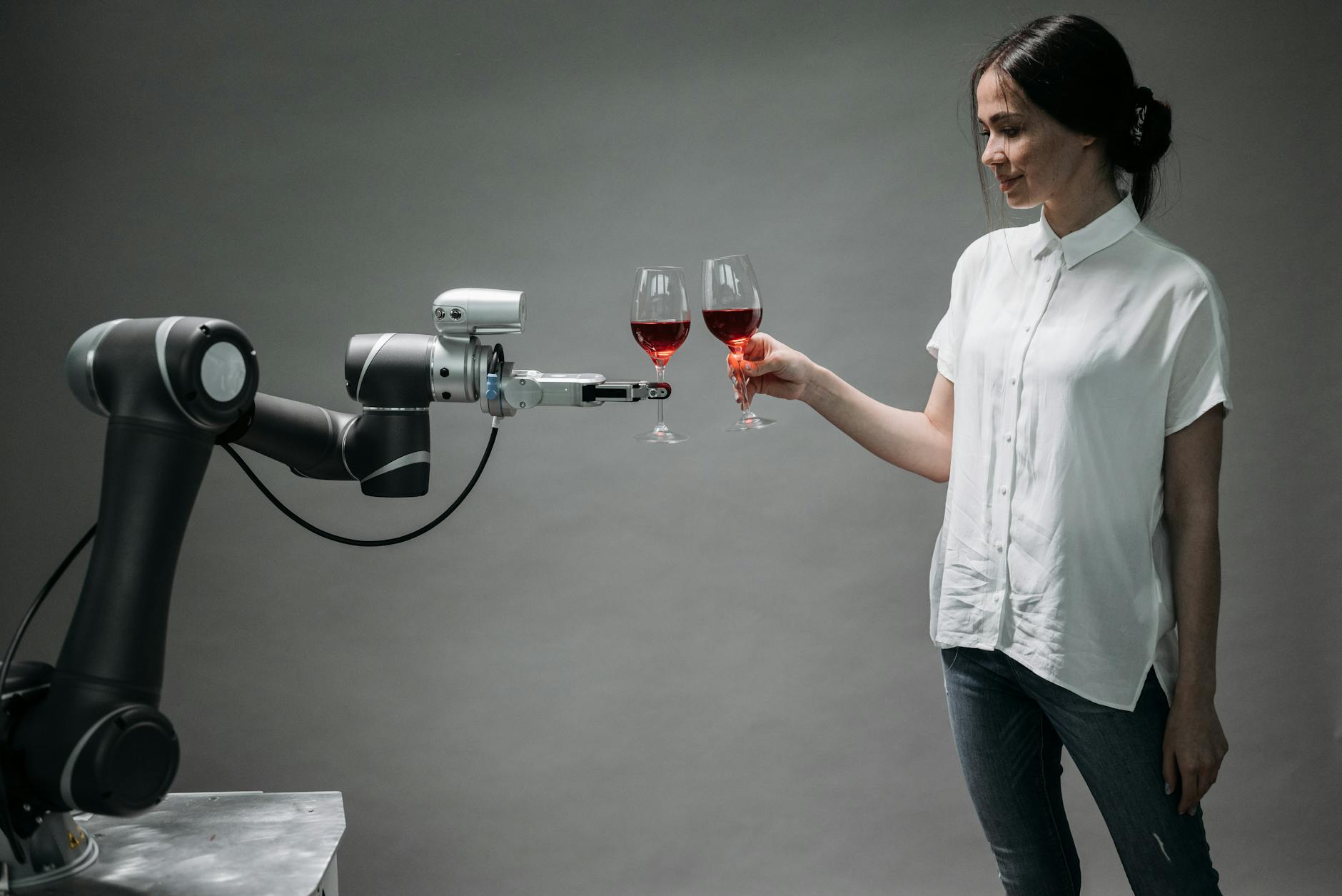
Artificial Intelligence has become the ultimate workplace Rorschach test. To some, it signals mass unemployment and economic upheaval. To others, it promises liberation from drudgery and a productivity renaissance. The truth, as usual, sits uncomfortably in between. AI won’t take all jobs—but it will permanently reshape what work looks like, how it’s valued, and who…
-
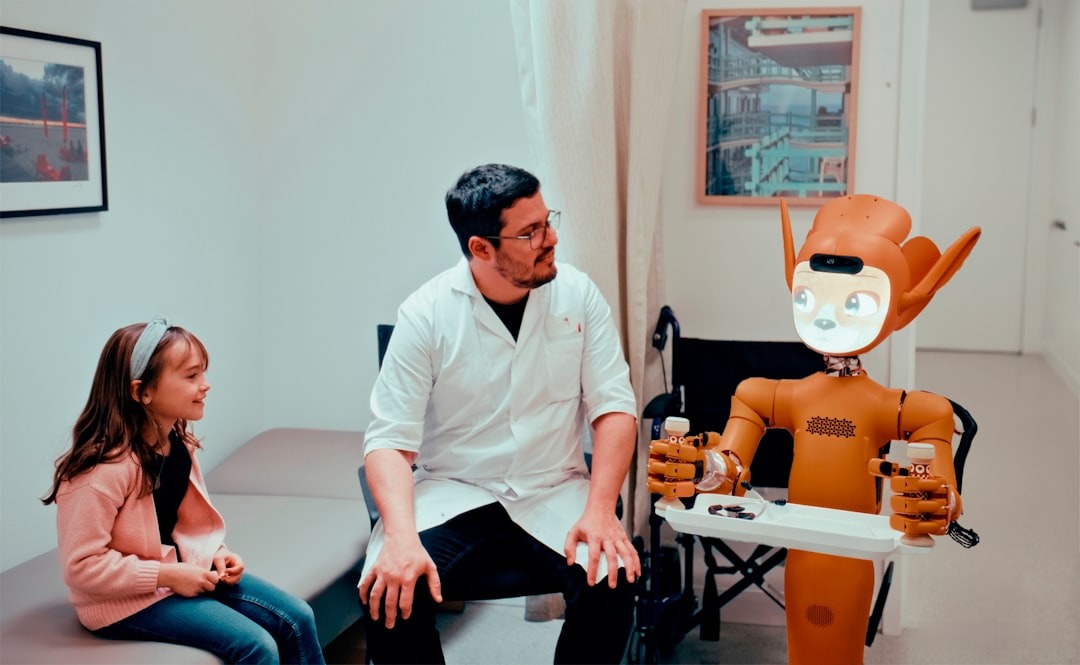
AI did not arrive in healthcare with a single, dramatic breakthrough. There was no moment when hospitals flipped a switch and suddenly became “AI-powered.” Instead, the transformation has unfolded in fragments—inside radiology departments, behind lab dashboards, within triage software, and deep inside hospital logistics systems. In many cases, patients never know it’s happening. Yet across…
-
Entertainment used to move in one direction. A screen lit up. A story unfolded. An audience watched. That model held for decades—through cinema, television, radio, and even early streaming. But somewhere between live-stream chats, open-world games, and algorithm-driven platforms, the boundary between creator and consumer began to erode. What replaced it wasn’t just a new…
-

For most of the past century, music production had a physical address. It lived in studios, controlled spaces filled with expensive hardware, acoustic treatments, and institutional gatekeepers. Access shaped sound. Budget-shaped ambition. Time shaped creativity. That model didn’t collapse overnight. Instead, it quietly dissolved, line by line of code, plugin by plugin, update by update.…
-
From how we work and learn to how we govern and connect, technology is quietly — and permanently — rewriting the rules of society. The Future Is Already in Motion Technology rarely changes society overnight. Instead, it reshapes norms gradually — until suddenly, the old ways feel impossible to return to. Today, advances in artificial…
-

🌍 Imagine a world where technology is not accessible to millions of people. For over 1 billion individuals worldwide who live with a disability, first, navigating the digital world can be a daily struggle. Yet, in an era of AI-driven innovation and smart devices, tech accessibility remains an afterthought for many companies. 💡 Why does…