
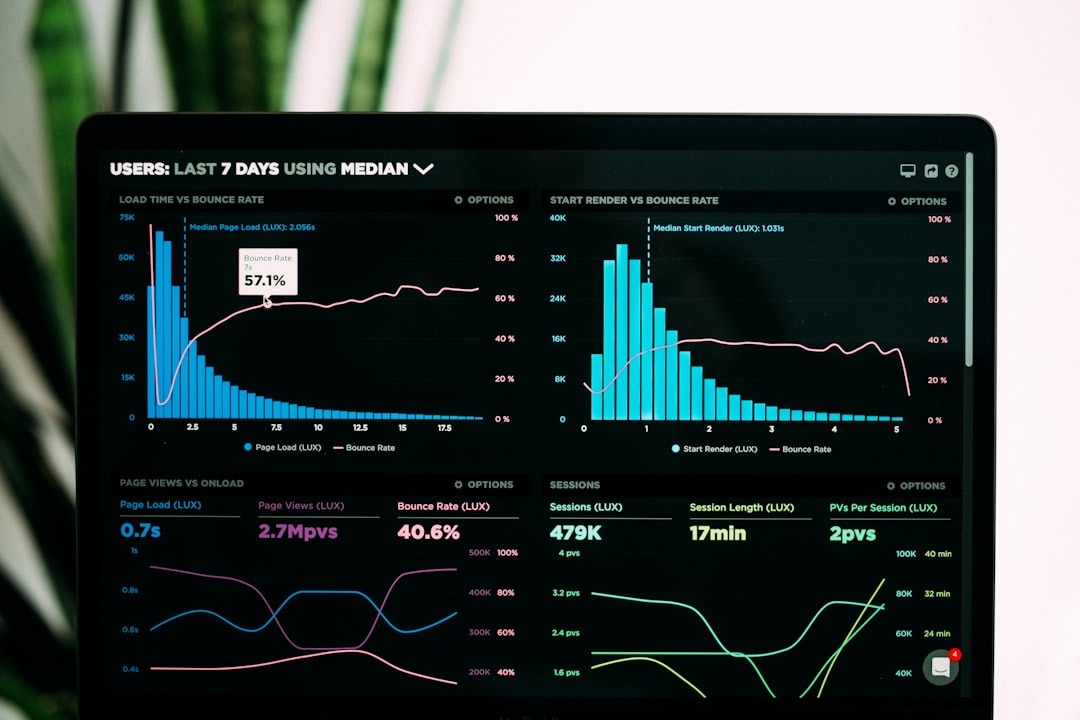
We asked technology to help us understand the world. Instead, it’s forcing us to question how much control we’re willing to give up.
Data Knows Us Better Than We Know Ourselves
Every click, swipe, search, and pause tells a story.
Not just about what we do — but about who we are.
Big data was supposed to make systems smarter and businesses more efficient. And it has. But somewhere along the way, it also became a mirror, reflecting our habits, vulnerabilities, and private lives back at us — often without our full understanding or consent.
The uncomfortable truth is this: the more data we collect, the harder the ethical questions become.
First, Convenience Quietly Changed the Rules
Big data didn’t arrive with fanfare. It arrived with convenience.
Personalised recommendations. Faster services. Smarter apps.
And slowly — almost invisibly — we agreed to trade privacy for ease.
What we didn’t fully realise, however, was that convenience doesn’t just collect data — it normalises surveillance.
Once data collection becomes invisible, questioning it feels inconvenient. And that’s precisely the problem.
Meanwhile, Consent Has Become Complicated
On paper, consent still exists. In practice, it’s blurred.
Most users:
- Don’t read privacy policies
- Don’t understand how their data is combined
- Don’t know how long it’s stored or who else accesses it
As a result, consent becomes less about choice and more about participation by default.
The ethical concern isn’t that data is collected — it’s that meaningful consent is slowly eroding.
At the Same Time, Data Is Shaping Decisions That Affect Lives
Big data doesn’t just analyse behaviour. It influences outcomes.
Algorithms now help decide:
- Who gets approved for loans
- Which resumes are seen by recruiters
- How law enforcement allocates resources
- What content people are exposed to
When data is flawed or biased — and it often is — those decisions can quietly reinforce inequality.
The danger isn’t malicious intent. It’s unchecked automation.
Diversity in Tech Is Improving — But Slowly
Additionally, Surveillance Is Expanding Faster Than Oversight
Governments and corporations collect massive amounts of data — often faster than laws can keep up.
Facial recognition, location tracking, and behavioural analysis now operate at scale.
The ethical tension lies here:
- Surveillance can improve safety
- It can also undermine freedom
Without clear boundaries, data becomes a tool of power — not just insight.
Meanwhile, Anonymity Is Becoming a Myth
Big data thrives on correlation.
Even when data is anonymised, combining multiple datasets can re-identify individuals with alarming accuracy.
What once felt abstract now feels personal:
- Health data
- Financial behavior
- Social interactions
Privacy isn’t disappearing all at once — it’s being chipped away gradually.
Furthermore, Ownership of Data Remains Unclear
One of the biggest ethical gaps is simple but unresolved: who owns data?
Is it:
- The person who generates it?
- The platform that collects it?
- The company that analyses it?
Until ownership is clearly defined, accountability remains diluted.
And without accountability, ethical responsibility becomes optional.
At the Same Time, Innovation Keeps Pushing Forward
To be clear, big data isn’t inherently harmful.
It enables:
- Medical breakthroughs
- Climate modeling
- Smarter infrastructure
- Personalized education
The ethical challenge is not stopping innovation — it’s steering it responsibly.
Progress without guardrails may be fast, but it’s rarely sustainable.
How Technology Will Shape Society in the Long Run
However, Ethics Rarely Scale as Fast as Technology
Technology scales exponentially. Ethics scale culturally.
That mismatch creates tension.
By the time society begins debating the impact of a technology, it’s often already deeply embedded in daily life.
Undoing harm becomes harder than preventing it.
Looking Ahead: Ethics as Infrastructure, Not Afterthought
The future of big data depends on whether ethics are treated as:
- A compliance checkbox
- Or a foundational design principle
Real progress will require:
- Transparent algorithms
- Clear data ownership
- Stronger regulation
- Ethical leadership inside tech companies
Most importantly, it will require public awareness and pressure.
Final Thoughts
Big data promised clarity. Instead, it revealed complexity.
The question is no longer whether we should use data — that debate is over.
The real question is how much power we’re willing to give to systems that know us so intimately, and whether we can demand responsibility from those who build them.
Because in the end, data doesn’t just describe society.
It shapes it.

Unleash Innovation with Digital Insights
Explore our blog for the latest trends and insights in software development, designed to inspire innovation and drive business success.


Leave a Reply