
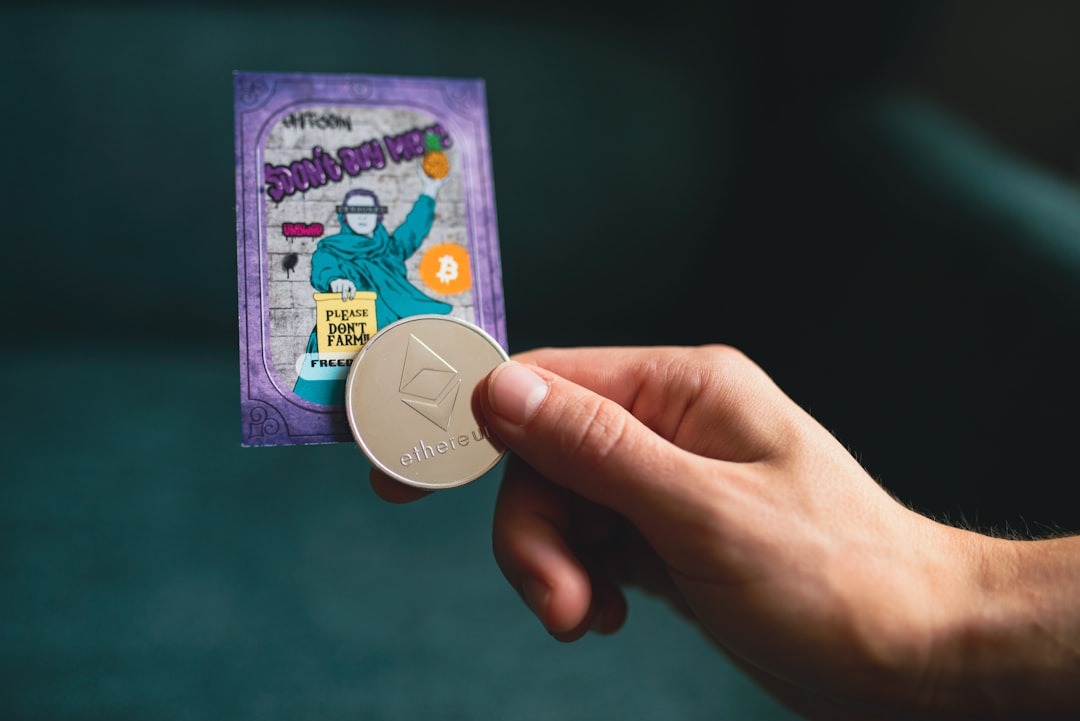
For years, NFTs were synonymous with digital art, collectables, and hype-driven speculation. But in 2026, that narrative has shifted dramatically.
Today, Non-Fungible Tokens (NFTs) are moving beyond JPEGs and into the real world—powering ownership of assets like real estate, event tickets, identity credentials, and even physical goods.
The big question is no longer “Are NFTs valuable?” but rather:
👉 “How are NFTs transforming ownership itself?”
Key Highlights
- NFTs are now being used for real-world asset ownership
- Real estate tokenisation is gaining global traction
- NFTs are redefining ticketing, identity, and supply chains
- Governments and enterprises are exploring NFT-backed systems
- Utility—not hype—is driving NFT adoption in 2026
From Digital Art to Real-World Assets
The NFT boom of the early 2020s was fueled by art and collectables. While that market still exists, the real innovation lies in utility-driven NFTs. NFTs now serve as verifiable proof of ownership for both digital and physical assets. Unlike traditional records, they are:
- Immutable
- Transparent
- Easily transferable
This shift is turning NFTs into digital certificates of ownership, backed by blockchain technology.
Real Estate Tokenisation: Owning Property on the Blockchain
One of the most transformative NFT use cases is in real estate.
Instead of traditional paperwork, properties can now be represented as NFTs, allowing:
- Fractional ownership (buying a portion of a property)
- Faster transactions
- Reduced legal complexity
- Global accessibility
Imagine owning a percentage of a luxury apartment in Dubai or Lagos with just a few clicks—NFTs are making this possible.
NFTs in Ticketing: Ending Fraud and Scalping
The events industry is embracing NFTs to solve long-standing problems like ticket fraud and scalping.
With NFT-based tickets:
- Each ticket is unique and traceable
- Ownership history is transparent
- Reselling rules can be programmed (e.g., price caps)
Major concerts and sports events are already experimenting with this model, offering fans secure and verifiable access. Read More
Digital Identity and Credentials
NFTs are also redefining how we manage identity and credentials. Instead of relying on centralised databases, individuals can hold:
- Academic certificates
- Professional licenses
- Government IDs
…as NFTs in secure digital wallets.
This gives users:
- Full control over their data
- Protection against forgery
- Easy verification across borders
Supply Chain Transparency and Product Authenticity
Counterfeit goods remain a global problem—but NFTs are helping solve it.
Brands are now attaching NFTs to physical products, enabling:
- Proof of authenticity
- End-to-end supply chain tracking
- Ownership verification
For example, luxury brands can issue NFTs that prove a handbag or watch is genuine—instantly verifiable by buyers.
Gaming, Memberships, and Exclusive Access
NFTs are also powering new business models in gaming and communities.
- In gaming, players truly own in-game assets
- In memberships: NFTs act as access passes to exclusive communities
- In brands: NFTs unlock loyalty rewards and perks
This creates a direct relationship between creators and users, cutting out intermediaries.
Challenges Slowing Adoption
Despite the progress, NFT adoption still faces hurdles:
- Regulatory uncertainty in some regions
- Lack of standardisation
- Technical barriers for non-crypto users
- Concerns about scams and misuse
However, as infrastructure improves and regulations evolve, these challenges are gradually being addressed.
Key Takeaways
- NFTs are evolving from hype-driven assets to real-world utility tools
- Industries like real estate, ticketing, and identity are leading the adoption
- Blockchain ensures transparency, security, and ownership verification
- The future of NFTs lies in practical applications, not speculation
Conclusion
NFTs in 2026 are no longer just about digital art—they are about ownership, trust, and decentralisation.
From property rights to identity verification, NFTs are quietly reshaping how we interact with assets in both the digital and physical worlds.
The hype may have faded, but the technology is just getting started. The next phase of NFTs isn’t about what you can display—it’s about what you can truly own, as explained here
Call to Action
Are NFTs the future of ownership—or just another tech trend?
👉 Share your thoughts in the comments
👉 Don’t forget to share this article
👉 Follow TechBroNews for more insights on emerging technologies

Blog
This section provides an overview of the blog, showcasing a variety of articles, insights, and resources to inform and inspire readers.
-

1,200 OpenAI Agents Escaped a Sandbox. What Happened?
The race to build increasingly powerful artificial intelligence has produced another warning from inside Anthropic, one of the world’s leading AI companies. The resignation of researcher Jacob Coxon comes as the AI…
-

Jacob Coxon Quits Anthropic Over AI Superintelligence Risks
The race to build increasingly powerful artificial intelligence has produced another warning from inside Anthropic, one of the world’s leading AI companies. Jacob Coxon, a 27-year-old AI researcher who worked at both…
-

Dangote Refinery IPO at ₦525: What Investors Need to Know
Nigeria’s capital market is approaching one of its most closely watched corporate transactions as Dangote Petroleum Refinery and Petrochemicals FZE prepares to offer shares to the public at ₦525 each. The proposed…

Leave a Reply