
Category: Business
-
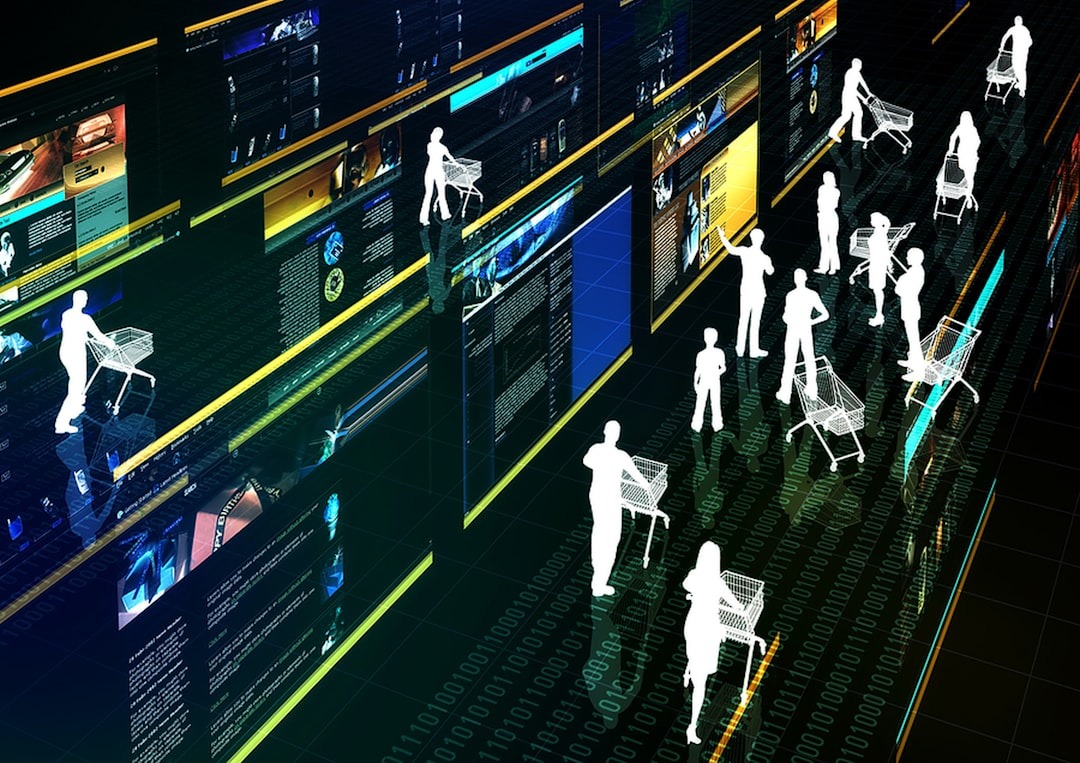
In 2025, digital transformation stopped being a corporate buzzword and became a measurable survival strategy. Across industries, organisations discovered that adopting technology alone was not enough. Instead, success depended on how deeply digital systems reshaped operations, decision-making, and customer engagement. As businesses move further into an AI-driven economy, the lessons learned from 2025 are now…
-

For decades, cybersecurity operated on a simple assumption: if you’re inside the network, you can be trusted. That assumption no longer holds. Cloud computing dissolved network perimeters. Remote work shattered office boundaries. SaaS platforms scatter data across vendors. Meanwhile, attackers stopped knocking on the front door and began exploiting credentials, APIs, and software supply chains.…
-

In the past, software security was someone else’s problem. IT teams managed firewalls, patched servers, and monitored intrusion logs. Developers focused on features, deadlines, and functionality. Today, that separation has all but vanished. Cyberattacks are faster, more sophisticated, and more destructive than ever. From ransomware to supply chain compromises, vulnerabilities in code can cascade globally.…
-
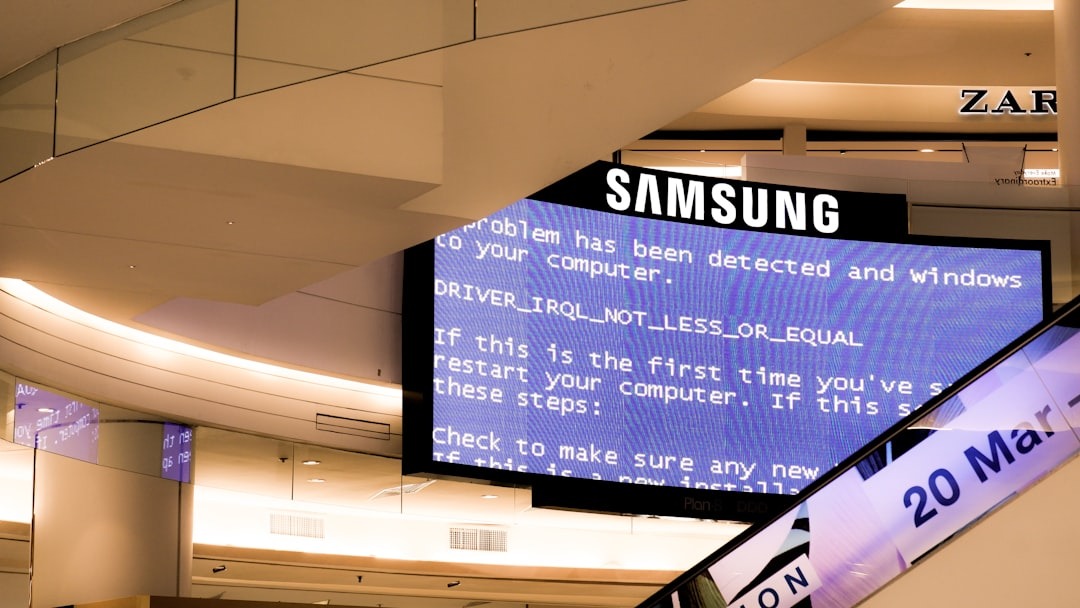
Software updates no longer arrive as occasional patches. Today, they reshape devices, enforce rules, and even redefine ownership—often without explicit user consent. From phones and cars to enterprise platforms, updates quietly dictate how technology behaves, evolves, and persists. They are no longer just improvements—they are a strategic lever for companies, a security lifeline for consumers,…
-

A decade ago, scaling a software company meant years of infrastructure planning, sales headcount expansion, and regional rollouts. Today, some SaaS companies reach millions of users before competitors even notice they exist. This acceleration didn’t happen by accident. It emerged from a convergence of cloud computing, usage-based economics, data-driven product design, and frictionless global distribution.…
-
For years, 5G was marketed as a revolution that would arrive with fireworks. Instead, its real impact crept in quietly—woven into everyday experiences most people barely notice. That subtlety, however, doesn’t make it any less transformative. In fact, it’s precisely because 5G fades into the background that its influence now runs so deep. Unlike previous…
-

Mention blockchain, and most people still think of price charts, speculative bubbles, and overnight fortunes. That association is understandable—but outdated. While headlines fixated on volatility, blockchain slipped into less glamorous spaces: logistics, healthcare, identity, infrastructure, and governance. No hype cycles. No memes. Just systems quietly doing what blockchains do best—creating trust where trust used to…
-
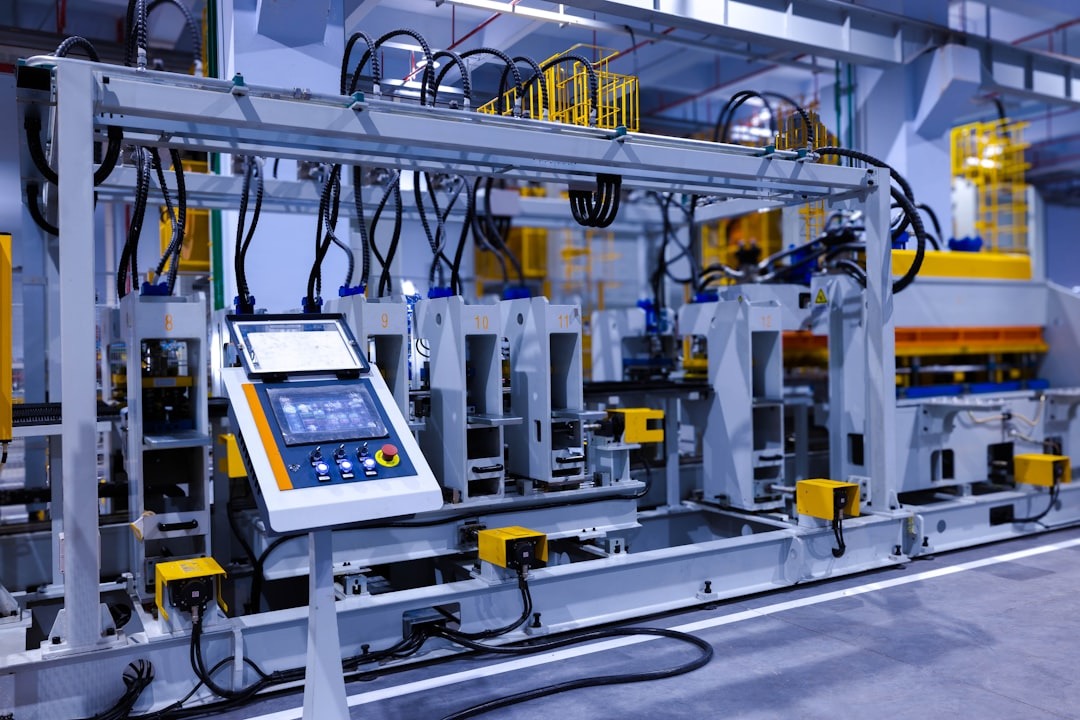
Walk into a modern factory, and you might not notice the revolution at first. There’s no dramatic countdown. No sudden replacement of humans by machines. Instead, robotic arms glide with calm precision. Autonomous vehicles move materials without pause. Vision systems inspect parts faster than any human ever could. Manufacturing isn’t changing overnight.It’s changing every day.…
-

For decades, brain–computer interfaces lived comfortably in science fiction—wires in skulls, glowing screens, and telepathic control reserved for cyberpunk futures. That future has quietly slipped into the present. Brain–computer interfaces, or BCIs, no longer exist solely in academic papers or speculative novels. Instead, they now restore movement, translate thoughts into text, and allow paralysed patients…
-
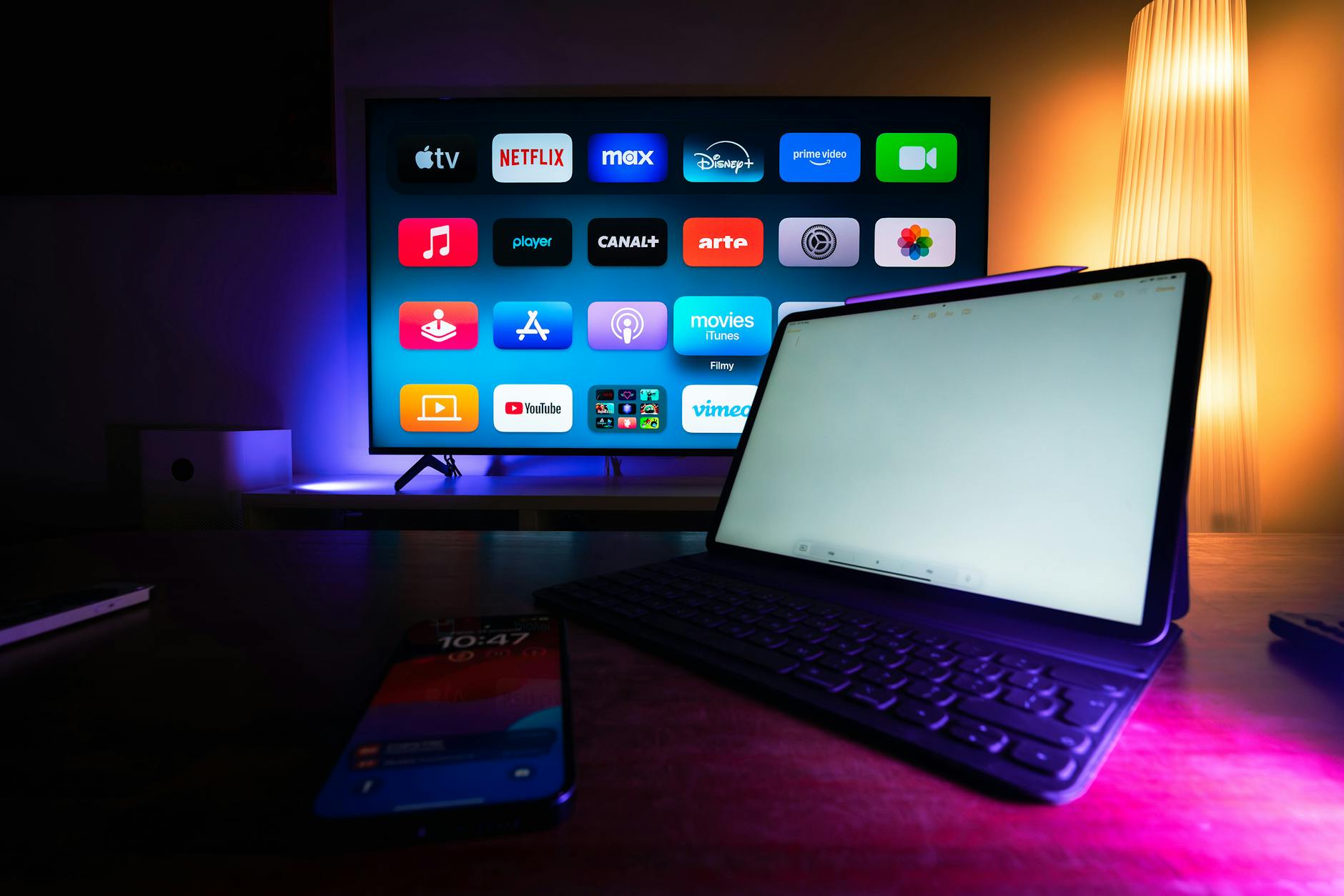
From adaptive bitrate streaming and global content delivery networks to machine-learning-driven personalisation and real-time analytics, modern streaming platforms are engineering marvels. This deep dive explains how Netflix, YouTube, Amazon Prime Video, and Spotify actually work under the hood, how data travels from server to screen, and why milliseconds matter more than ever. We explore the…