
-
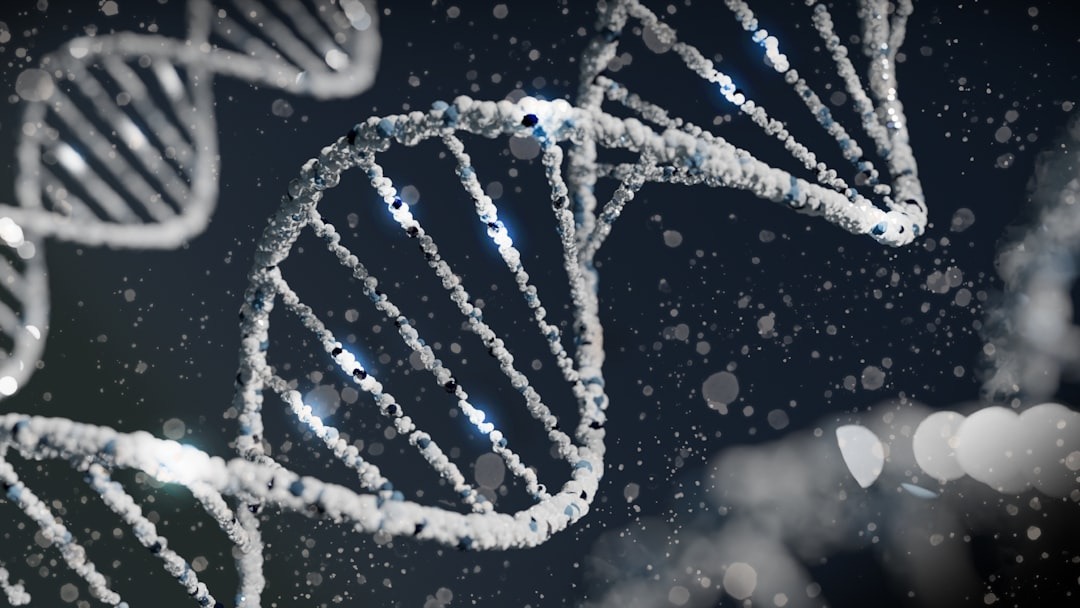
For decades, gene therapy lived on the edge of possibility. Scientists promised cures at the molecular level. Investors poured billions into biotech startups. Yet progress often felt incremental—punctuated by setbacks, safety concerns, and regulatory hesitation. Then, 2026 changed the tempo. This year marks a structural shift in how gene therapy is developed, delivered, and scaled.…
-
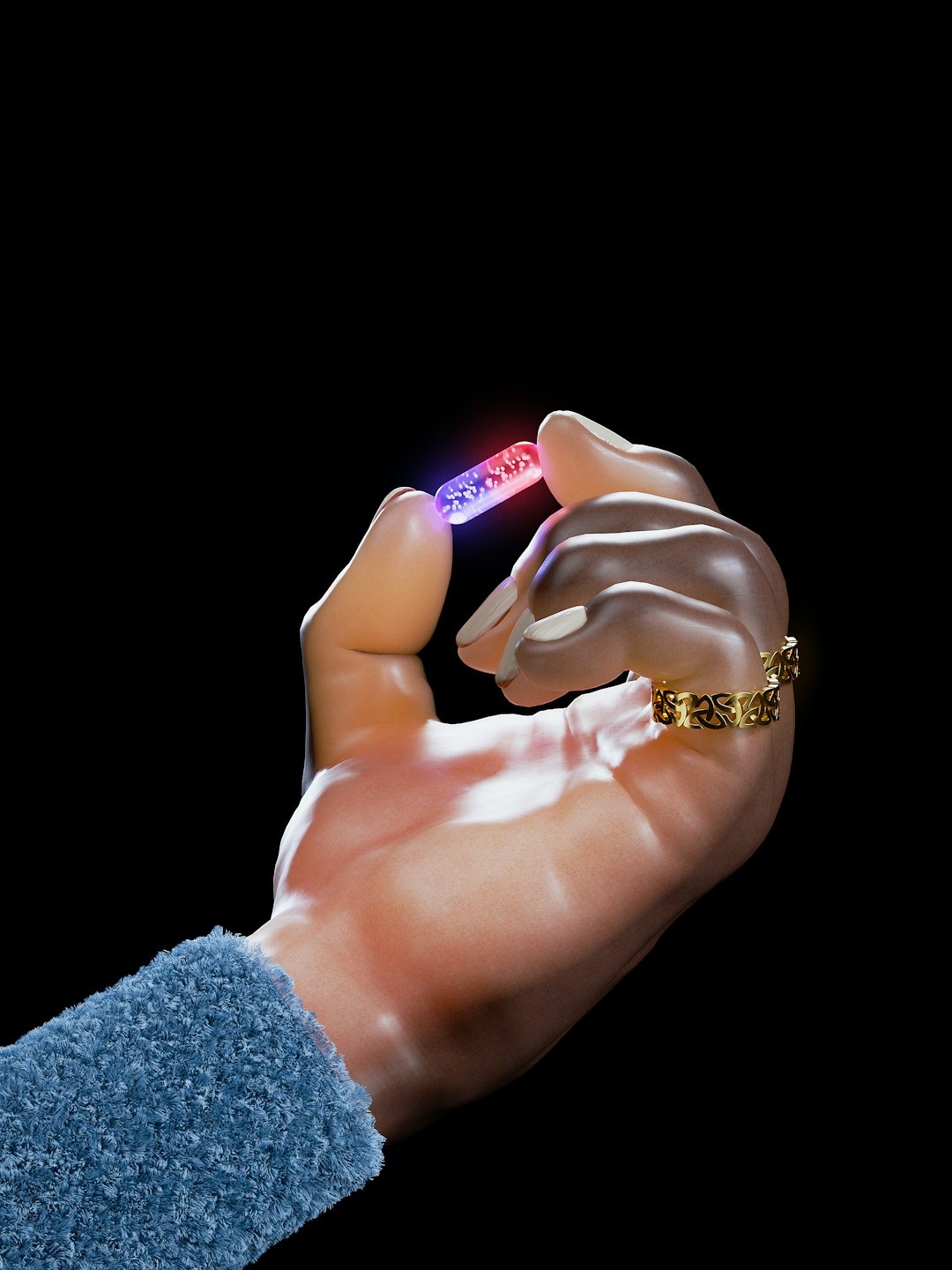
A tiny chip beneath the skin.A neural implant translating thoughts into movement.A cardiac device transmitting data to the cloud in real time. What once felt speculative now exists inside operating rooms—and increasingly, inside people. Implantable technology is advancing at a pace few predicted. Yet as these devices move from life-saving tools to lifestyle enhancements, one…
-
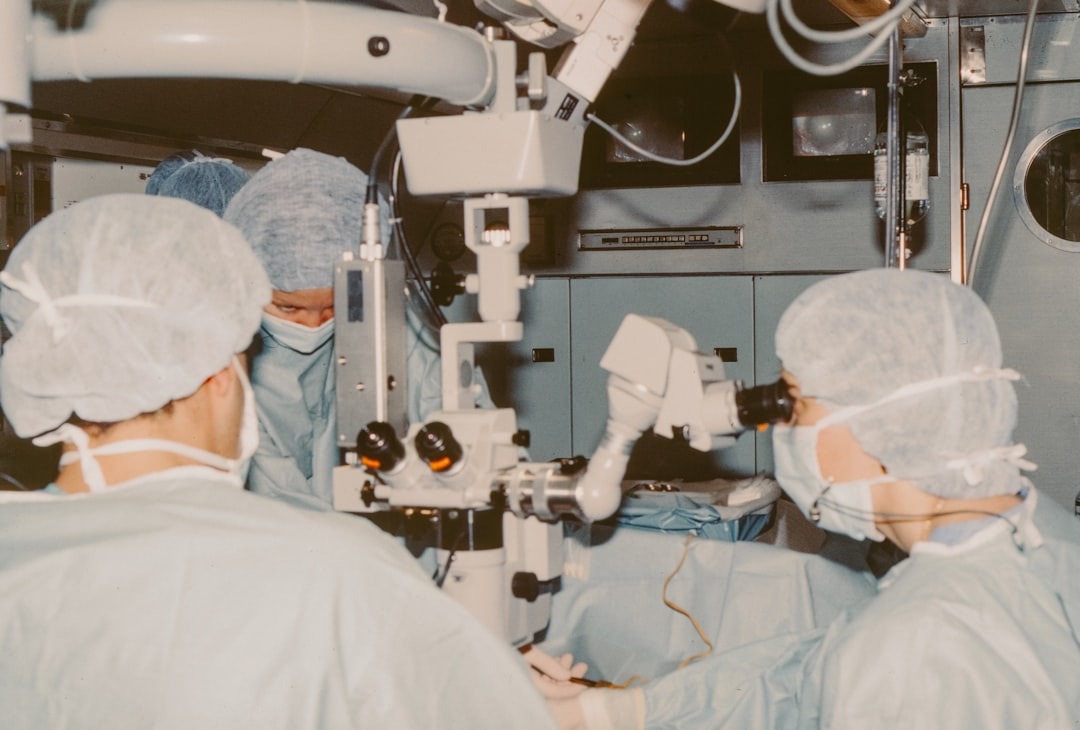
If you had told a surgeon twenty years ago that they could operate on a patient thousands of miles away, they would have called it science fiction. Today, it’s clinical reality. Remote surgery and robotic assistance are no longer experimental side projects inside elite research labs. Instead, they are rapidly becoming pillars of modern healthcare…
-
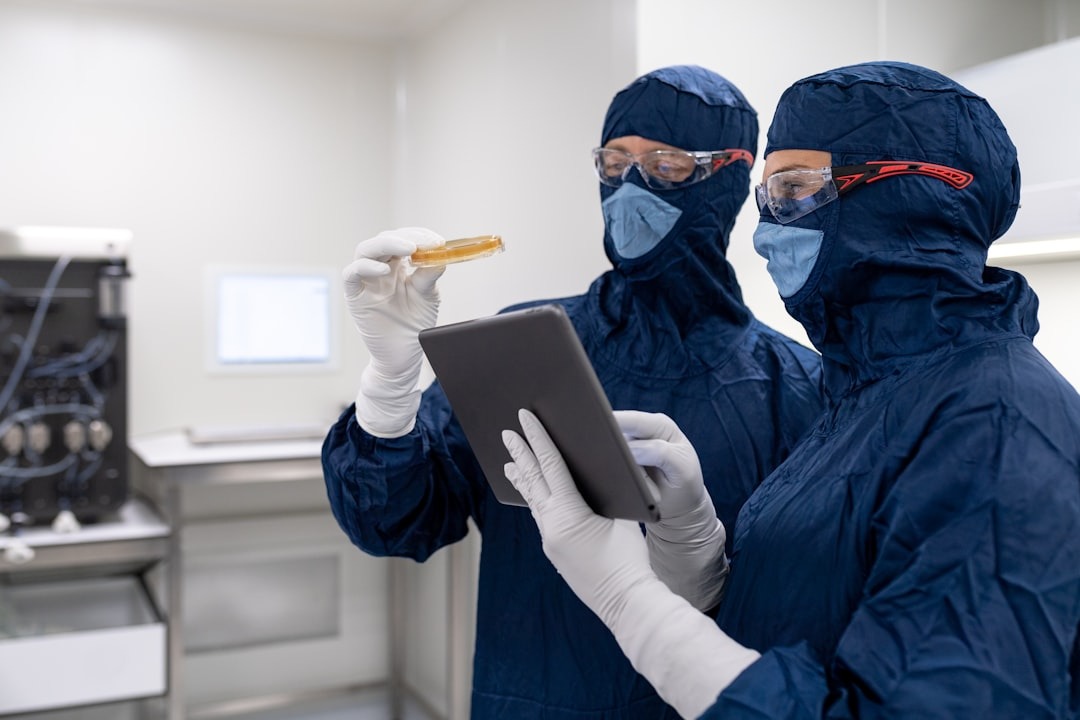
For most of the modern era, biotechnology and digital technology evolved in parallel. One decoded life. The other digitised information. However, that separation is rapidly dissolving. Today, DNA is treated like code. Cells are engineered like programmable systems. Drug discovery is accelerated by artificial intelligence. Biological data is processed in cloud-scale environments. In short, biotechnology…
-
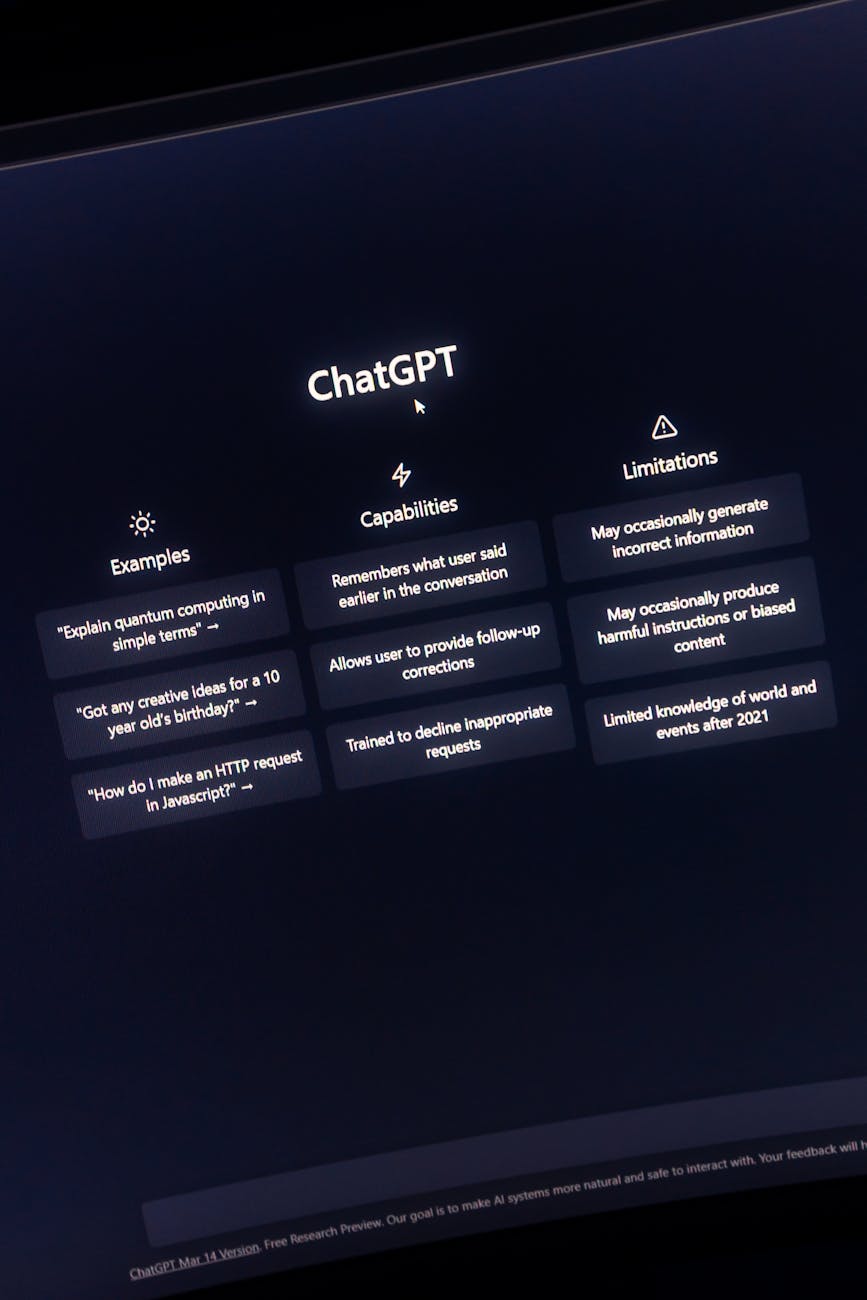
Artificial intelligence is everywhere. From generative chatbots to predictive healthcare systems, AI appears unstoppable. Companies invest billions. Governments race for dominance. Headlines promise transformation across every industry. However, beneath the excitement lies a quieter reality. Artificial intelligence has limits—technical, economic, ethical, and structural—that are rarely discussed with the same enthusiasm as breakthroughs. Understanding these limits…
-

For decades, space exploration moved at a deliberate pace. Launches were rare. Missions were state-controlled. Budgets were immense. Progress was steady—but slow. Today, however, space technology is advancing faster than almost anyone predicted. Reusable rockets land autonomously. Private companies deploy thousands of satellites annually. AI navigates spacecraft millions of miles from Earth. Human missions to…
-

For centuries, medicine has fought disease at the macro level. We swallow pills. We undergo surgery. We inject therapies into the bloodstream and hope they reach the right target. Treatments circulate broadly, often affecting healthy tissue alongside diseased cells. Nanotechnology changes that paradigm entirely. Instead of treating illness with blunt instruments, nanotechnology operates at the…
-
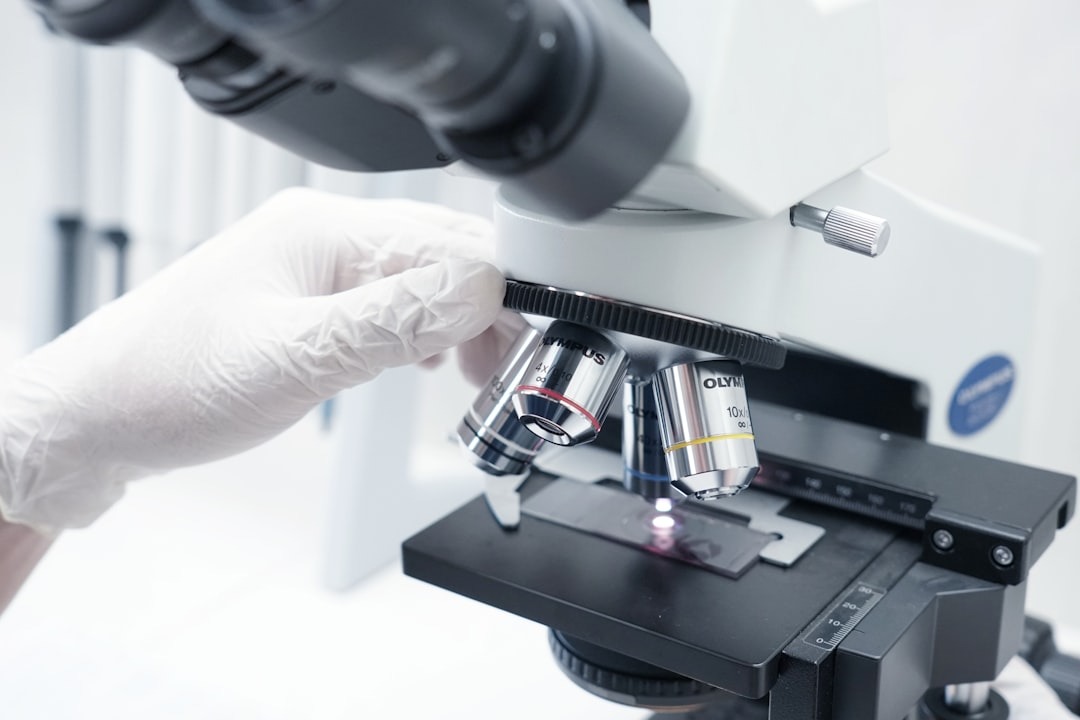
For most of modern history, biology and technology evolved along parallel tracks. Biology focuses on cells, organisms, and ecosystems. Technology centred on silicon, software, and systems. One studied life. The other engineered machines. Today, however, those boundaries are dissolving. Biotechnology and digital technology are rapidly merging—creating programmable biology, AI-driven drug discovery, bioengineered materials, and data-powered…
-
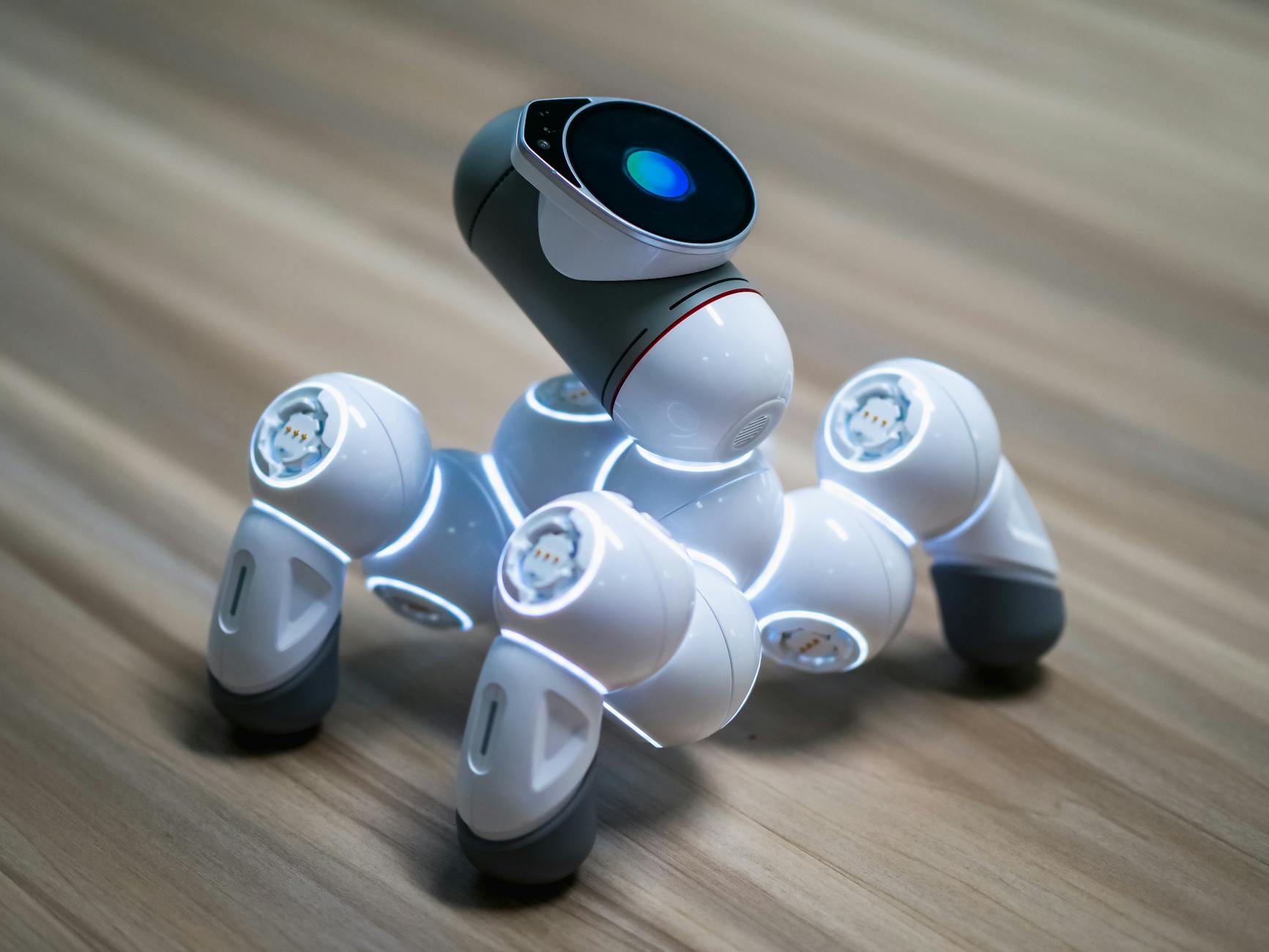
For centuries, industrial revolutions have been defined by materials. The Bronze Age reshaped tools and warfare. The Industrial Revolution accelerated with steel. The 20th century scaled on plastics and semiconductors. Now, however, a new class of materials is emerging—materials that respond, adapt, self-heal, and even think. Smart materials could power the next industrial shift. Unlike…
-
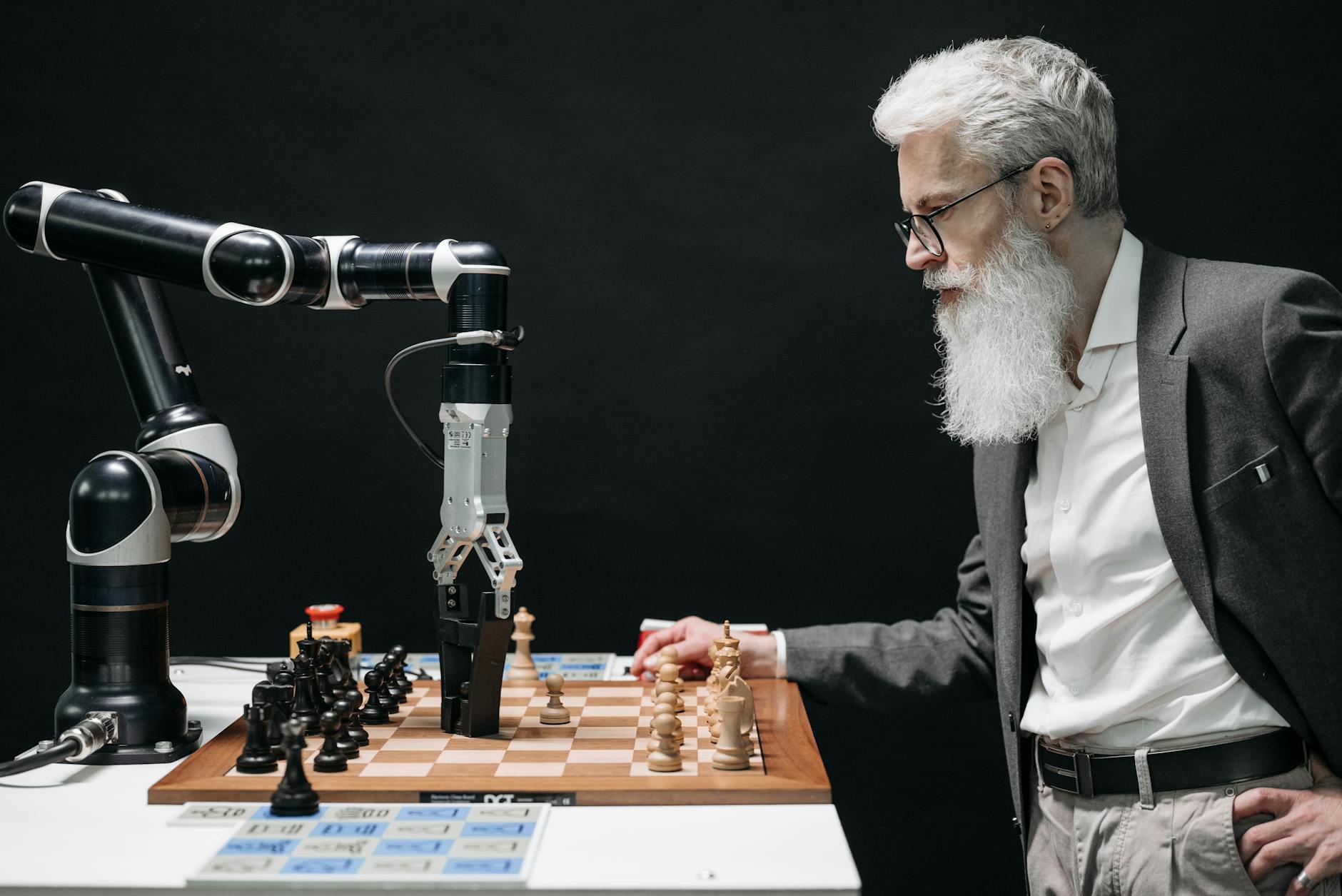
For decades, humans adapted to machines. We learned programming languages. We memorised keyboard shortcuts. We navigated rigid interfaces designed around hardware limitations. Now, however, the balance is shifting. Machines are adapting to us. The future of human-machine interaction (HMI) will not revolve solely around keyboards, touchscreens, or even smartphones. Instead, it will be shaped by…