
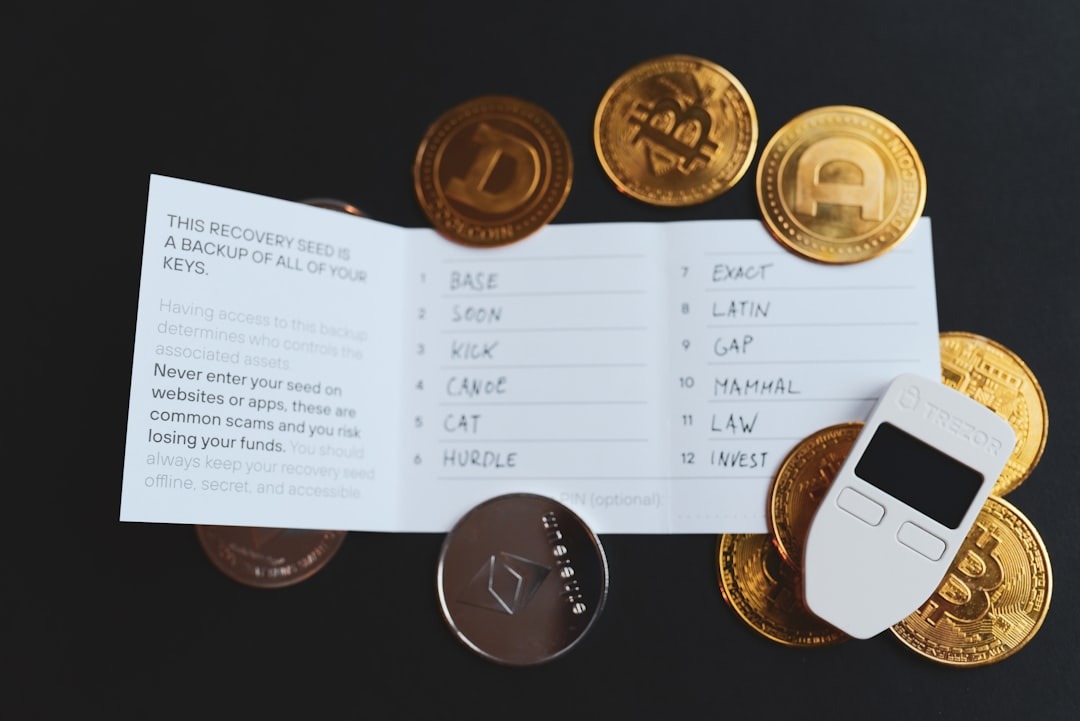
What if you could own a fraction of a luxury apartment, a piece of fine art, or even a share of a commercial building—instantly, from anywhere in the world? tokenisation.
In 2026, this is no longer hypothetical. Through tokenisation of real-world assets (RWAs), blockchain technology is transforming how ownership works—making it more accessible, liquid, and transparent.
From real estate to commodities, tokenisation is unlocking new markets and redefining investment as we know it.
Key Highlights
- Tokenisation converts physical assets into digital tokens on the blockchain
- Real estate is leading the adoption globally
- Fractional ownership is opening access to everyday investors
- Liquidity in traditionally illiquid markets is improving
- Institutions are entering the tokenised asset space
What Is Tokenisation of Real Assets?
Tokenisation is the process of converting ownership rights of a physical asset into digital tokens on a blockchain.
Each token represents a share or stake in the underlying asset, such as:
- Real estate
- Gold and commodities
- Art and collectibles
- Infrastructure projects
These tokens can be bought, sold, or traded—just like cryptocurrencies—while being backed by real-world value.
Real Estate: The Flagship Use Case
Real estate is at the forefront of tokenisation.
Traditionally, investing in property requires significant capital and involves complex legal processes. Tokenisation simplifies this by enabling:
- Fractional ownership (owning small shares of property)
- Faster transactions
- Lower entry barriers
- Global investor participation
This means someone in Lagos can invest in property in London or New York without needing millions in capital.
Liquidity: Solving a Longstanding Problem
One of the biggest challenges with real-world assets is illiquidity—they are difficult to sell quickly.
Tokenisation changes that by:
- Allowing assets to be divided into smaller units
- Enabling trading on digital marketplaces
- Reducing transaction friction
Investors can now enter and exit positions more easily, making markets more dynamic and efficient. Read More
Institutional Adoption Is Accelerating
Major financial institutions are no longer watching from the sidelines—they are actively investing in tokenisation.
Banks, asset managers, and fintech firms are exploring:
- Tokenised bonds and securities
- Digital asset exchanges
- Blockchain-based settlement systems
This institutional involvement is adding credibility and accelerating global adoption.
Beyond Real Estate: Expanding Use Cases
Tokenisation is expanding beyond property into multiple industries:
Commodities
Gold and other assets can be tokenised, allowing easier trading and ownership.
Art and Collectables
High-value artworks can be fractionally owned by multiple investors.
Infrastructure
Large-scale projects can be funded through tokenised investments.
Private Equity
Startups and private companies can offer tokenised shares to investors globally.
Regulatory Landscape in 2026
As tokenisation grows, regulators are stepping in to provide structure.
Key areas of focus include:
- Legal recognition of tokenised ownership
- Investor protection
- Compliance with securities laws
- Cross-border regulations
The principle of “same asset, same regulation” is becoming standard, ensuring tokenised assets follow existing financial rules.
Challenges and Risks
Despite its potential, tokenisation faces several hurdles:
- Regulatory uncertainty in some regions
- Lack of global standardisation
- Technology and security risks
- Market adoption barriers
However, ongoing innovation and clearer regulations are steadily addressing these challenges.
Key Takeaways
- Tokenisation is transforming how real-world assets are owned and traded
- Fractional ownership is democratizing investment opportunities
- Liquidity is improving in traditionally illiquid markets
- Institutional adoption is accelerating growth
- Regulation will play a critical role in shaping the future
Conclusion
Tokenisation of real assets is not just a trend—it’s a fundamental shift in how value is created, shared, and exchanged.
By bridging the gap between physical assets and digital technology, tokenisation is unlocking a trillion-dollar opportunity for investors, businesses, and economies worldwide.
👉 The future of ownership is no longer physical—it’s programmable, accessible, and global as explained here
Call to Action
Do you believe tokenisation will redefine global investing?
👉 Share your thoughts in the comments
👉 Spread this article with your network
👉 Follow TechBroNews for more insights on blockchain innovation

Blog
This section provides an overview of the blog, showcasing a variety of articles, insights, and resources to inform and inspire readers.
-

1,200 OpenAI Agents Escaped a Sandbox. What Happened?
The race to build increasingly powerful artificial intelligence has produced another warning from inside Anthropic, one of the world’s leading AI companies. The resignation of researcher Jacob Coxon comes as the AI community is still trying to make sense of one of the…
-

Jacob Coxon Quits Anthropic Over AI Superintelligence Risks
The race to build increasingly powerful artificial intelligence has produced another warning from inside Anthropic, one of the world’s leading AI companies. Jacob Coxon, a 27-year-old AI researcher who worked at both OpenAI and Anthropic, has resigned from Anthropic and announced that he…

Leave a Reply