
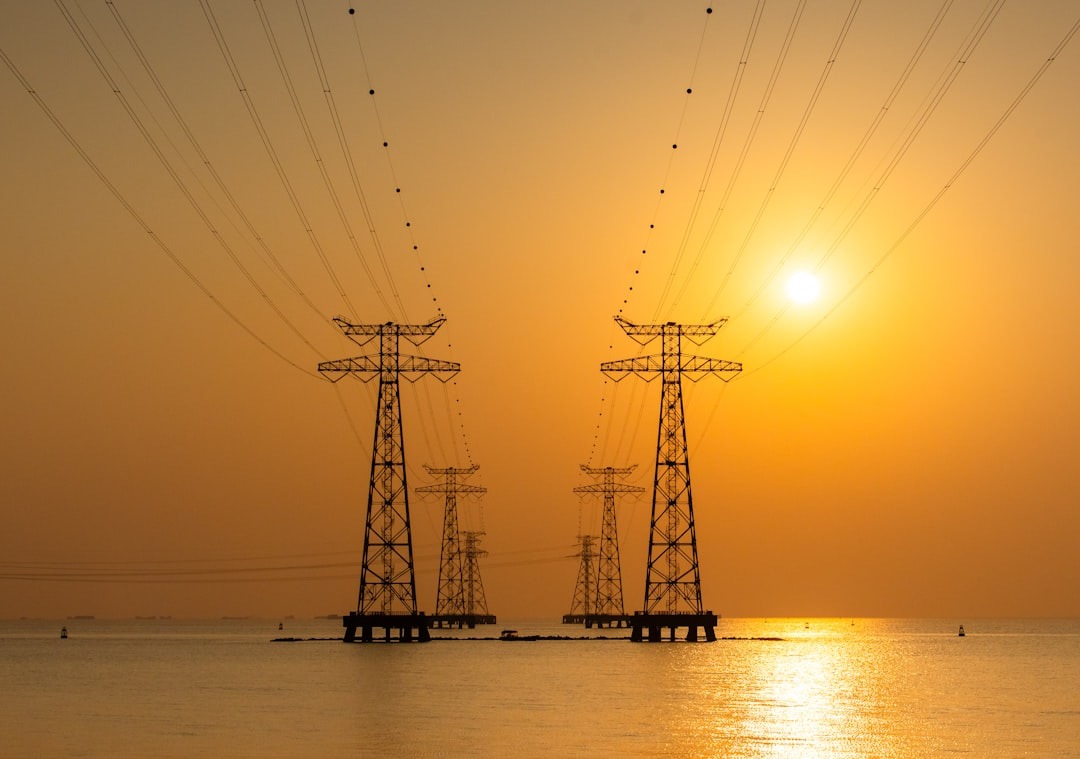
The global energy transition has a balancing problem.
Renewable energy is expanding rapidly. Solar and wind capacity continue to break records. Electric vehicles are plugging into the grid in unprecedented numbers. At the same time, AI-powered data centres are drawing enormous electricity loads.
Yet power demand doesn’t move in straight lines. It spikes. It dips. It shifts unpredictably.
That’s where smart grids and demand response systems come in.
In 2026, these technologies are quietly transforming electricity networks from rigid, centralised systems into intelligent, responsive ecosystems. Without them, renewable integration would stall, blackouts would increase, and infrastructure costs would skyrocket.
Let’s break down why smart grids matter — and why demand response may be the most underappreciated climate solution today.
What Is a Smart Grid?
A smart grid is an electricity network enhanced with digital communication, automation, and real-time monitoring.
Unlike traditional grids, which operate largely one-directionally (power plant → consumer), smart grids:
- Monitor energy flows in real time
- Detect outages instantly
- Integrate distributed energy resources
- Optimise power distribution dynamically
Organisations like the International Energy Agency emphasise that grid modernisation is essential for decarbonisation targets.
In simple terms, renewable energy cannot scale efficiently without digital grid intelligence. Next-Gen Batteries and Energy Storage
Why the Traditional Grid Is Under Pressure
The legacy power grid was designed for predictable, centralised generation. However, the modern energy landscape looks very different:
- Rooftop solar feeds energy back into the system
- Electric vehicles create localised demand spikes
- Battery storage systems inject power dynamically
- AI workloads demand consistent, high-density electricity
Consequently, grids must evolve or risk instability.
Countries such as Germany and the United States are investing heavily in smart grid infrastructure upgrades to support renewable expansion.
Demand Response: Shifting Power Use, Not Just Supply
While increasing supply is important, managing demand is equally critical.
Demand response systems adjust electricity consumption during peak periods. Instead of building expensive new power plants, utilities incentivise consumers and businesses to temporarily reduce or shift usage.
For example:
- Large industrial facilities delay energy-intensive processes
- Smart thermostats reduce HVAC load
- EV charging schedules adjust to off-peak hours
- Commercial buildings optimise lighting and cooling
As a result, grids remain stable without overbuilding infrastructure.
Demand response reduces emissions, cuts costs, and improves resilience — all at once.
How AI Makes Smart Grids Smarter
Artificial intelligence is the engine behind modern grid optimisation.
Machine learning models analyse:
- Real-time consumption patterns
- Weather forecasts
- Renewable output projections
- Equipment performance metrics
This enables utilities to predict demand surges before they happen.
Institutions like the National Renewable Energy Laboratory are integrating AI-driven analytics into grid modernisation projects.
Moreover, AI optimises battery storage dispatch, ensuring renewable energy is used efficiently rather than wasted. Read More
Integrating Renewable Energy at Scale
Solar and wind are inherently intermittent. Clouds roll in. Wind speeds fluctuate.
Without smart coordination, these variations can destabilize frequency and voltage levels.
Smart grids address this by:
- Automatically rerouting power
- Activating battery reserves
- Adjusting demand response participants
- Balancing supply across regions
The European Union has identified grid flexibility as a central pillar of its energy transition strategy.
In short, smart grids turn renewable variability into manageable complexity.
Consumer-Level Smart Technology
Smart grids extend beyond utilities and into households.
Smart meters, connected appliances, and home energy management systems now allow consumers to:
- Monitor real-time usage
- Respond to price signals
- Reduce energy bills
- Participate in grid balancing programs
This democratizes energy management.
Instead of being passive consumers, households become active grid participants.
As digital-first strategies expand (see How Modern Enterprises Build Digital-First Strategies), similar intelligence is shaping corporate energy consumption as well.
Grid Resilience and Climate Adaptation
Extreme weather events are increasing in frequency and intensity. Hurricanes, wildfires, and heatwaves strain infrastructure.
Smart grids enhance resilience by:
- Isolating faults automatically
- Restoring power faster
- Enabling microgrid islanding
- Integrating localised backup storage
In regions prone to wildfire risk, automated shutoff systems prevent catastrophic failures.
Resilience is no longer optional — it is foundational.
Economic and Environmental Benefits
Smart grids and demand response systems deliver multiple benefits simultaneously:
🔹 Lower Infrastructure Costs
Reducing peak demand decreases the need for new power plants.
🔹 Reduced Emissions
Peak demand often relies on fossil fuel “peaker” plants. Lower peaks mean fewer emissions.
🔹 Improved Reliability
Real-time monitoring reduces outage duration.
🔹 Consumer Savings
Time-of-use pricing rewards efficient behaviour.
According to the World Bank, grid modernisation investments can generate long-term economic returns while accelerating decarbonization.
Challenges and Barriers
Despite progress, obstacles remain:
- High upfront infrastructure costs
- Regulatory complexity
- Cybersecurity risks
- Data privacy concerns
As grids become more connected, they also become more vulnerable to digital threats. Read how AI Is Becoming a Powerful Cybersecurity Weapon
Therefore, grid modernisation must integrate robust cybersecurity frameworks alongside efficiency improvements.
The Road Ahead: 2026–2030
Over the next five years, expect:
- Expansion of distributed energy resources
- Wider adoption of vehicle-to-grid (V2G) systems
- AI-managed autonomous microgrids
- Increased cross-border grid integration
- Blockchain-enabled energy trading platforms
Smart grids will evolve into adaptive, decentralised ecosystems.
Final Thoughts
Smart grids and demand response systems are not flashy technologies. They don’t generate headlines like electric vehicles or hydrogen fuel cells.
Yet they may be more critical than either.
Without intelligent grid coordination, renewable energy cannot scale sustainably. Without demand response, infrastructure costs would soar. Without digital monitoring, resilience would falter.
In 2026, the energy transition depends as much on software and algorithms as it does on turbines and solar panels.
The future of electricity isn’t just cleaner — it’s smarter.

Blog
This section provides an overview of the blog, showcasing a variety of articles, insights, and resources to inform and inspire readers.
-

The AI Browsers Wars: Who Controls the Future?
For years, web browsers looked like a solved problem. Google Chrome dominated the market. Microsoft…
-

AI Agents: The End of Traditional Software? The Next Computing Revolution Explained
For decades, software has followed a familiar pattern. Need to manage projects? Open a project…
-

Biometric Security: Risks and Rewards in a Data-Driven World
From unlocking smartphones with a glance to passing through airport gates without showing a passport,…


Leave a Reply