
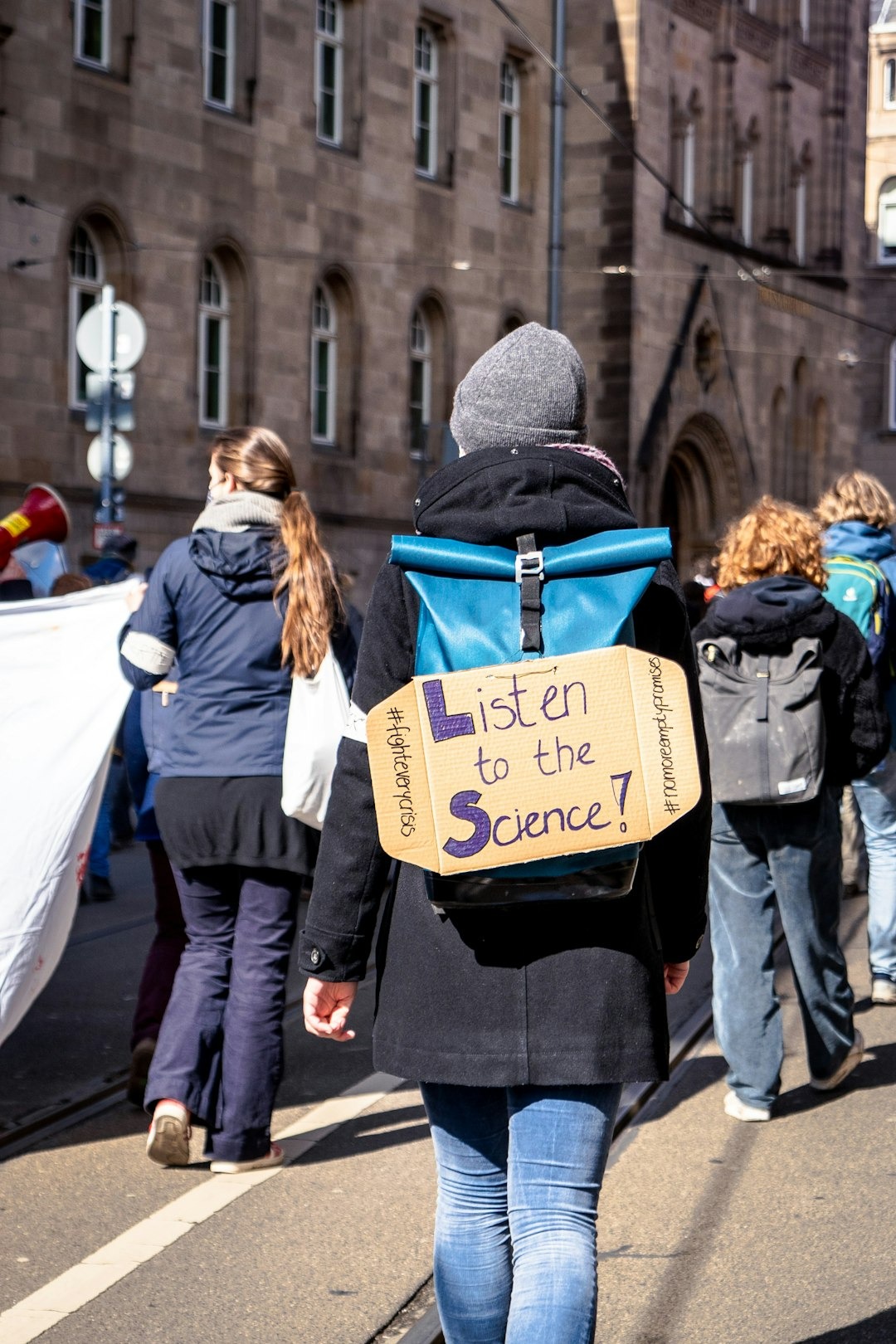
AI as a Game-Changer for Climate Action
Climate change is one of the most pressing challenges of our time, with rising global temperatures, extreme weather events, and environmental degradation threatening ecosystems and economies. While traditional climate action strategies focus on policy changes and technological advancements, Artificial Intelligence (AI) is emerging as a powerful tool in the fight against climate change.
From predicting climate patterns to optimizing energy efficiency, AI is transforming the way we approach environmental sustainability. But how exactly does AI contribute to combating climate change, and what are its limitations? Let’s explore the role AI plays in building a greener future.
1. AI for Climate Prediction and Monitoring
Understanding and predicting climate patterns is crucial for effective climate action. AI-powered models can analyze vast amounts of climate data to provide more accurate predictions than traditional methods.
🔍 How AI Helps:
✅ Climate Modeling: AI improves climate models by analyzing historical weather patterns and predicting future trends.
✅ Early Warning Systems: Machine learning algorithms detect hurricanes, floods, and wildfires in advance, allowing timely disaster response.
✅ Satellite Monitoring: AI processes real-time satellite images to track deforestation, melting ice caps, and ocean pollution.
🌍 Example: Google’s AI-driven flood forecasting system provides early warnings to vulnerable regions, thus reducing damage and saving lives.
🔗 Read more about AI-powered climate predictions
2. AI in Renewable Energy Optimization
Transitioning to renewable energy sources is a key strategy in reducing carbon emissions. AI plays a significant role in maximizing the efficiency of solar, wind, and hydro energy.
💡 How AI Enhances Renewable Energy:
✅ Smart Grid Management: AI optimizes energy distribution by predicting power demand and balancing supply efficiently.
✅ Solar & Wind Forecasting: AI analyzes weather conditions to predict solar radiation and wind speeds, thus improving energy production.
✅ Energy Storage Optimization: AI enhances battery storage systems by predicting usage patterns and preventing energy wastage.
⚡ Example: Google’s DeepMind AI has helped optimize energy consumption in data centers, reducing cooling costs by 40%.
🔗 Learn about AI in renewable energy
3. AI in Reducing Industrial Carbon Emissions
Industries contribute significantly to global carbon emissions. AI is being leveraged to increase efficiency and reduce waste in manufacturing and supply chains.
🏭 How AI Lowers Emissions:
✅ Smart Manufacturing: AI-powered automation optimizes production processes, reducing energy consumption.
✅ Supply Chain Optimization: AI helps companies choose eco-friendly transportation routes and minimize fuel usage.
✅ Carbon Capture & Storage: AI enhances carbon capture technologies by identifying the most effective locations for CO₂ storage.
📉 Example: AI-driven logistics at Amazon and UPS reduce fuel consumption by optimizing delivery routes.
🔗 Read more on AI in carbon reduction
4. AI in Sustainable Agriculture
Agriculture is both a victim and a contributor to climate change. AI is helping farmers adopt sustainable practices that increase food production while reducing environmental impact.
🌾 How AI Supports Sustainable Farming:
✅ Precision Agriculture: AI-powered sensors and drones analyze soil conditions, optimizing water and fertilizer use.
✅ Pest & Disease Detection: AI identifies crop diseases early, reducing pesticide use and improving yields.
✅ Reducing Food Waste: AI predicts demand fluctuations, preventing overproduction and food spoilage.
🚜 Example: AI-powered smart irrigation systems help farmers save up to 30% of water consumption.
🔗 Explore how AI is transforming agriculture
5. AI for Smart Cities and Sustainable Transportation
Urban areas are major sources of carbon emissions due to transportation and energy consumption. AI is making cities smarter and more energy-efficient.
🏙️ How AI Helps Build Green Cities:
✅ Traffic Optimization: AI-powered traffic systems reduce congestion, lowering fuel consumption.
✅ Smart Buildings: AI optimizes heating, cooling, and lighting, cutting energy waste.
✅ Public Transport Efficiency: AI enhances route planning and scheduling, encouraging eco-friendly travel.
🚗 Example: Tesla’s Autopilot AI system improves electric vehicle efficiency, and promoting a shift to sustainable transportation.
🔗 Read about AI’s role in smart cities
6. AI in Climate Change Policy and Awareness
AI isn’t just about technology—it also plays a role in policy-making and public awareness.
📢 How AI Supports Climate Advocacy:
✅ Data-Driven Climate Policies: AI analyzes climate impact scenarios, helping governments create effective policies.
✅ Eco-Friendly Business Strategies: AI assists corporations in measuring their carbon footprint and adopting sustainable practices.
✅ Public Awareness Campaigns: AI-driven chatbots and content generation help educate people about climate change.
📜 Example: The United Nations uses AI-powered models to track global progress on climate goals.
🔗 Explore AI’s impact on climate policies
Challenges & Ethical Concerns of AI in Climate Action
While AI presents immense potential in climate action, there are challenges to consider:
⚠️ High Energy Consumption: Training AI models requires massive computational power, which can contribute to carbon emissions.
⚠️ Data Bias & Accuracy Issues: AI predictions rely on historical data, which may not always reflect future climate realities.
⚠️ Accessibility & Cost Barriers: Advanced AI solutions are expensive, limiting their use in developing countries.
🔍 The Solution: Investing in green AI, improving data accuracy, and making AI climate solutions affordable for all nations.
🔗 Read about AI’s environmental footprint
AI’s Role in a Sustainable Future
AI is not a silver bullet for climate change, but it is a powerful ally in developing sustainable solutions. By leveraging AI for:
✅ Climate monitoring
✅ Renewable energy optimization
✅ Carbon reduction in industries
✅ Sustainable agriculture
✅ Eco-friendly cities and transport
Lastly, we can accelerate climate action and move towards a greener future. However, to maximize AI’s impact, we must ensure it is accessible, energy-efficient, and ethically deployed.
💡 What are your thoughts on AI’s role in fighting climate change? Share your insights in the comments!

Leave a Reply